
Homeschool How Does It Work Guide for Parents 2026
With homeschooling on the rise and education trends shifting rapidly, many parents are asking an important question: homeschool how does it work in 2026? The surge in homeschooling worldwide has brought new flexibility, making it an attractive option for families seeking more control over their children’s education.
Homeschooling offers the chance for personalized learning, closer family bonds, and the ability to match lessons to each child’s needs. This guide will walk you through every aspect, from legal requirements and curriculum choices to daily routines, socialization, and practical tips for success. Discover how homeschooling works today and how you can get started with confidence.
What is Homeschooling?
Homeschooling has become a major topic for parents considering alternatives to traditional education. To answer the growing question, “homeschool how does it work?” it’s important to start with the basics. Homeschooling is more than just learning at home; it’s a customized approach to education that places families at the center of the learning process.

Definition and Core Principles
Homeschooling is an educational model where parents or guardians direct their child’s learning outside of traditional public or private schools. At its heart, the homeschool how does it work question is answered by recognizing its student-centered, family-driven nature.
Homeschooling offers flexibility in pacing, scheduling, and teaching methods. According to 21K School, homeschooling means “freedom to develop a unique learning environment.” This approach allows parents to adapt lessons to their child’s interests, maturity, and learning style.
By focusing on student-directed education, families can create a nurturing atmosphere that supports both academic growth and personal development. The homeschool how does it work model puts the child’s needs at the center of all educational decisions.
History and Growth Trends
The roots of homeschooling trace back to early American education, but it has evolved globally, especially through the 21st century. Recent years have seen a dramatic increase in adoption. According to the U.S. Census Bureau, the percentage of homeschooled students doubled from 5.4% to 11.1% between 2019 and 2021, reflecting a significant shift in educational preferences.
This surge accelerated after the pandemic, as families sought more control and personalization. For a deeper look at current numbers and trends, see the Homeschooling Statistics in the USA. Homeschool how does it work is now a question being asked by families worldwide, not just in the United States.
Why Parents Choose Homeschooling
Families choose homeschooling for many reasons. The most common motivation is the desire for personalized learning, which allows parents to tailor education to a child’s strengths, interests, and pace.
Other reasons include dissatisfaction with traditional schooling, special educational needs, family values, and the need for flexibility due to frequent relocations or travel. According to 21K School, many parents want greater control over both curriculum and environment. For example, some families homeschool to provide religious or moral instruction, while others seek a safer, more nurturing setting.
Homeschool how does it work for different families often depends on these unique motivations and goals.
Who Can Homeschool?
Legal eligibility to homeschool varies by region, but typically, parents, guardians, or sometimes certified tutors can take on the teaching role. Homeschooling is now accessible to families of all backgrounds and structures, from single parents to multi-generational households.
Education can begin as early as the toddler years and continue through high school, with a growing range of resources available for every age. The flexibility of the homeschool how does it work model means it can be adapted for children with diverse needs, abilities, and interests.
Key Differences from Traditional Schooling
Homeschooling stands apart from traditional schooling in several ways:
| Homeschooling | Traditional Schooling |
|---|---|
| Flexible curriculum | Standardized curriculum |
| Home-based, personalized setting | Classroom-based, group instruction |
| Parental involvement is high | Teacher-led, limited parental input |
| Real-world learning opportunities | Structured, scheduled classes |
| Diverse socialization options | Peer groups within the same age |
Instead of a one-size-fits-all approach, homeschool how does it work by allowing families to design daily routines, join community groups, and integrate real-life experiences. For example, a typical homeschool day may include hands-on projects, field trips, and flexible schedules, while public school days are more rigid and standardized.
Types of Homeschooling Approaches
Families exploring homeschool how does it work in 2026 will find a wealth of educational styles to suit every child’s needs and family dynamic. The landscape is more diverse than ever, offering everything from structured online classes to open-ended, child-led learning. Understanding these approaches is essential for parents asking how homeschool how does it work in real-world settings. For a comprehensive comparison, see the Homeschooling Styles Compared guide.

Online Homeschooling
Online homeschooling is a popular answer to the question, homeschool how does it work, for families seeking structure and access to certified teachers. This approach uses learning management systems for assignments, progress tracking, and communication. Students attend virtual classes, submit work digitally, and interact with peers online.
This method is ideal for those who want a school-like experience at home, with the flexibility to set their own pace. For example, a student might log in for live math lessons in the morning, then complete independent reading in the afternoon. Online homeschooling has seen annual growth of about 20 percent, reflecting its appeal to modern families.
Eclectic Homeschooling
Eclectic homeschooling is all about customization. When parents wonder homeschool how does it work for children with varied interests or learning styles, this flexible approach often fits best. It combines elements from different philosophies, such as Montessori, classical, and online resources.
Families can tailor their curriculum, selecting what works for each subject or season. For instance, a parent may use traditional math textbooks, supplement with online science labs, and incorporate nature walks for hands-on learning. The eclectic method adapts as children grow, making it a dynamic choice.
Unschooling
Unschooling redefines homeschool how does it work by placing the child’s interests at the center of their education. In this model, learning is driven by curiosity rather than a set curriculum. Parents act as facilitators, offering resources and opportunities for exploration.
Children might spend a week building a model city, researching local history, or learning through travel. Unschooling avoids rigid schedules, instead focusing on real-life experiences and organic growth. This approach is especially effective for self-motivated learners who thrive on independence and creativity.
Traditional Homeschooling
For families looking at homeschool how does it work in a more structured format, traditional homeschooling mirrors the organization of public or private schools. Parents follow set curricula, use textbooks and workbooks, and maintain a daily schedule.
This method often adheres to state or national standards, making transitions between homeschooling and traditional schools smoother. A typical day may include math in the morning, language arts before lunch, and science in the afternoon. Traditional homeschooling provides clear benchmarks and regular assessments.
Montessori Homeschooling
Montessori homeschooling answers the question of homeschool how does it work for parents seeking a balance of structure and independence. This approach emphasizes hands-on, self-paced learning with carefully prepared environments and tactile materials.
Parents set up spaces where children choose activities that match their interests and developmental stage. For example, a child may work with counting beads, practice pouring water, or explore nature in the backyard. Montessori homeschooling encourages autonomy, problem-solving, and respect for the child’s natural learning process.
Classical, Charlotte Mason, and Other Methods
Some families approach homeschool how does it work by adopting time-tested educational philosophies. Classical homeschooling focuses on logic, rhetoric, and classical texts. The Charlotte Mason method values living books, nature study, and narration.
Others blend these or explore additional methods to create a personalized educational journey. A family might use Charlotte Mason’s approach for literature and outdoor study, while integrating classical techniques for history and language. This flexibility ensures that every homeschool experience is as unique as the family itself.
Step-by-Step: How Homeschooling Works for Parents in 2026
Embarking on the homeschooling journey in 2026 can feel overwhelming, but breaking it down into clear steps simplifies the process. If you are wondering, homeschool how does it work in practice, this section will walk you through every stage, from legal requirements to ongoing adaptation. Let’s explore each step so you can confidently start your homeschooling adventure.
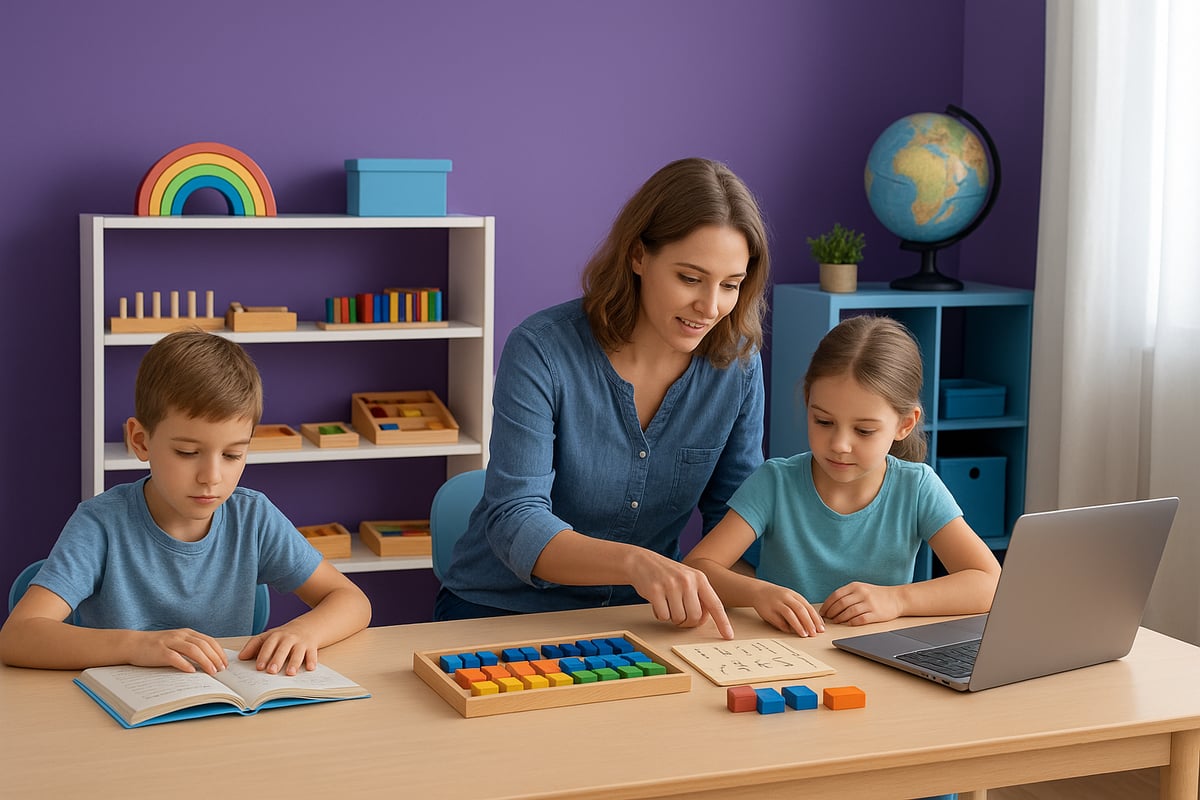
Step 1: Understanding Legal Requirements
The first step in answering “homeschool how does it work” is understanding your local laws. Each country, and often each state or region, sets its own regulations for homeschooling. In the United States, for example, some states require parents to file a notice of intent, maintain records, and participate in standardized testing or portfolio reviews. Others have minimal oversight.
Start by researching official government or education department websites to identify what is required in your area. Compliance is essential for legitimacy and smooth transitions, especially if your child might re-enter traditional schooling later. Make a checklist of all legal steps before you begin teaching.
Step 2: Choosing Your Homeschooling Approach
Once you understand the legal framework, the next question is homeschool how does it work for your family’s needs. There are several approaches, including Montessori, classical, unschooling, eclectic, and online models. Consider your child’s learning style, your teaching preferences, and available resources.
Reflect on your educational values. Do you want a structured environment or a flexible, student-led experience? Research each method, and talk with other homeschooling families to see what works for them. Selecting the right approach will set the tone for your homeschooling journey and support your long-term goals.
Step 3: Selecting or Creating a Curriculum
After choosing your approach, you’ll need to decide on curriculum materials. Homeschool how does it work when it comes to curriculum? Parents can purchase complete programs, use online platforms, or design their own plans. Some states require specific subjects, so factor those into your choices.
Consider accreditation, adaptability, and cost. Many families blend resources, using a mix of purchased and parent-created content. For hands-on learners, Montessori materials or project-based kits are popular. For those seeking structure, state-approved textbooks offer a clear roadmap. Evaluate what matches your goals and your child’s interests.
Step 4: Setting Up the Learning Environment
Setting up a dedicated space is crucial. Homeschool how does it work when your home becomes a classroom? Create an organized, inviting area with desks, shelves, manipulatives, and digital devices. The space should reflect your chosen approach—Montessori setups often have low shelves and accessible materials, while traditional styles may use desks and whiteboards.
Ensure the environment is comfortable and free from distractions. Good lighting, clear organization, and labeled supplies help children focus. Rotate materials to keep things fresh and engaging. The learning space you create will influence your child’s motivation and ability to work independently.
Step 5: Planning the Daily/Weekly Schedule
Consistency is key in homeschooling. Homeschool how does it work when structuring your days and weeks? Develop a flexible schedule that balances core subjects, electives, breaks, and family activities. Younger children may need shorter lessons and more movement, while older students benefit from longer, focused work periods.
Many parents find it helpful to review successful scheduling strategies, such as those found in the Establishing Homeschool Routines guide. Sample routines often include morning lessons, afternoon projects, and time for outdoor play. Adjust your schedule as needed to suit your family’s rhythm and your child’s energy levels.
Step 6: Teaching and Facilitating Learning
In homeschooling, parents wear many hats. Homeschool how does it work when you’re both teacher and mentor? Your role may shift between instructor, facilitator, and coach depending on the subject and your child’s independence. Use lesson plans, educational games, manipulatives, and online classes to enrich learning.
Encourage exploration and adapt lessons to your child’s pace. For science, you might set up experiments; for language arts, you can read together and discuss stories. Flexibility allows you to address strengths and challenges in real time, making education more effective and engaging.
Step 7: Tracking Progress and Assessment
Ongoing assessment is vital for accountability and growth. Homeschool how does it work when it comes to measuring learning? Methods include portfolios, standardized tests, project-based evaluations, and progress journals. Some regions require formal documentation for compliance.
Keep samples of work, test scores, and notes on achievements. Digital portfolios make it easy to organize and share progress. Regular reviews help you spot gaps early and celebrate milestones. This step ensures your child is on track and meeting educational goals.
Step 8: Connecting with Support Networks
No homeschooler is an island. Homeschool how does it work in terms of community? Join local homeschool groups, co-ops, and online forums for support, resources, and social opportunities. These networks offer group classes, field trips, and parent meetups.
Engaging with others enriches your child’s education and gives you access to shared wisdom. Support groups help with troubleshooting, curriculum recommendations, and emotional encouragement. Community is a cornerstone of successful homeschooling.
Step 9: Ongoing Review and Adaptation
Homeschooling is a dynamic process. Homeschool how does it work when circumstances change? Regularly review what’s effective and be open to adjustments. If a curriculum isn’t resonating or a schedule feels off, pivot to something better suited.
Solicit feedback from your child and observe their engagement. Some families move from traditional to eclectic models as needs evolve. Continuous adaptation ensures your homeschool remains responsive, enjoyable, and aligned with your child’s growth.
Socialization and Extracurricular Activities
Homeschool how does it work often starts with a big question about socialization. Many parents worry their children might miss out on friendships or group experiences. In reality, homeschoolers have diverse options for building social skills and making connections. National statistics show that 98% of homeschool students participate in at least one outside activity, debunking the myth of isolation. For more insights, see this comparative analysis of homeschooling and public schooling statistics, which highlights how homeschoolers engage socially and academically.
Community and Support Groups
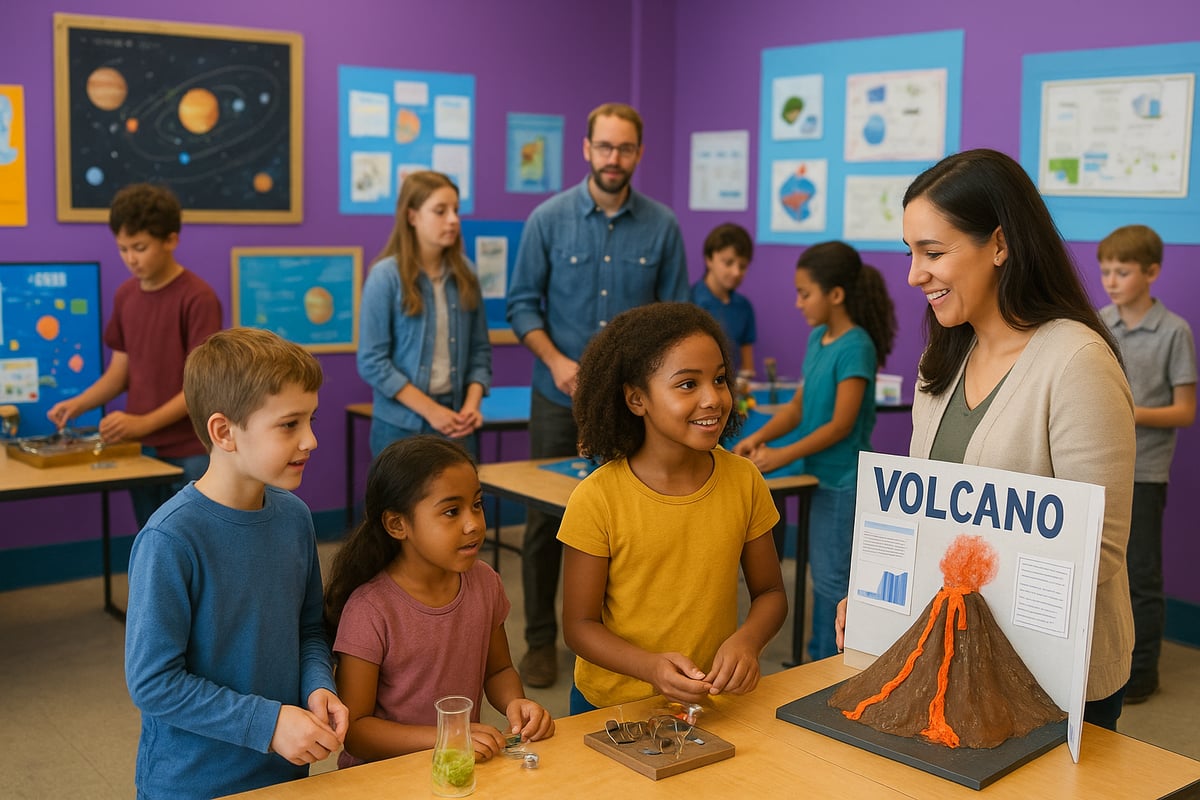
Another key aspect in understanding homeschool how does it work is the role of community. Local and online homeschool groups offer vital support for families. Weekly meet-ups, field trips, and collaborative projects allow children to form friendships and parents to share resources. These communities provide a platform for group learning, problem-solving, and peer support. Whether families join a neighborhood co-op or participate in virtual clubs, these networks help foster a sense of belonging and shared purpose.
Extracurriculars and Special Interests
When exploring homeschool how does it work, extracurricular activities play a major role. Homeschoolers have access to a wide range of options, from art and music to sports and STEM clubs. Many organizations, such as libraries, museums, and local sports leagues, welcome homeschooled students. For example, a child who loves music might join a community orchestra, while another interested in technology could participate in a coding club. This flexibility helps nurture individual talents and passions.
Real-World Learning and Volunteering
A unique benefit of homeschool how does it work is the emphasis on real-world learning. Homeschoolers often engage in internships, volunteering, or entrepreneurship. High school students may start small businesses, contribute at animal shelters, or assist in local community projects. These experiences help develop practical skills and foster a sense of responsibility. By integrating academics with hands-on opportunities, students gain valuable insights beyond traditional classroom learning.
Social Skills Development
Social skills grow naturally in the homeschool how does it work environment. Homeschooling allows for mixed-age interactions, where siblings and peers learn together. Older children often mentor younger ones, building empathy and leadership. Group projects and community activities encourage cooperation and communication. These varied experiences not only support academic growth but also nurture emotional intelligence and maturity.
Benefits and Challenges of Homeschooling
Homeschool how does it work is a question many families ask when weighing the pros and cons. Exploring both the advantages and obstacles helps parents make informed decisions for their children’s education.
Key Benefits for Families and Children
Homeschool how does it work reveals several compelling benefits for modern families. The most significant advantage is personalized learning. Children progress at their own pace and focus on topics that spark their curiosity.
Families enjoy flexible schedules, which allow for more travel, family time, and real-world learning. Homeschooling often strengthens family bonds, as parents and children share more daily experiences. Parents can create a safe, nurturing environment, shaping both academic and social growth.
A recent report highlights that homeschoolers benefit from tailored instruction, flexible routines, and stronger relationships. These factors often lead to increased motivation and improved academic outcomes.
| Benefit | Description |
|---|---|
| Personalized Learning | Adapt pace and topics to each child |
| Flexible Schedules | More control over daily routines |
| Stronger Family Ties | Increased time spent together |
| Safe Environment | Control over influences and social setting |
Common Challenges and Solutions
Understanding homeschool how does it work also means recognizing the challenges involved. Time management is a major concern for many parents who juggle teaching, work, and home responsibilities. The financial commitment can be significant, especially if one parent reduces work hours or leaves a job.
Resource access and socialization require active planning. Ensuring children have diverse social interactions and high-quality materials takes effort. Navigating legal requirements and keeping thorough records can feel overwhelming.
To address these concerns, families are encouraged to seek support. Many find reassurance in resources like Overcoming Homeschool Anxiety, which offers practical advice and real-life stories from experienced homeschoolers. Connecting with other parents and joining co-ops can also provide valuable encouragement.
Addressing Educational Gaps and Accountability
A common question about homeschool how does it work is how parents ensure academic rigor. Strategies include regular assessments, standardized tests, and portfolio reviews. Many families join co-ops or use accredited online programs to fill educational gaps and maintain accountability.
Parents often supplement their teaching with local tutors or virtual classes for advanced subjects. This flexibility allows children to pursue interests at a deeper level while meeting legal requirements. Tracking progress helps both parents and students see growth and identify areas needing attention.
Families who prioritize regular feedback and community involvement often find their children thrive academically and socially.
Parent and Student Perspectives
Hearing real experiences is crucial for understanding homeschool how does it work in daily life. Many parents report that transitioning from traditional schools led to improved academic performance and greater emotional well-being for their children.
Students often express appreciation for the freedom to explore subjects deeply and at their own pace. Families share stories of overcoming initial uncertainty and building confidence through the supportive homeschool community.
These perspectives highlight that success in homeschooling comes from adaptability, ongoing reflection, and a willingness to learn together. Personal stories inspire new homeschoolers and demonstrate the rewarding outcomes possible with commitment and support.
Practical Tips and Resources for Homeschool Success
Homeschool how does it work is a question many parents ask, especially when just starting out. Achieving success in homeschooling requires clear strategies, reliable resources, and a supportive mindset. Here are practical tips to help families thrive in their homeschooling journey.
Getting Started: First Steps for New Homeschoolers
Begin your homeschool how does it work journey by researching local legal requirements and connecting with experienced homeschool families. Join online forums, attend introductory webinars, and gather information from trusted sources.
Start small with a simple daily routine. Gradually add new subjects or activities as your confidence grows. Setting clear, realistic expectations for your first year will make the process smoother and less overwhelming.
Organizing Your Homeschool Space and Materials
A dedicated learning space is key to homeschool how does it work success. Keep supplies accessible and organized using labeled bins, shelves, and baskets. Rotate materials to maintain interest and minimize clutter.
For those interested in Montessori methods, explore the Montessori Homeschooling Guide for tips on creating a child-friendly environment. Well-chosen furniture and hands-on materials can make learning engaging and independent.
Time Management and Self-Care for Parents
Balancing teaching, work, and home life is a major part of homeschool how does it work for families. Use weekly planning sessions to map out lessons and activities. Block out time for breaks, self-care, and family activities.
Prevent burnout by sharing responsibilities when possible. Connect with other parents for support, and remember that flexibility is a strength of homeschooling. Regular self-care ensures you can guide your child effectively.
Leveraging Technology and Online Resources
Technology is a powerful ally in homeschool how does it work routines. Use educational apps, virtual labs, and online classes to supplement lessons. Websites offer free worksheets, interactive games, and even virtual field trips.
Create a list of trusted online resources for each subject. Rotate digital tools to keep learning fresh and engaging. Embracing technology helps you tailor instruction and track progress efficiently.
Connecting with the Homeschool Community
Building relationships with other families enhances the homeschool how does it work experience. Join local co-ops, attend group classes, and participate in field trips. Online communities offer networking, advice, and shared resources.
Regular meetups and collaborative projects foster motivation and accountability. Engaging with a supportive community helps children develop social skills and build lasting friendships.
Special Needs and Gifted Learners
Homeschool how does it work for children with unique learning needs? Customization is key. Adapt the curriculum to your child’s abilities, using specialized resources and therapies as needed.
Reach out to professionals for guidance. Enrichment programs and tailored lesson plans help gifted learners stay challenged. Homeschooling allows each child to progress at their own pace.
Financial Planning and Budgeting
Careful budgeting is essential for homeschool how does it work sustainability. Estimate the costs of curriculum, materials, activities, and potential income changes.
Seek out free resources, purchase used materials, and apply for scholarships when available. Many organizations offer discounts or payment plans, making homeschooling more affordable for diverse families.
Continuing Education and Professional Development for Parents
Investing in your own learning is vital for homeschool how does it work effectiveness. Attend workshops, take online courses, and read educational books to enhance your teaching skills.
Consider professional development in areas like Montessori methods or special education. Staying informed and inspired benefits both you and your child throughout your homeschooling journey.
As you explore the ins and outs of homeschooling in 2026, it’s natural to wonder what a well structured, authentic curriculum really looks like day to day. The right resources can make all the difference in creating a personalized, effective learning environment for your child. If you’re curious about how Montessori methods can fit into your homeschool journey, I encourage you to take the next step and see firsthand what a thoughtfully designed curriculum offers. You deserve practical support that empowers you and your child to thrive—start by taking a look at our materials and Download our Free Curriculum Sample Now.


