
Art Curriculum Homeschool Guide: Creative Learning 2026
Creative education is more vital than ever as our world continues to change and innovate. For families seeking flexibility and meaningful learning, an art curriculum homeschool approach opens doors to both personal growth and academic achievement.
This guide is designed to be your roadmap for building an engaging, adaptable, and effective art curriculum homeschool plan for 2026. We’ll explore the latest educational trends, core curriculum elements, practical step-by-step planning, age-specific strategies, top resource recommendations, and proven assessment methods.
Unlock your child’s creative potential and set the stage for a lifelong love of the arts with a curriculum tailored to your homeschool journey.
The Evolving Role of Art in Homeschool Education
As we look toward 2026, the role of art in the art curriculum homeschool landscape is transforming rapidly. Creative education is no longer an optional enrichment, but a vital element in preparing children for a complex, interconnected world.
Understanding Why Art Matters in 2026
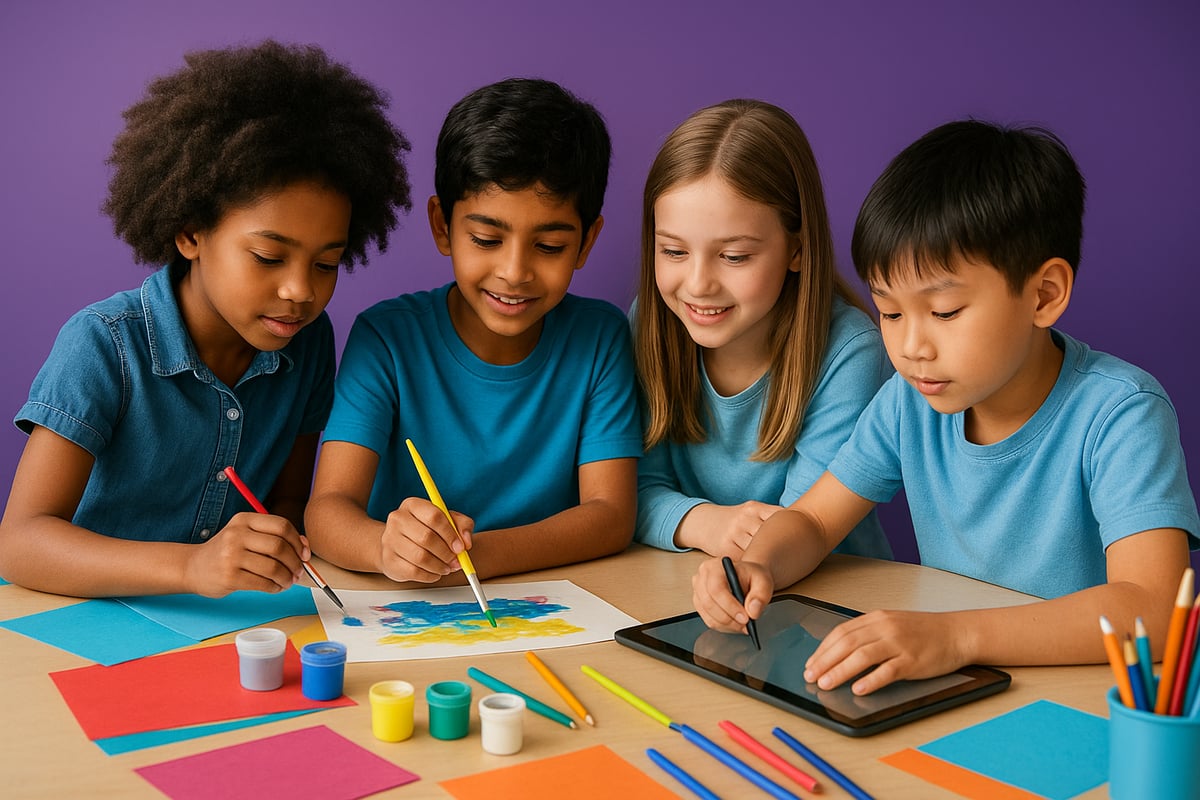
The integration of art into STEAM (Science, Technology, Engineering, Art, Math) education has reshaped the art curriculum homeschool approach. In 2026, families are increasingly adopting STEAM because it blends creativity with analytical skills, equipping students for real world challenges.
Research consistently shows that art enhances cognitive development, emotional intelligence, and social skills. Creative activities foster neural growth, improve memory, and support self regulation. When art is woven into learning, children tend to show higher academic achievement and greater motivation.
A recent Impact of Integrated STEAM Education on Arts Education review highlights that students exposed to art within STEAM programs display increased problem solving skills and critical thinking. These students are also more adaptable, able to express themselves confidently, and develop empathy through exposure to diverse cultures and artistic traditions.
Educators and parents report that art in the art curriculum homeschool context encourages open mindedness and curiosity. By exploring various artistic movements and cultural expressions, children gain a deeper appreciation for global perspectives. Art becomes a bridge that connects academic concepts to real life, making learning more meaningful.
Trends Shaping Homeschool Art Curriculums
Emerging trends are redefining what an effective art curriculum homeschool program looks like. Digital art and technology are now indispensable, with virtual museums, interactive apps, and online tutorials making high quality resources accessible to families everywhere.
Customization is another hallmark of current curriculums. Homeschoolers can now tailor lessons to individual interests, learning styles, and family schedules. This flexibility allows for both structured activities and open ended creative exploration.
Interdisciplinary projects are on the rise. Many art curriculum homeschool programs combine art with history, science, or literature, offering themed units that engage multiple intelligences. For example, students might create sculptures inspired by ancient civilizations or digital illustrations based on classic novels.
Recent homeschool surveys indicate that parents value programs offering multi age plans, video lessons, and interactive content. Leading competitors provide art kits with materials, step by step video instructions, and educator support, ensuring families of all backgrounds can participate.
Below is a summary of current trends in homeschool art education:
| Trend | Description |
|---|---|
| Digital Art Integration | Use of tablets, apps, and online galleries |
| Customization & Flexibility | Tailored lessons for diverse learners |
| Interdisciplinary Projects | Art linked to other subjects |
| Virtual Experiences | Online museums and global art tours |
| Multi Age, Multi Level Plans | Adaptable content for families |
The art curriculum homeschool environment in 2026 is dynamic, inclusive, and designed to nurture lifelong creativity.
Core Components of a Successful Homeschool Art Curriculum
A well-rounded art curriculum homeschool program blends foundational knowledge, hands-on experiences, and opportunities for creative exploration. The right core components ensure students receive a meaningful, flexible, and lasting art education at home.
Essential Elements Every Curriculum Needs
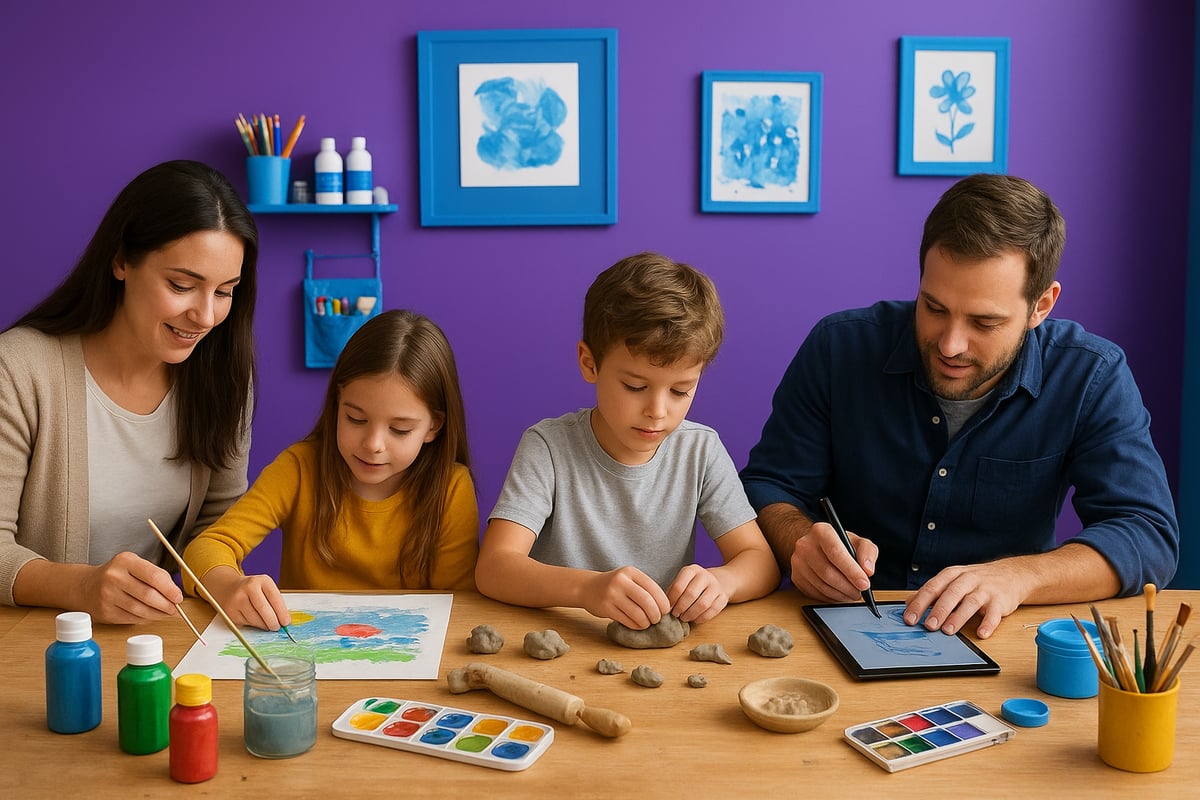
Every successful art curriculum homeschool program is built on a set of core elements that foster growth and creativity across age groups. At its heart, art history and appreciation introduce students to major movements, influential artists, and diverse cultural contexts. This foundation helps children connect with global perspectives and understand the evolution of artistic expression.
Hands-on creation is equally vital. Drawing, painting, sculpture, mixed media, and digital art experiences allow students to experiment and develop technical skills. Many families also incorporate music and performing arts, weaving in music appreciation, rhythm, and basic performance to enrich the learning journey.
Skill progression is key. Lessons should be scaffolded from beginner to advanced techniques, enabling children to build confidence and mastery at their own pace. Assessment and feedback methods, such as progress trackers and portfolio reviews, help parents monitor development and encourage ongoing growth.
Flexibility remains essential for a thriving art curriculum homeschool approach. Adapting lessons to fit family schedules and learning styles ensures each child remains engaged and inspired. Many high-quality curriculums, like the Montessori homeschool art curriculum, offer multi-level plans, unit studies, and support for a variety of homeschooling philosophies.
To summarize, the table below highlights essential components and sample features from leading programs:
| Core Component | Example Features |
|---|---|
| Art History & Appreciation | Study of artists, cultural themes |
| Hands-on Creation | Drawing, painting, sculpture, digital |
| Music & Performing Arts | Basic music, movement, rhythm |
| Skill Progression | Scaffolded lessons, technique growth |
| Assessment & Feedback | Portfolios, progress trackers |
| Flexibility | Multi-age plans, adaptable units |
A thoughtful mix of these elements ensures any art curriculum homeschool plan is both comprehensive and adaptable.
Balancing Structure and Creativity
Striking the right balance between structure and creativity is essential in any art curriculum homeschool program. Open-ended projects encourage imaginative thinking, allowing students to explore materials and ideas beyond rigid instructions. In contrast, step-by-step lessons provide guidance and help children master new skills methodically.
Encouraging student-led exploration is powerful. When children choose topics or mediums that interest them, their engagement and creativity soar. Families can incorporate both structured lessons and dedicated free creation time each week, giving students space to experiment while also building foundational skills.
Educators and parents alike emphasize the value of nurturing not just technical ability, but also a lifelong appreciation for the arts. By allowing room for mistakes, celebrating originality, and providing positive feedback, families help students develop creative confidence.
Many successful art curriculum homeschool programs blend these approaches. For example, some offer unit studies where students research an artist, create original works inspired by their style, and then reflect on the process in a journal or digital gallery. Others provide flexible lesson plans that adapt to different ages and interests within a single household.
Ultimately, a balanced approach ensures that an art curriculum homeschool journey is both structured enough to promote growth and open enough to inspire true creativity.
Step-by-Step Guide to Planning Your Homeschool Art Curriculum
Designing a successful art curriculum homeschool plan requires more than just gathering supplies. It involves clear vision, intentional choices, and ongoing reflection. The following step-by-step guide will walk you through the process, ensuring your curriculum is engaging, flexible, and effective for 2026.

Step 1: Define Your Goals and Philosophy
Start by clarifying what you want your art curriculum homeschool experience to achieve. Are you aiming to nurture creative thinking, teach art history, or help your child build a portfolio? Setting clear goals will guide all later choices.
Decide on your educational philosophy. Will you follow Montessori, Charlotte Mason, classical, or an eclectic approach? Each style shapes how art is taught. For a deeper look at different homeschooling philosophies, visit the Homeschooling styles guide.
Consider these questions:
- Do you prefer structured lessons or interest-led exploration?
- How important is flexibility in your schedule?
- What role should art play compared to other subjects?
Documenting your philosophy will help anchor your art curriculum homeschool plan and ensure it aligns with your family's values.
Step 2: Select Age-Appropriate Content and Materials
Choosing the right content is essential for a thriving art curriculum homeschool. Match projects and resources to your child's developmental stage, ensuring lessons are both challenging and enjoyable.
For elementary ages, focus on exploration and foundational skills with simple supplies. Middle schoolers benefit from more technique and context, while high school students need advanced projects and portfolio work.
Sample materials by age group:
- Elementary: Crayons, watercolors, clay, picture books
- Middle School: Acrylics, sketchbooks, digital art apps
- High School: Canvases, advanced software, research texts
Review competitor art boxes and curriculum kits to find options that fit your child's needs and your teaching style.
Step 3: Build a Yearly and Weekly Plan
A well-structured art curriculum homeschool schedule brings consistency without sacrificing creativity. Decide if you want a traditional 32–36 week plan or something more flexible.
Sample weekly structure:
| Week | Art Appreciation | Hands-on Project | Reflection |
|---|---|---|---|
| 1 | Impressionism | Watercolor Trees | Art Journal |
| 2 | Sculpture Basics | Clay Animals | Group Share |
Integrate art into daily or weekly routines. Some families dedicate a set hour each week, while others weave art into multiple subjects. Leading homeschool art programs often provide adaptable schedules, so use them as inspiration.
Step 4: Integrate Cross-Disciplinary Learning
Expand the impact of your art curriculum homeschool by connecting art to other subjects. Interdisciplinary projects deepen understanding and spark excitement.
Ideas include:
- Creating art inspired by historical eras or scientific discoveries
- Illustrating scenes from literature
- Designing music album covers after studying composers
Unit studies and themed art boxes can help blend art with history, science, or music, making learning holistic and memorable.
Step 5: Leverage Digital Tools and Online Resources
Modern art curriculum homeschool programs thrive on digital innovation. Virtual museums, video tutorials, and interactive apps open new creative doors.
Top digital resources:
- Virtual museum tours for art history
- Step-by-step video lessons for technique
- Digital art platforms for hands-on creation
Recent data shows a growing number of homeschoolers use online platforms for art education. Embrace technology to keep your curriculum current and engaging for all ages.
Step 6: Encourage Reflection and Assessment
Assessment in art curriculum homeschool settings should foster growth, not stress. Use portfolios, self-assessment checklists, or regular feedback sessions to track progress.
Ideas for reflection:
- Create a digital or physical art portfolio
- Host family art shows to celebrate achievements
- Encourage students to journal about their creative process
Notebooking, digital galleries, and progress trackers help students appreciate their journey and build confidence as artists.
Age-Based Approaches to Homeschool Art Instruction
Designing an effective art curriculum homeschool plan requires careful consideration of each child’s developmental stage. By tailoring instruction to specific age groups, families ensure creative growth, skill mastery, and a lifelong appreciation for the arts.
Elementary (Ages 5–10)
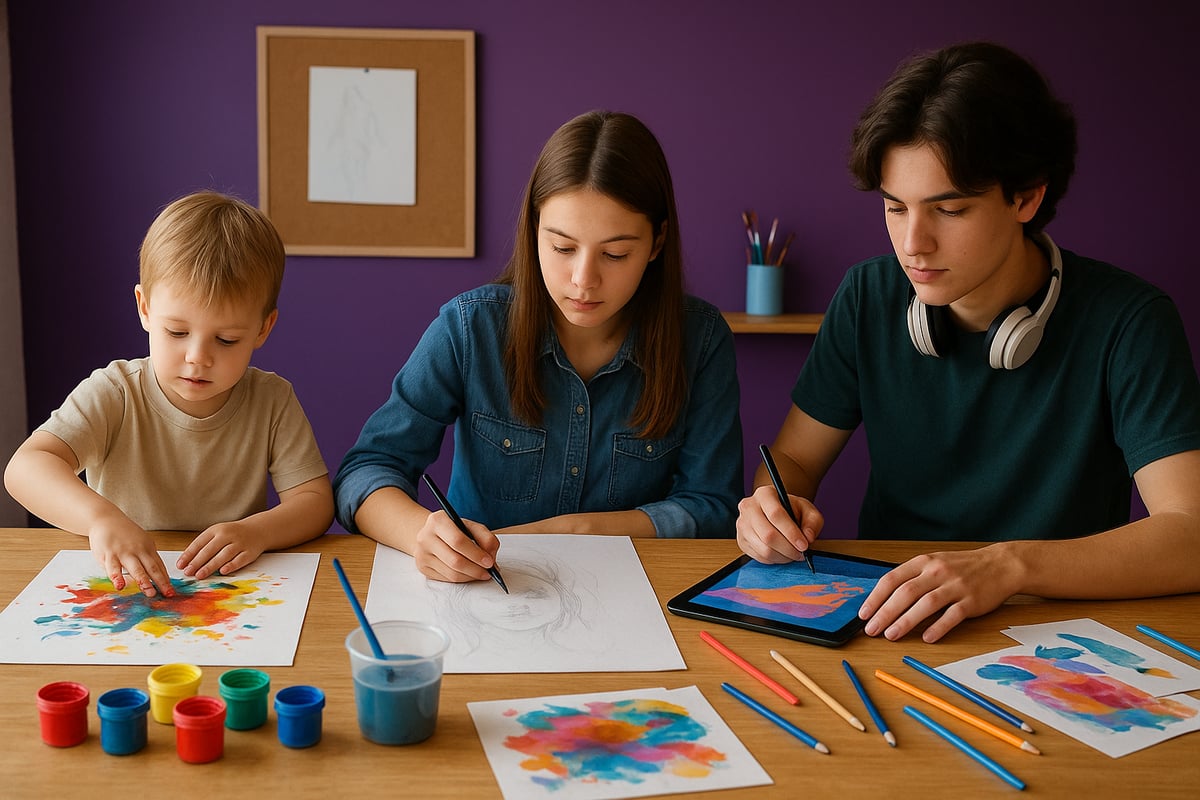
At the elementary level, an art curriculum homeschool approach emphasizes joyful exploration. Children in this age group thrive with hands-on, sensory-rich activities, focusing on foundational skills through play and experimentation.
Strategies include picture study with famous artworks, simple coloring exercises, and open-ended projects using varied materials. Incorporating music, movement, and storytelling brings art to life and keeps young learners engaged.
A typical schedule recommends about one hour per week, split between art appreciation and creative time. For example, Monday could be devoted to learning about a new artist, while Friday is reserved for painting or collage. Many families find that the flexibility of an art curriculum homeschool program allows for multiple shorter sessions throughout the week, adapting to a child’s energy and interests.
Popular activities:
- Nature-inspired art walks
- Clay modeling and sculpture
- Collaborative family murals
This stage is about nurturing curiosity, building confidence, and introducing basic techniques in a fun, supportive environment.
Middle School (Ages 11–14)
Middle school marks a period of rapid skill development and deeper personal expression. An art curriculum homeschool plan for this age focuses on refining techniques, exploring historical context, and encouraging individuality.
Students benefit from exposure to a variety of mediums, including watercolor, clay, and digital art tools. Interdisciplinary projects, such as combining art with science or history, help connect creative skills to broader learning. For example, creating a timeline of artistic movements alongside world events enhances understanding and retention.
A logic stage plan often covers art chronologically, providing structure while allowing room for choice and exploration. At this age, learners are ready for more complex assignments, like designing posters or experimenting with animation. Integrating visual arts into STEAM projects is especially valuable, as highlighted in Enriching STEAM Education with Visual Art: Educational Benefits and Trends.
Weekly plans may include:
- Two focused technique sessions
- One interdisciplinary project
- Regular self-reflection and critique
By middle school, the art curriculum homeschool approach encourages students to develop a personal style and connect art to their everyday lives.
High School (Ages 15–18)
In high school, the art curriculum homeschool strategy shifts toward advanced study, portfolio building, and critical analysis. Many states require at least one visual art credit for graduation, making structured planning essential.
Students engage in in-depth appreciation by reading about artists, writing reflections, and researching art history. Creative work becomes more specialized, with opportunities for independent study, digital art, and themed projects. Four-year cycles that cover major movements and techniques help ensure comprehensive coverage.
Typical high school plans feature:
- Portfolio development for college or career
- Transcript-ready credit documentation
- Participation in competitions or exhibitions
Assessment methods include digital galleries, artist statements, and group critiques. The art curriculum homeschool approach at this stage empowers teens to pursue artistic passions, prepare for advanced study, and express unique perspectives through their work.
Finding and Choosing the Best Homeschool Art Resources
Selecting the right art curriculum homeschool resources can feel overwhelming with so many choices available. The right fit balances creativity, structure, and the needs of your family. Understanding the key types of resources makes the selection process easier and more effective.
Types of Art Curriculum and Kits Available
Today, families exploring an art curriculum homeschool program have access to more options than ever before. Boxed curriculums provide a comprehensive package, often including lesson plans, materials, and step-by-step instructions. Digital subscriptions offer flexibility, with on-demand video lessons, interactive activities, and downloadable resources. For those who prefer customization, DIY lesson plans allow parents to create a unique experience using a mix of books, online content, and hands-on projects.
Here's a quick comparison:
| Curriculum Type | Features | Best For |
|---|---|---|
| Boxed Kits | Materials included, structured lessons | Beginners, all-in-one approach |
| Digital Subscriptions | Video lessons, interactive content | Tech-savvy, flexible families |
| DIY Plans | Customizable, resource mix | Creative, eclectic approaches |
Many art curriculum homeschool kits now include support from experienced educators, access to online communities, and built-in assessments. This variety ensures that every learning style and family schedule can be accommodated.
Evaluating Quality and Fit for Your Family
Choosing the best art curriculum homeschool resource starts by considering your family's goals, educational philosophy, and your children's ages. Look for programs that align with your preferred teaching style, whether it's classical, eclectic, or Montessori-inspired. Flexibility is key, especially for families who want to adapt lessons to different ages or learning needs.
Key criteria for evaluation include:
- Age-appropriateness of lessons and materials
- Clarity and structure of lesson plans
- Flexibility to adapt or skip units
- Support resources such as tutorials, community access, or consulting
- Parent reviews and ratings for insight on usability and engagement
For families interested in a creative and flexible approach, exploring Montessori homeschooling foundations can provide valuable guidance for selecting or adapting an art curriculum homeschool plan. The right resource should inspire both parent and child, making art a joyful part of your learning journey.
Supplementary Resources
Beyond core products, a robust art curriculum homeschool plan often includes a mix of supplementary resources. Online museums provide virtual tours and interactive exhibits, bringing world-class art into your home. Free video tutorials and printable worksheets offer extra practice and inspiration for all ages.
Community resources are also valuable. Local art classes, homeschool co-ops, and virtual clubs give students a chance to create and share with peers. Many popular art curriculum homeschool programs connect families to hundreds of video lessons and curated appreciation resources for music and visual arts.
Combining these supplementary tools with your main curriculum keeps learning fresh, engaging, and well-rounded.
Assessing Progress and Fostering Lifelong Creativity
Assessing progress in your art curriculum homeschool plan is more than checking off completed projects. It is about nurturing each child's creative journey, building confidence, and ensuring long-term growth. A well-designed assessment approach empowers students to see their own development and inspires a lifelong appreciation for the arts.
Methods for Tracking Growth and Engagement
Effective assessment in an art curriculum homeschool environment should prioritize both tangible outcomes and personal growth. Portfolios are a powerful tool, allowing students to collect and reflect on their work over time. These can include drawings, paintings, photographs of sculptures, and digital art pieces. Notebooking pages, coloring sheets, and digital galleries provide additional ways to document progress.
Rubrics and self-assessment checklists can help students identify skills mastered and areas to improve. Hosting family or group art shows offers a celebratory way to share achievements and build presentation skills. According to Exploring the Impact of STEAM and Connected Learning on Digital Age Skills, integrating reflective assessment in creative subjects supports critical thinking and digital literacy—key competencies for homeschoolers in 2026.
Here is a comparison of assessment methods in art curriculum homeschool settings:
| Assessment Method | Benefits | Example Use |
|---|---|---|
| Portfolio Creation | Tracks growth, showcases variety | End-of-year review |
| Rubrics | Clear skill benchmarks, self-check | Weekly project evaluation |
| Art Shows | Builds confidence, community sharing | Family art night |
| Digital Galleries | Easy sharing, integrates technology | Online family albums |
Regularly using these methods within your art curriculum homeschool will help you celebrate every milestone and foster a sense of accomplishment.
Encouraging Reflection and Creative Confidence
Building creative confidence is essential for every art curriculum homeschool program. Positive feedback and a growth mindset encourage students to embrace challenges and learn from mistakes. Journaling about art experiences, writing artist statements, or sharing work in virtual clubs can deepen self-awareness.
Research shows that reflective practices, such as keeping a creative journal, directly boost creativity and self-esteem. These habits help children value their unique artistic voice and develop resilience. By embedding reflection into your art curriculum homeschool, you nurture both skill and character.
Planning for Advanced Study or Artistic Careers
As students grow, an art curriculum homeschool path should open doors for advanced study and future opportunities. Identify ways to earn high school credits, enter competitions, or participate in exhibitions. Building a professional portfolio, using transcript-ready plans, or seeking mentorship can support college or career aspirations.
A thoughtful art curriculum homeschool approach ensures every learner is prepared for creative success, whether as a hobbyist, student, or future professional.
As you reflect on the creative possibilities and practical strategies we’ve explored for homeschooling art in 2026, you might be wondering how to bring it all together in your own home. That’s where Multisori’s expertly crafted Montessori curriculum can make a real difference—giving you the structure, inspiration, and flexibility you need to nurture your child’s creativity. If you’re ready to see what a thoughtfully designed art program could look like for your family, I encourage you to Download our Free Curriculum Sample Now. It’s a great first step toward building a vibrant, art-filled homeschool experience.


