
Shop Homeschool Curriculum Guide: Your 2026 Success Path
Ready to unlock your child’s full potential at home? More families than ever are choosing to shop homeschool curriculum, driven by the desire for flexibility and personalized learning to meet evolving educational needs.
Homeschooling offers unique benefits, from tailored instruction to stronger family bonds. With a strategic approach, shopping for the right curriculum can transform your child’s daily learning into a highly engaging, successful experience.
This guide provides a step-by-step path to shop homeschool curriculum with confidence. You will learn how to set clear goals, evaluate curriculum types, compare top providers, budget wisely, and plan for a thriving homeschool year.
Step 1: Define Your Homeschooling Goals and Requirements
Choosing to shop homeschool curriculum is a pivotal first step for a successful homeschool journey. Before you start browsing, take time to define your goals and requirements. This ensures every resource you select will support your child’s growth and your family’s unique needs.
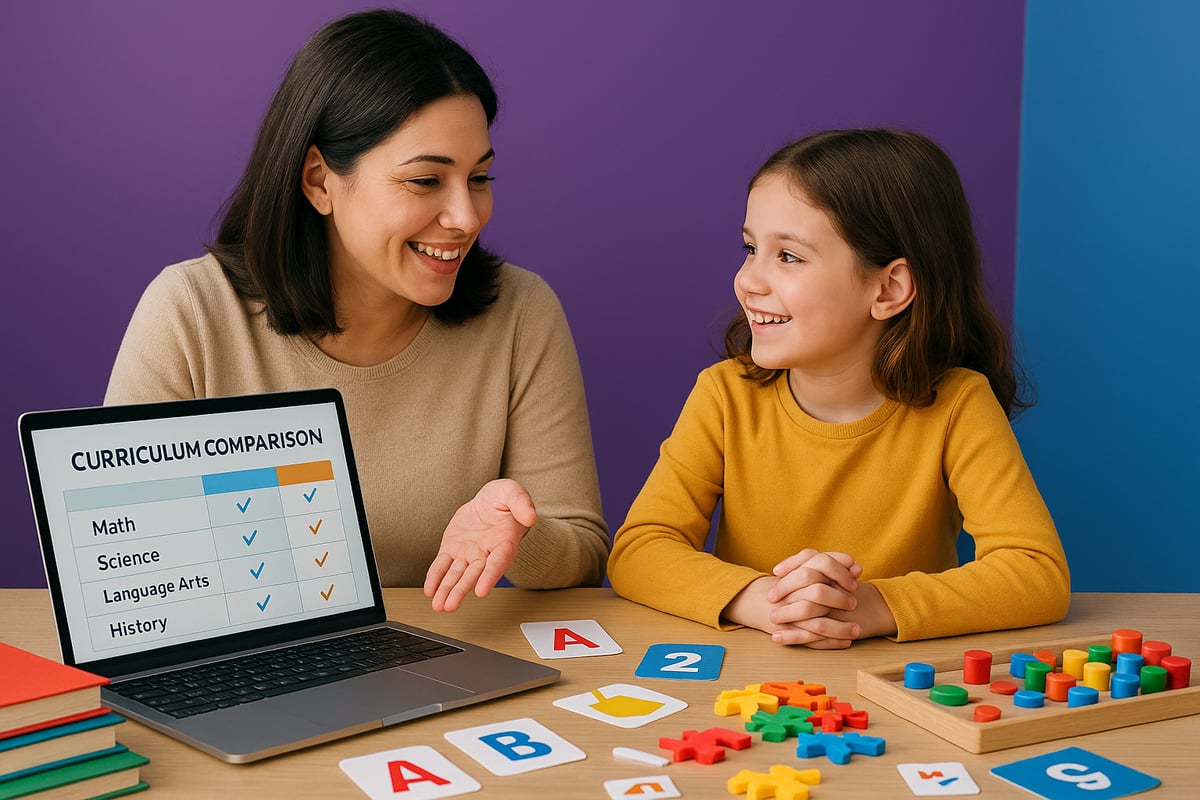
Assess Your Child’s Learning Style and Needs
Understanding your child’s learning style is foundational when you shop homeschool curriculum. Many children thrive with visual, auditory, or kinesthetic approaches, and recognizing these tendencies can help you filter options. For example, a kinesthetic learner may benefit from project-based or hands-on programs, while a visual learner might excel with colorful charts and videos.
Consider your child’s age, grade level, and developmental stage. Younger children often need tactile engagement, while older students may prefer discussion or independent research. If your child is gifted, has special needs, or is twice-exceptional, look for resources tailored to those profiles.
To dive deeper into learning styles and curriculum selection, explore Homeschooling styles and curriculum choices. This can guide you to match your child’s strengths with the right resources.
Set Academic and Personal Growth Objectives
When you shop homeschool curriculum, outline both academic and personal growth goals. Start with core subjects like math, language arts, science, and history, but do not overlook electives such as art, music, or coding. Life skills and social-emotional learning are equally vital for holistic development.
Align your objectives with state or national homeschooling laws. Some regions require specific subjects or assessments, so check regulations before making choices. Setting SMART goals, like improving reading proficiency or exploring STEM topics, provides clear benchmarks and keeps your family on track.
Personal growth objectives can include character development, time management, or collaborative projects. These goals help your child build confidence and independence.
Determine Parental Involvement and Teaching Preferences
As you shop homeschool curriculum, reflect on your availability and teaching style. Will you be homeschooling full-time or balancing other commitments? This decision impacts your curriculum options, as some programs require more hands-on instruction while others are self-guided or online.
Consider your own educational background and comfort with different subjects. Parents with limited time may prefer digital or independent study resources. Decide if you want a structured, semi-structured, or unschooling approach, as each has unique planning and teaching demands.
For example, structured curricula offer clear schedules, while unschooling allows flexibility and child-led exploration. Matching your preferences with the curriculum ensures a smoother year.
Identify Non-Negotiables and Flexibilities
Every family has non-negotiable requirements when they shop homeschool curriculum. Common must-haves include accreditation, secular or faith-based content, and assessment tools for tracking progress. Make a list of features you cannot compromise on, such as alignment with college admissions or specific educational philosophies.
Flexibility is also important. If your family travels often or has multiple children at different levels, look for digital or portable curriculum options. Many programs now offer modular content, allowing you to adapt lessons to your schedule and lifestyle.
Balancing must-haves with flexible solutions creates a sustainable and responsive learning environment.
Gather Input from Family and Support Network
Involving your family in the decision-making process makes shopping for homeschool curriculum more effective. Ask your children about their interests and learning preferences to boost engagement and motivation. Their input can help you select electives or enrichment materials that spark curiosity.
Consult with local homeschool groups or online communities for real-life feedback. Many parents share reviews and experiences in forums or on social media, which can highlight strengths and challenges of popular programs. This network offers practical advice and can help you avoid common pitfalls.
By gathering diverse perspectives, you will feel more confident as you shop homeschool curriculum and make final choices.
Step 2: Explore Homeschool Curriculum Types and Formats
Choosing the right curriculum style is the foundation of a successful homeschool journey. As you shop homeschool curriculum, understanding the different approaches and formats will help you tailor your choices to your child's unique needs. Let’s explore the most common types and what sets them apart.

Traditional vs. Alternative Curriculum Approaches
When you shop homeschool curriculum, you will encounter both traditional and alternative teaching philosophies. Classical, Charlotte Mason, and Montessori are popular choices, each offering a distinct structure and learning experience. Classical focuses on rigorous academics and logic, Charlotte Mason encourages literature and nature studies, while Montessori emphasizes hands-on, self-directed learning.
For families interested in authentic Montessori resources, the Montessori homeschool curriculum shop provides comprehensive materials designed for home use. Unit studies and unschooling approaches offer even more flexibility, allowing children to learn through exploration and real-life projects.
Online, Print, and Hybrid Curriculum Options
As you shop homeschool curriculum, consider the format that best fits your family's lifestyle. Online curricula offer interactive lessons, automatic grading, and easy access from anywhere. Print-based programs provide tactile engagement and reduce screen time, which can be beneficial for younger learners.
Hybrid options combine the best of both, blending digital resources with printed materials. This adaptability ensures that families can choose a model that matches their schedule and preferences, making it easier to create a balanced learning environment.
All-in-One vs. Subject-Specific Programs
Deciding between all-in-one packages and subject-specific resources is another important step as you shop homeschool curriculum. All-in-one programs bundle every core subject and elective into a single package, streamlining planning and ensuring consistency. These are ideal for new homeschoolers or those who want a straightforward approach.
Subject-specific programs, on the other hand, allow for customization. Families can select advanced science, unique art, or specialized language courses to enrich their child’s education. This flexibility supports both academic rigor and personal interests.
Secular vs. Faith-Based Curricula
Worldview alignment is a key factor when selecting curriculum. Secular resources focus on non-religious content, while faith-based options integrate spiritual perspectives throughout lessons. In recent years, secular curriculum demand has grown by 20 percent, reflecting a shift in family preferences and values.
Understanding your priorities will help you shop homeschool curriculum that aligns with your beliefs and educational goals. Always review sample lessons to ensure the content matches your expectations for both academic and moral development.
Supplemental Resources and Enrichment Materials
Enhancing your core curriculum with supplements is essential as you shop homeschool curriculum. Manipulatives, science kits, educational games, and extracurricular programs foster creativity and critical thinking. For example, hands-on science experiments or art workshops can transform abstract concepts into memorable experiences.
Look for enrichment materials that align with your child’s interests and learning style. Many families join local clubs or online communities to discover new resources and ideas for well-rounded development.
Accreditation, Standards, and Assessment Tools
Accreditation and assessment options are important considerations, especially for college-bound students. Accredited curricula often provide transcripts and standardized testing, ensuring your child’s education meets recognized standards.
When you shop homeschool curriculum, review each provider’s credentials and available assessment tools. This step helps maintain academic quality and prepares your child for future educational opportunities.
Step 3: Compare and Evaluate Top Homeschool Curriculum Providers
Selecting the right curriculum provider is critical when you shop homeschool curriculum. With so many options available, a structured evaluation process helps ensure you make the best choice for your family. Let us break down the key steps to compare and evaluate top providers for 2026.

Researching Reputable Curriculum Brands
Begin your journey to shop homeschool curriculum by researching established brands. Look for providers with a proven track record, positive reviews, and educational philosophies that align with your values.
Check how long providers have been in business. Review their mission statements and curriculum frameworks. Reputable brands often have comprehensive support systems and clear learning outcomes.
Use the table below to compare key factors:
| Provider | Years in Business | Philosophy | Support Options |
|---|---|---|---|
| ExampleBrand A | 15 | Classical | Email, Live Chat |
| ExampleBrand B | 10 | Montessori | Coaching, Forums |
| ExampleBrand C | 8 | Secular STEM | Phone, Webinars |
A detailed comparison will help narrow your choices when you shop homeschool curriculum.
Reading Reviews and Seeking Recommendations
Peer feedback is invaluable as you shop homeschool curriculum. Join local homeschool groups, online forums, and social media communities to read authentic reviews and gather recommendations.
According to recent data, 85 percent of homeschool parents rely on peer input. Look for testimonials that discuss curriculum effectiveness, ease of use, and student engagement.
Ask specific questions about strengths and weaknesses in various programs. This real-world feedback helps you avoid common pitfalls and make informed decisions tailored to your child’s needs.
Requesting Samples and Demos
Before you finalize where to shop homeschool curriculum, always request samples or demos. Many reputable providers offer free sample lessons, trial periods, or demo videos so you can experience the curriculum firsthand.
For example, you can access a Free Montessori curriculum sample to preview lesson quality and teaching approach. Evaluating samples allows you to gauge content depth, visual appeal, and usability, ensuring the curriculum matches your expectations.
Hands-on exploration is especially valuable if you are considering a new provider or format. Use this step to involve your child and see what excites them most.
Assessing Support and Community Resources
Support is a vital factor when you shop homeschool curriculum. Investigate what each provider offers in terms of customer service, coaching, and access to parent communities.
Some brands include live Q and A sessions, active forums, or one-on-one coaching. These resources can be a lifeline, especially during your first homeschool year or when facing new challenges.
Look for providers who prioritize ongoing support and community-building. A strong network can make your journey smoother and more enjoyable.
Understanding Return Policies and Guarantees
As you shop homeschool curriculum, review return policies and satisfaction guarantees. Look for risk-free trials, money-back offers, or curriculum swap programs.
Understand the timeframes and conditions for returns. Some providers offer a 30-day window, while others may be more flexible. Knowing your options gives you confidence and protects your investment if the curriculum is not the right fit.
Clear policies demonstrate the provider’s commitment to customer satisfaction and long-term relationships.
Comparing Costs, Payment Plans, and Scholarships
Budget is a practical concern when you shop homeschool curriculum. Compare pricing models: some providers offer subscriptions, others have one-time purchases or modular pricing.
Investigate payment plans, family discounts, and available scholarships. Many top brands provide sliding scales or financial aid to increase accessibility.
Make a list of your priorities and allocate your budget accordingly. Investing in quality for core subjects often pays off in long-term results.
Ensuring Curriculum Alignment with Your Goals
Alignment is key as you shop homeschool curriculum. Match provider offerings with your child’s learning style, your family’s values, and your educational objectives.
Review sample lesson plans and scope and sequence documents. Ensure the curriculum supports both academic growth and personal development.
If global perspectives or character education are important to you, prioritize providers who integrate these elements. The right fit will foster a love of learning and help your child thrive.
Considering Global and Cultural Relevance
Finally, consider the global and cultural relevance as you shop homeschool curriculum. Seek out programs that feature multicultural content, world history, and diverse literature.
Providers with an international outlook can help your child develop a broader worldview. This is especially valuable if your family values cultural awareness or plans to travel.
A curriculum with global relevance prepares students for a connected world and enriches their educational journey.
Step 4: Budgeting and Planning for Homeschool Curriculum Purchases
Budgeting effectively when you shop homeschool curriculum is essential for a smooth and successful year. The right financial plan helps you maximize resources, invest wisely, and avoid unnecessary stress. Before you make purchases, understanding the full scope of potential expenses and available savings opportunities will set you up for long-term success.

Estimating Annual Homeschooling Costs
When you shop homeschool curriculum, start by estimating your annual expenses. Typical costs include core curriculum packages, workbooks, digital subscriptions, art supplies, science kits, and enrichment activities. According to Fast Facts on Homeschooling, the average annual cost per homeschool student ranges from $700 to $1,800.
Here’s a sample breakdown:
| Expense Category | Estimated Cost (per year) |
|---|---|
| Core Curriculum | $300 - $700 |
| Supplies/Materials | $100 - $300 |
| Extracurriculars | $100 - $400 |
| Field Trips | $50 - $200 |
| Digital Resources | $50 - $200 |
Review these categories carefully, as your family’s needs may shift totals up or down. Tracking anticipated expenses ensures you do not overspend when you shop homeschool curriculum.
Prioritizing Curriculum Investments
It is important to prioritize your spending when you shop homeschool curriculum. Allocate more of your budget to foundational subjects such as math and reading. High-quality resources in these areas often pay off with greater academic gains.
Consider where enrichment or elective programs fit into your plan. If your child is passionate about a subject, investing in specialized kits or lessons can boost motivation. Decide which resources need to be top-tier and where you can opt for more affordable options.
Balancing your investments helps you create a well-rounded experience without exceeding your budget. Always review your priorities before finalizing purchases.
Exploring Free and Low-Cost Curriculum Options
There are many ways to shop homeschool curriculum without breaking the bank. Open educational resources (OER), public library programs, and free online courses can supplement or even replace paid curricula in certain subjects.
Popular free resources include:
- Khan Academy (math, science, and more)
- Easy Peasy All-in-One Homeschool (comprehensive, all grades)
- Local library lending programs
- Free printable worksheets from reputable education sites
Mix and match these with purchased materials to stretch your budget. When you shop homeschool curriculum, consider trial versions or sample lessons to evaluate quality before committing funds.
Leveraging Discounts, Scholarships, and Payment Plans
Many providers offer discounts, scholarships, and flexible payment plans to help families shop homeschool curriculum more affordably. Look for seasonal sales, sibling discounts, or bundle deals.
Some organizations provide scholarships or financial aid for qualifying families. Subscription-based models often spread costs across the year, making budgeting easier. Always inquire about available options before completing your purchase.
Taking advantage of these opportunities can significantly reduce your out-of-pocket expenses.
Planning for Multi-Child or Multi-Year Use
If you shop homeschool curriculum for more than one child, seek out resources that are reusable or offer multi-user licenses. Non-consumable textbooks, digital licenses, and family bundle kits are cost-effective for larger families.
Consider curriculum that adapts across grade levels, so materials can be reused as your children progress. This approach reduces annual costs and simplifies planning for future years.
Careful selection now means you will save both time and money for years to come.
Tracking Purchases and Managing Receipts
Keep detailed records as you shop homeschool curriculum. Use spreadsheets, budgeting apps, or dedicated homeschool planning software to track every purchase and receipt.
Accurate records make it easier to evaluate spending, return items if needed, and prepare for tax season. Organize receipts by category and store them in a secure, easily accessible location.
Routine tracking also helps you identify trends and adjust your budget for upcoming years.
Avoiding Common Budgeting Pitfalls
When you shop homeschool curriculum, it is easy to overspend on extras or underestimate costs. Set aside a small contingency fund for unexpected needs, such as additional resources or last-minute supplies.
Avoid impulse purchases by sticking to your checklist and reviewing your goals regularly. Consult with other homeschoolers to learn from their budgeting experiences.
With careful planning and smart choices, you will create a financially sustainable homeschool journey.
Step 5: Organize, Purchase, and Prepare for Your Homeschool Year
Getting ready to shop homeschool curriculum means more than clicking the order button. Organization is your foundation for a smooth year. By planning each step, families can reduce stress, save money, and set the stage for a successful start. Here is how to turn your curriculum shopping into a streamlined, empowering process.
Creating a Curriculum Shopping Checklist
Start with a detailed checklist before you shop homeschool curriculum. List all required subjects, resources, and must-have materials for the year. Include core topics like math, science, language arts, and electives. Do not forget manipulatives, technology subscriptions, and assessment tools.
A sample checklist might look like this:
| Subject | Materials Needed | Source/Notes |
|---|---|---|
| Math | Textbook, workbook, manipulatives | Online retailer, OER |
| Science | Lab kit, print guides | Science supply store |
| Language Arts | Reading list, grammar workbook | Library, curriculum site |
| Electives | Art kit, coding app | Specialty provider |
Families interested in a comprehensive approach can explore what is included in a complete Montessori homeschool curriculum to ensure no essentials are missed. Use your checklist as a roadmap to avoid last-minute scrambles.
Timing Your Purchases for Best Deals
There is a right time to shop homeschool curriculum for the best savings. Watch for these key sale periods:
- Back-to-school sales (late summer)
- Holiday promotions (November–December)
- Spring curriculum fairs
- End-of-year clearances
Buying early can help you avoid sold-out items and shipping delays. Mark these sale seasons on your calendar, and sign up for provider newsletters to receive alerts. Planning your purchases around these dates can stretch your budget further and give you a head start on preparation.
Placing Orders and Managing Shipments
Once you are ready to shop homeschool curriculum, place your orders methodically. Double-check your checklist before submitting purchases. Choose tracked shipping when possible, and set up email or text alerts for deliveries.
If you order from multiple vendors, create a tracking sheet to monitor each shipment and expected arrival date. This prevents confusion and lets you quickly spot missing items. For backordered resources, contact customer service for updates or alternatives, so your plans stay on track.
Setting Up a Dedicated Learning Space
A productive environment is crucial when you shop homeschool curriculum. Organize your learning area with ergonomic furniture, labeled storage, and easy access to daily materials. Use shelves or bins for books and supplies, and keep technology within reach.
Consider flexible seating for different activities, such as a reading nook or a science station. If you use hands-on methods like Montessori, invest in child-sized tables and open shelving for independence. A thoughtfully arranged space supports focus and makes transitions between subjects smoother.
Preparing Lesson Plans and Schedules
After you shop homeschool curriculum, map out lesson plans for a seamless year. Use printable calendars, digital planners, or homeschool-specific apps to structure weekly and monthly goals. Break large tasks into smaller steps, and build in review days and field trips.
Sample planning tools include:
- Google Calendar
- Trello boards
- Printable subject trackers
Stay flexible in your planning so you can adjust to unexpected changes. Good organization keeps your family on pace and helps you meet your educational objectives.
Involving Children in the Preparation Process
Involving your children as you shop homeschool curriculum increases their investment in learning. Invite them to help organize supplies, choose their notebooks, or decorate their workspace. Let them vote on elective topics or select a new reading series.
This collaborative approach fosters independence and enthusiasm. Children who participate in setup are more likely to take responsibility for their own work. Make preparation a positive family event that signals the start of an exciting year.
Connecting with Homeschool Support Groups
Support groups are invaluable when you shop homeschool curriculum. Join local co-ops, online forums, or social media groups to exchange advice and resources. Many families share curriculum reviews, organization tips, and firsthand experiences.
Recent reports show that homeschooling continues to grow, creating more opportunities for community support. Participating in these groups can help you troubleshoot challenges, find new materials, and build lasting friendships for both parents and children.
Step 6: Tracking Progress and Adjusting Your Curriculum Path
Tracking progress and making timely adjustments are fundamental steps when you shop homeschool curriculum for your family. With homeschooling participation reaching record highs, the need for effective progress monitoring is more important than ever. By following a structured approach, you ensure your curriculum remains aligned with your child’s evolving needs and your educational goals.
Setting Up Assessment and Progress Monitoring Tools
Establishing reliable assessment tools is a cornerstone of success as you shop homeschool curriculum. Consider digital apps, printable charts, or even simple quizzes to evaluate academic growth. Many parents use portfolios to track work samples across subjects.
A blend of formative and summative assessments can give a well-rounded picture. For example, weekly spelling tests, science project rubrics, and reading logs all contribute valuable insights. Choose tools that match your teaching style and are easy to update as your child progresses.
Scheduling Regular Curriculum Reviews
Regular reviews keep your homeschool journey on track. Setting aside time each quarter to review curriculum effectiveness helps you identify strengths and areas needing support. This can be as simple as a family discussion or a formal evaluation using checklists.
A quarterly review cycle ensures you are proactive, not reactive, when you shop homeschool curriculum. It allows you to address minor issues before they become significant obstacles, maintaining a positive learning environment for your child.
Adapting Curriculum for Changing Needs
Flexibility is essential in any homeschool plan. As your child develops new interests or encounters challenges, be ready to adjust resources. This might mean supplementing with new materials or even switching to a different curriculum mid-year.
The ability to adapt is one reason so many families choose to shop homeschool curriculum rather than stick with a rigid program. With homeschooling's continued growth, as highlighted by the Homeschooling Statistics: Breakdown by the 2025 Numbers, access to a variety of options makes meeting your child’s needs easier than ever.
Gathering Feedback from Children and Parents
Open communication is key to a thriving homeschool experience. Regularly ask your child what they enjoy, what feels difficult, and what topics spark curiosity. Parent-to-parent feedback, whether from co-ops or online groups, also provides valuable perspectives.
When you shop homeschool curriculum, involving your child in the decision-making process increases engagement. It empowers them to take ownership of their learning and helps you make choices that truly fit your family.
Documenting Achievements and Milestones
Keeping records of academic and personal achievements celebrates growth and helps with future planning. Portfolios, digital scrapbooks, and progress charts provide tangible proof of learning.
These documents are especially important if you plan to transition to traditional schooling or pursue higher education. As you shop homeschool curriculum, look for programs that support easy recordkeeping and milestone tracking.
Staying Motivated Throughout the Year
Maintaining motivation is an ongoing challenge for both parents and students. Build in regular rewards, such as field trips or end-of-term celebrations, to keep spirits high.
Consider creating a visual progress tracker or setting up a reward system for completed goals. When you shop homeschool curriculum, choose materials that inspire curiosity and make learning enjoyable. The journey is as important as the destination.
Preparing for the Next Homeschool Year
Reflection is a powerful tool. At the end of each year, review what worked well and what could be improved. Keep a running list of curriculum wish-list items and note any gaps that need to be addressed.
This process ensures that when you shop homeschool curriculum for the next year, your choices are informed by real experience. Staying organized now sets the stage for future success.
Leveraging Community Resources for Ongoing Growth
No homeschooler is an island. Libraries, museums, and online courses enrich your curriculum and provide fresh inspiration. Many families join local support groups or participate in homeschool days at cultural institutions.
With homeschooling growth surging to 5.4% in 2024-2025, as reported by Homeschooling growth surges to 5.4% in 2024-2025, tapping into community resources has never been more vital. These connections keep your homeschool journey dynamic and rewarding.
As you think about your child’s unique learning style and start planning your homeschool journey for 2026, it’s important to take the next step with confidence. The right curriculum can truly shape your success, and having a clear picture of what’s possible makes all the difference. To help you make an informed decision and experience the Multisori approach firsthand, why not see for yourself what sets us apart? You can explore our expertly crafted materials and supportive resources—just Download our Free Curriculum Sample Now to get a real sense of how Multisori can empower your homeschool year.


