
Guide to Homeschool Storage Solutions for 2026
Keeping homeschool spaces organized can feel overwhelming, especially as more families turn to homeschooling in 2026. Clutter quickly takes over, making it hard for both parents and students to focus and thrive.
This guide is designed to help you master homeschool storage, offering practical solutions you can use right away. Discover the latest trends, must-have products, and creative ideas to transform every area of your home into an efficient, inspiring learning environment.
Ready to reclaim your space? Dive in and explore proven strategies that make homeschool storage simple, stylish, and effective.
The Importance of Homeschool Storage in 2026
Homeschooling is evolving rapidly, and so are the demands for effective homeschool storage. As families adapt to new learning environments, understanding why storage matters is crucial. Let’s examine the trends, impacts, challenges, and essential qualities shaping homeschool storage in 2026.
Growing Trends in Homeschooling
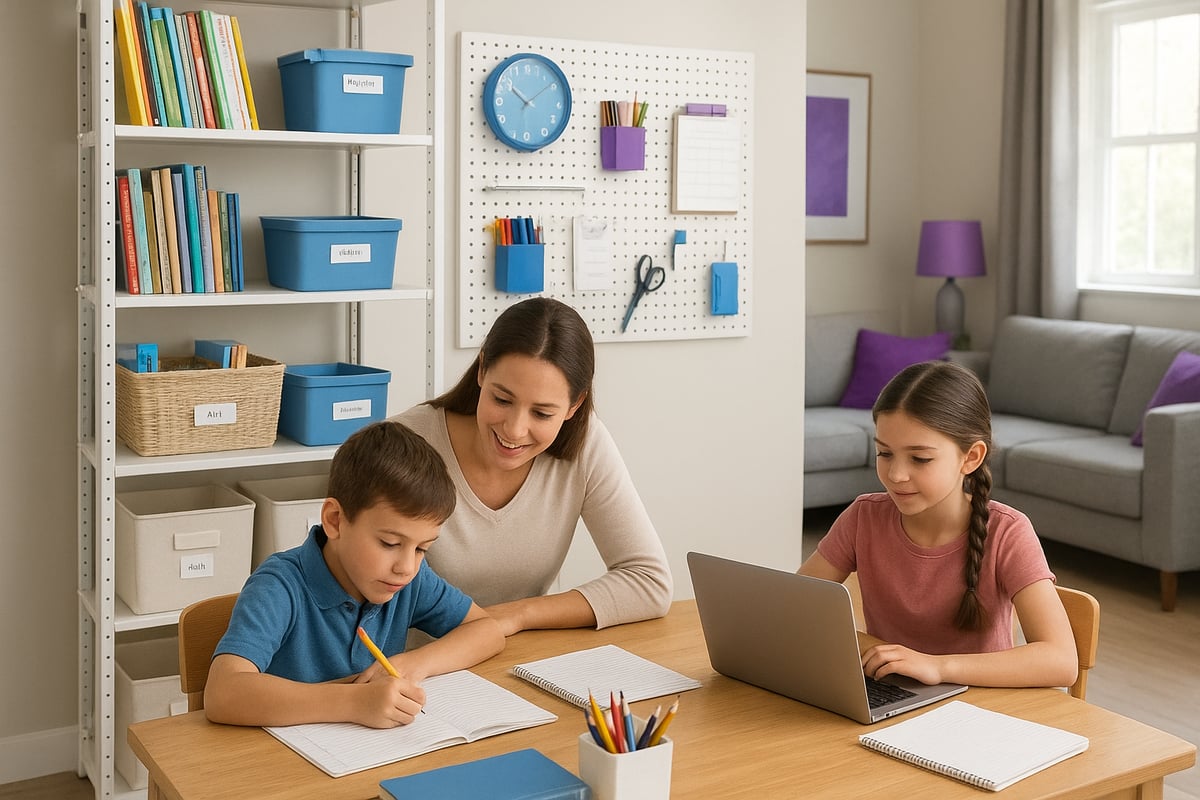
The homeschooling landscape is experiencing significant growth as families seek flexible education options. Post-pandemic, experts predict that the number of homeschoolers will continue to rise, with over 3.7 million U.S. students already learning at home in 2023. By 2026, this figure is expected to increase even further, reflecting a shift toward hybrid and multi-use learning spaces. Many families are now transforming living rooms and kitchens into classrooms, which increases the demand for adaptable homeschool storage. According to Homeschooling statistics 2025, this upward trend highlights the urgent need for innovative storage solutions to keep pace with evolving educational needs.
Impact of Storage on Learning and Well-Being
Clutter can significantly impact a child's ability to focus, leading to higher stress and reduced productivity. Well-designed homeschool storage helps minimize distractions, creating a calm and organized environment. When materials have a designated place, children develop independence and responsibility. Families often report that dedicated storage systems improve daily routines and foster a sense of ownership in learning. Insights from educational psychology also show that a tidy learning space supports cognitive function and emotional well-being. By investing in homeschool storage, parents can better separate “school” from “home,” promoting a balanced and productive atmosphere.
Common Homeschool Storage Challenges
Homeschool storage comes with unique challenges, especially in homes with limited space. Many families need furniture that serves multiple purposes, such as ottomans with hidden compartments or rolling carts for supplies. Managing materials for different subjects and age groups can quickly become overwhelming. Digital devices and their accessories often add to the clutter, requiring thoughtful organization. Parents also strive to balance aesthetics with functionality, particularly in shared living areas. Real-life examples show that without a clear homeschool storage strategy, families struggle to keep materials accessible yet out of sight, leading to frustration and chaos.
Essential Qualities of Effective Storage Solutions
For homeschool storage to be truly effective, flexibility is key. Solutions must adapt to changing curricula and growing children. Durability is essential, as storage products will face daily use and frequent handling by kids. Accessibility ensures that children can independently retrieve and return their materials, fostering self-sufficiency. Safety is another priority, with non-toxic finishes and tip-resistant designs being especially important for young learners. Finally, homeschool storage should complement the home’s style, blending seamlessly with existing décor to create an inviting and inspiring learning space.
Room-by-Room Homeschool Storage Solutions
Organizing your home for effective homeschooling requires a strategic approach to homeschool storage. Each area of your house presents unique challenges and opportunities for keeping supplies accessible, tidy, and visually appealing. Here, we break down room-by-room homeschool storage solutions to help you maintain order and inspire learning in every corner.
Living Room Storage Ideas
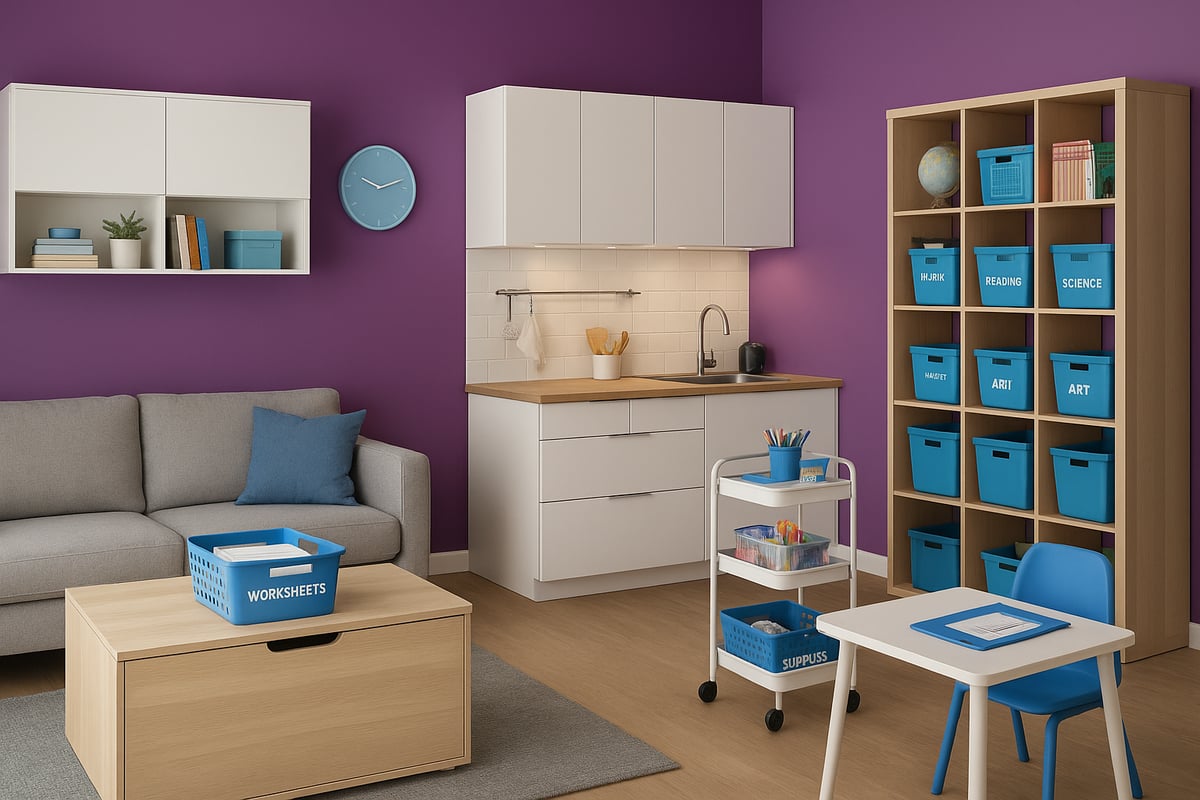
The living room often doubles as a learning space, making versatile homeschool storage essential. Cabinets with adjustable shelves are ideal for storing books, puzzles, and crafts in a way that keeps clutter out of sight. Consider hidden storage solutions such as ottomans, benches, and media units to maximize functionality without sacrificing style.
Multi-purpose furniture, like storage coffee tables, allows you to combine comfort and practicality. Woven-door cabinets can double as device charging stations, offering both ventilation and security for electronics. To maintain a cohesive aesthetic, choose storage in finishes and materials that complement your living room décor.
For those seeking inspiration, Montessori Homeschool Storage Ideas offer child-accessible and visually appealing solutions that blend seamlessly with family spaces. Integrating such options ensures that homeschool storage does not disrupt the overall look and feel of your living area.
- Cabinets with adjustable shelves
- Hidden storage ottomans and benches
- Multi-purpose coffee tables
- Woven-door cabinets for devices
- Montessori-inspired shelving
Blending storage with living room aesthetics creates a welcoming environment for both learning and relaxation.
Kitchen & Dining Area Storage
The kitchen and dining area are central hubs for family activity and learning. Mobile rolling carts provide flexible homeschool storage, allowing you to transport art supplies, science kits, or snacks between rooms with ease. Under-table organizers make daily clean-up quick and hassle-free.
Wall-mounted racks are perfect for storing art materials, utensils, and even lesson plans. Repurpose buffet cabinets or sideboards for homeschool storage, keeping materials close at hand yet out of the way during mealtimes.
- Rolling carts for mobile supply access
- Under-table organizers for quick clean-up
- Wall-mounted racks for art supplies
- Repurposed buffet cabinets
Maintaining organized homeschool storage in the kitchen keeps learning materials accessible without cluttering shared spaces.
Dedicated Homeschool Room Organization
If you are fortunate to have a dedicated homeschool room, optimize it with modular shelving to accommodate curriculum materials and changing needs. Color-coded bins are excellent for separating subjects and keeping each child’s resources organized.
Pegboards and wall organizers maximize vertical space, providing easy access to frequently used items. Implementing clear labeling systems fosters student independence and teaches organizational skills. Flexible seating with built-in storage, such as benches or stools with compartments, supports varied learning activities.
- Modular shelving for curriculum
- Color-coded bins for subjects
- Pegboards for vertical storage
- Labeling systems for independence
- Flexible seating with storage
A well-organized homeschool storage system in a dedicated room supports productivity and a love of learning.
Bedroom & Personal Study Nook Solutions
Bedrooms and personal study nooks offer quiet spaces for focused work and personal projects. Desk organizers keep pens, notebooks, and devices in order, contributing to efficient homeschool storage. Under-bed storage is a smart way to house textbooks, portfolios, or seasonal materials without taking up valuable floor space.
Small shelving units and drawer dividers help maintain order for stationery and tech accessories. Assigning each child their own storage area encourages responsibility and ownership of their learning tools.
- Desk organizers for supplies
- Under-bed storage for books
- Small shelving for personal materials
- Drawer dividers for tech and stationery
Personalized homeschool storage in bedrooms fosters independence and organization skills.
Entryway & Transitional Spaces
Entryways and transitional spaces are often overlooked but can be transformed into efficient homeschool storage zones. Install hooks and cubbies for backpacks, jackets, and daily materials to streamline morning routines. Shoe racks can be repurposed to hold storage bins for supplies or projects in progress.
A command center with calendars, to-do lists, and paperwork organizers helps keep the family on track. Utilize vertical space in hallways or near doors for wall-mounted baskets or shelves, ensuring essentials are always within reach.
- Hooks and cubbies for daily materials
- Repurposed shoe racks for bins
- Command center for schedules
- Vertical storage in hallways
Smart homeschool storage in entryways ensures smooth transitions between home and school activities.
Outdoor & Garage Storage for Homeschool Supplies
Outdoor and garage areas are ideal for storing bulky or messy homeschool supplies. Weatherproof bins protect science kits, outdoor learning tools, or seasonal materials from the elements. Wall-mounted racks keep sports and physical education equipment organized and accessible.
Secure shelving in the garage can hold bulk supplies, art materials, or projects that require extra space. Label containers clearly to make retrieval easy and to maintain an efficient homeschool storage system.
- Weatherproof bins for outdoor tools
- Wall-mounted racks for equipment
- Secure garage shelving for bulk items
- Clearly labeled containers
Utilizing outdoor and garage spaces for homeschool storage frees up room inside the home and supports diverse learning experiences.
Essential Storage Products and Tools for Homeschoolers
Finding the right homeschool storage products can transform your learning environment from chaotic to calm. The right tools make it easier to keep materials accessible, organized, and safe for daily use. Below, we highlight the most effective solutions for modern homeschool families.
Best Storage Bins, Baskets, and Containers
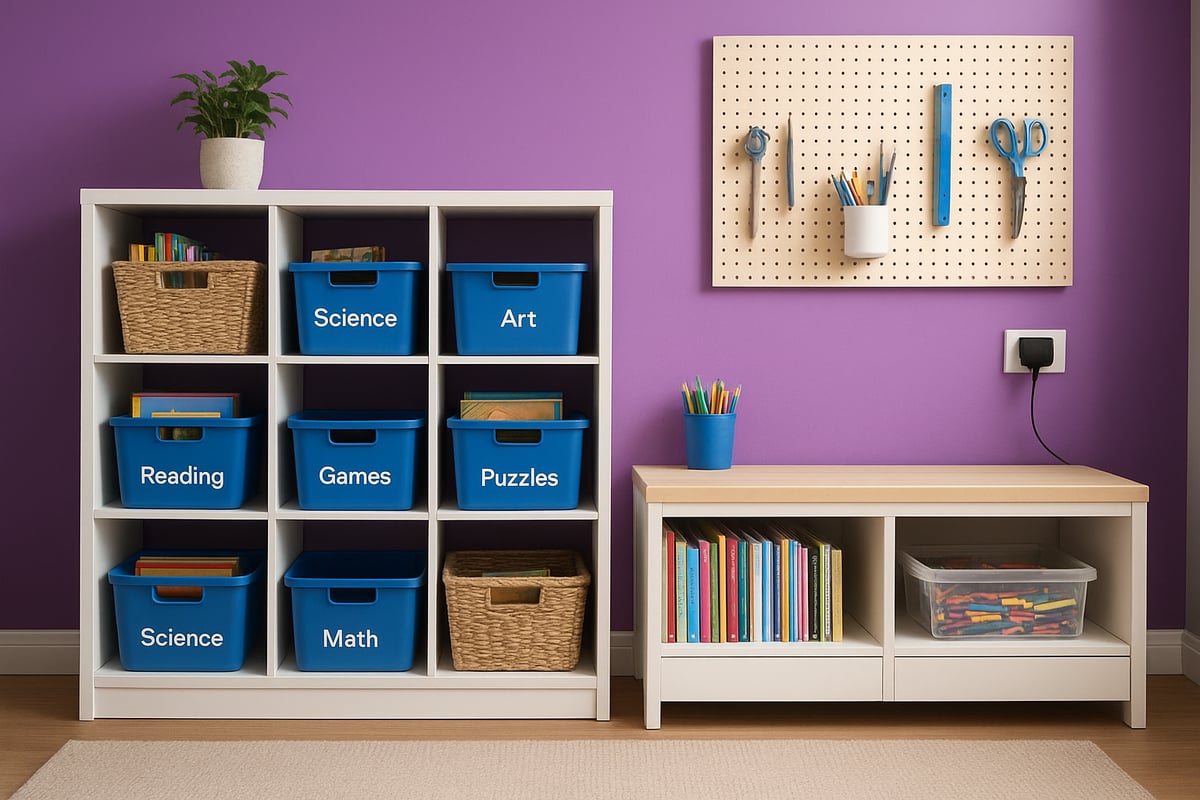
Selecting the right bins and baskets is foundational for homeschool storage. Sturdy baskets help corral books and manipulatives, keeping essentials at children's fingertips. Clear bins make it easy to identify materials quickly, reducing time spent searching for supplies.
Stackable containers maximize shelf space and work well for families with limited room. Divided bins are especially helpful for organizing art and science supplies, preventing items from mixing and getting lost. Choose containers with secure lids for messy materials, and opt for lightweight bins so children can access them independently.
Mix different sizes and styles as needed, but keep a consistent look for visual harmony. Well-chosen bins and baskets can make homeschool storage both practical and visually appealing.
Furniture with Built-In Storage
Multi-functional furniture is essential for efficient homeschool storage, especially in shared spaces. Storage benches and ottomans provide comfortable seating while hiding away books, games, or craft supplies. Bookshelves with adjustable shelves allow you to adapt as your curriculum changes from year to year.
Desks with drawers and cubbies give each student a personal organization zone, reducing clutter in communal spaces. Living room cabinets with doors are ideal for concealing homeschool storage while maintaining your home's style.
For families seeking specialized options, Montessori Shelving Solutions offer accessible, child-friendly designs that blend seamlessly into any learning space. Investing in versatile furniture ensures your homeschool storage adapts as your family's needs evolve.
Wall and Vertical Storage Solutions
Making use of vertical space is a smart strategy for homeschool storage. Pegboards let you hang tools, headphones, or art supplies within easy reach. Floating shelves add extra storage above desks or tables without taking up floor space, perfect for displaying finished projects or storing lesson materials.
Hanging organizers, such as pocket charts or wall-mounted baskets, keep paperwork, flashcards, and small items sorted. Wall-mounted trays are another effective option for lesson plans or frequently used documents.
By using your walls creatively, you free up floor space and keep essential homeschool storage accessible without crowding your main living areas.
Tech and Device Organization
Managing digital devices is a growing challenge in homeschool storage. Charging stations with built-in cord management help keep tablets, laptops, and e-readers powered and ready for lessons. Drawer inserts can hold devices safely when not in use, reducing the risk of damage.
Lockable cabinets are important for securing expensive technology, especially in homes with young children. Woven-door cabinets provide ventilation while keeping devices out of sight and safe from dust.
Prioritizing tech organization within your homeschool storage plan not only protects your investments but also helps maintain a clutter-free learning environment.
Labeling and Organization Systems
Consistent labeling is vital for effective homeschool storage. Color-coded labels can distinguish subjects or students, making it easy for children to find and return items. Printable checklists help track supplies and remind you when it is time to restock.
Dry-erase boards are useful for tracking assignments and listing where materials are stored. Labeling baskets and bins encourages children to participate in organizing, fostering independence and responsibility.
A simple, well-maintained labeling system ensures your homeschool storage stays functional, even as your curriculum and materials grow.
Step-by-Step Guide to Organizing Your Homeschool Space
Creating an effective homeschool storage system is a process that can transform your family's learning environment. By tackling each step methodically, you will reduce clutter, boost productivity, and support independence in your children.
Step 1: Assess Your Space and Needs
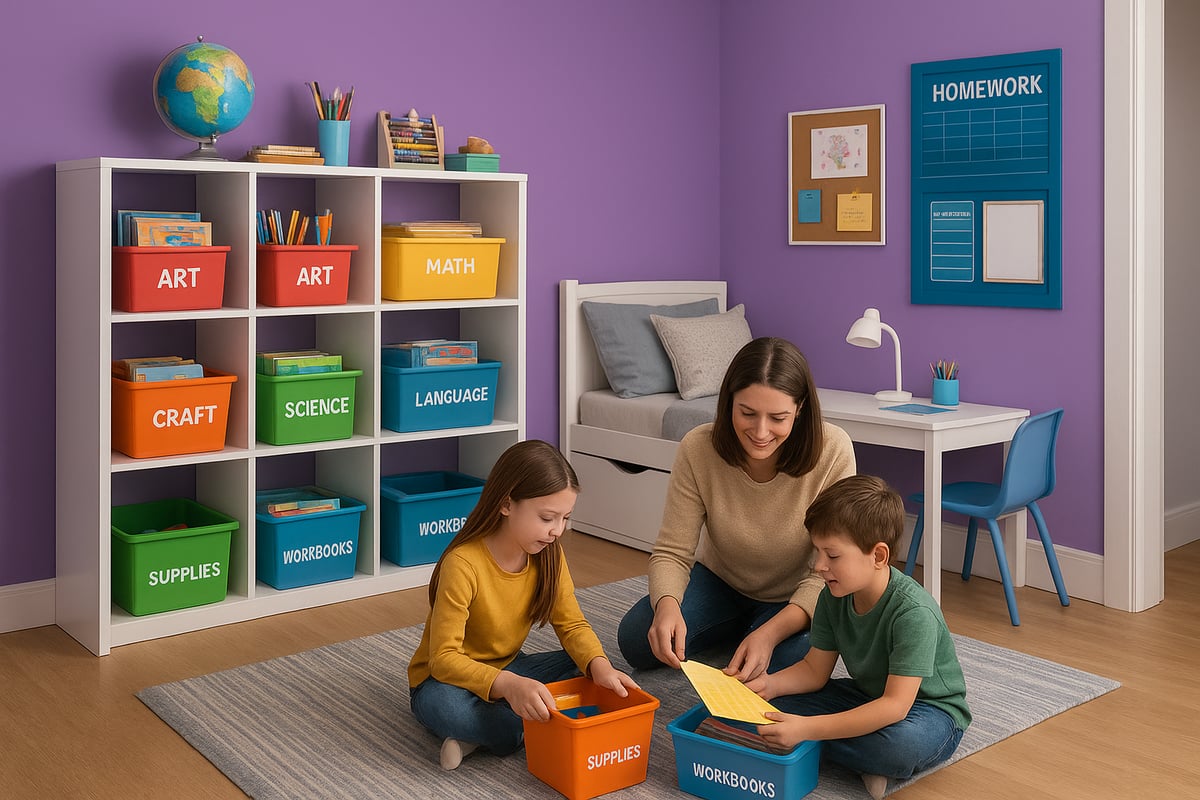
Begin your homeschool storage journey by evaluating every area where learning happens. Walk through your home and identify clutter hotspots, such as overflowing bookshelves or crowded tables.
Make a list of essential materials, from textbooks to art supplies. Take note of underutilized spaces, like empty walls or corners that could house new storage options.
Engage your family in a quick survey. Ask what feels disorganized and which items are hardest to find. By understanding your daily routines, you can design a homeschool storage system that truly fits your needs.
Step 2: Declutter and Sort Materials
Decluttering is a powerful first step in homeschool storage. Involve your children in sorting through supplies. Let them help decide what to keep, donate, or discard.
Remove outdated curriculum, broken items, and duplicate materials. Sort everything into categories: subjects, frequency of use, or by student. This makes it easier to see what you have and spot gaps in your homeschool storage.
A helpful tip is to schedule a decluttering session before each new school year. This ensures your homeschool storage remains streamlined and ready for fresh learning adventures.
Step 3: Select Appropriate Storage Solutions
Now that you know what you need to store, match storage products to your specific requirements. For example, use stackable bins for rotating curriculum materials, and choose multi-functional furniture for small spaces.
Prioritize safety and accessibility, especially if young children will access supplies independently. Modular shelving, clear containers, and lockable cabinets can all support organized homeschool storage.
For more ideas on organizing curriculum, the Organizing Montessori Homeschool Curriculum guide offers practical tips tailored to homeschool storage needs.
Step 4: Implement Room-by-Room Organization
Assign storage zones in each area used for homeschooling. For example, place baskets in the living room for daily readers, install wall racks in the kitchen for art supplies, or add under-bed storage in bedrooms for personal study materials.
Use vertical space whenever possible. Pegboards, wall-mounted cubbies, and floating shelves keep frequently used items within reach while maximizing homeschool storage efficiency.
Blend storage with your home décor. Choose containers and furniture that complement your style, making your homeschool storage both functional and visually appealing.
Step 5: Label and Systematize
A consistent labeling system is essential for effective homeschool storage. Use color-coded labels for subjects or students, and add printable checklists to track supplies.
Create visual guides or charts to help children learn where everything belongs. This not only keeps your homeschool storage organized but also encourages student independence.
Labeling bins, baskets, and files will save time during clean-up and make it easier for everyone to maintain order in your homeschool storage system.
Step 6: Maintain and Adapt Over Time
Homeschool storage is not a one-time project. Schedule regular “reset” sessions, such as a quick tidy-up every week and a more thorough review each month.
As your children grow and their curriculum evolves, adjust your storage solutions accordingly. Swap out early learning bins for advanced materials or update labels as needed.
Encourage the whole family to participate in maintaining homeschool storage. This shared responsibility keeps the system running smoothly and supports a positive learning environment.
Step 7: Troubleshooting Common Storage Problems
Even with careful planning, challenges can arise. In small spaces, use vertical storage and mobile carts to maximize every inch. For managing device clutter, invest in charging stations and cord organizers.
Shared spaces can quickly become messy. Establish daily routines for quick end-of-day pick-up, using baskets or trays for items that need to be put away.
By staying flexible and addressing issues as they appear, your homeschool storage will remain efficient, organized, and supportive of your family's educational goals.
DIY and Budget-Friendly Homeschool Storage Ideas
Creating an organized homeschool storage system does not have to be expensive or complicated. With a bit of creativity and resourcefulness, families can transform everyday items into practical solutions that keep learning spaces tidy and functional. Explore these DIY and budget-friendly ideas to maximize your homeschool storage, no matter your home’s size or budget.
Upcycling and Repurposing Furniture
Upcycling is an eco-friendly way to enhance your homeschool storage. Old cabinets, dressers, and bookshelves can be given new life as dedicated storage units for books, art supplies, and learning materials. For example, a vintage buffet cabinet can become a central hub for curriculum binders and science kits.
Repurposing kitchen carts as mobile homeschool stations allows you to move supplies from room to room. Not only does this approach save money, but it also keeps frequently used items accessible. Look for sturdy furniture pieces at thrift stores or garage sales for affordable storage upgrades. By reimagining what you already own, you can create unique homeschool storage solutions that fit your family’s needs.
Creative Storage Hacks for Small Spaces
Maximizing homeschool storage in small spaces requires a bit of ingenuity. Over-the-door organizers are perfect for storing school supplies, flashcards, or small manipulatives without taking up floor space. Magnetic strips mounted on walls or inside cabinet doors keep scissors, rulers, and metal tools within easy reach.
Under-table or under-bed storage bins are excellent for stashing textbooks, seasonal materials, or portfolios. Rolling carts are a favorite for flexible homeschool storage, as they can be tucked away when not in use. These creative hacks help maintain order and make the most of every inch, especially in multi-use or compact living areas.
Low-Cost Storage Solutions
Effective homeschool storage does not require a big investment. Dollar store bins and baskets can corral everything from pencils to math manipulatives. DIY labels made from recycled cardboard or washi tape make it simple to keep track of what’s inside each container. Wall-mounted file holders, which can be crafted from repurposed cereal boxes, help organize paperwork and assignments.
Shoe organizers hung on the back of doors or inside closets can sort craft supplies, flashcards, or even small books. These low-cost ideas help families build a functional homeschool storage system without straining the budget. Consistent labeling and strategic placement ensure materials are always easy to find.
Involving Kids in the Organization Process
Engaging children in creating and maintaining homeschool storage fosters independence and responsibility. Let kids decorate and label their own bins or shelves, making the space feel truly theirs. Assigning “storage monitor” roles gives students ownership of tidying up and organizing materials at the end of each day.
For more inspiration, practical organization tips from real Montessori homeschool families can be found in the Montessori Homeschooling in Real Life blog series. Student-led decluttering days turn organizing into a collaborative activity, reinforcing lifelong habits. When children participate in the process, homeschool storage becomes more sustainable and meaningful for the entire family.
Expert Tips for Maintaining an Organized Homeschool Environment
Keeping your homeschool storage organized is an ongoing process, not a one-time task. By establishing routines, encouraging independence, and adapting as your children’s needs evolve, you can create a learning environment that supports focus and well-being. Here are expert strategies to help you maintain order and inspire success.
Establishing Daily and Weekly Routines
Consistent routines are the backbone of successful homeschool storage management. Set clear times each day for quick clean-up, such as before lunch and at the end of lessons. Weekly checks help prevent supplies from piling up and keep materials accessible.
- Morning tidy-up: Start the day with a quick reset.
- End-of-day review: Return items to storage after lessons.
- Weekly supply check: Restock and reorganize as needed.
Research shows that clutter can negatively impact well-being and learning. Creating regular routines not only preserves order but also supports mental clarity and calm. For more insights, see the impact of clutter on well-being.
Encouraging Independence and Responsibility
Empowering children to manage their own homeschool storage fosters independence and accountability. Teach them to return items to designated spots and involve them in creating visual guides or checklists for organization.
- Assign “storage monitor” roles to rotate among children.
- Use sticker charts or rewards for consistent tidiness.
- Let kids personalize their storage bins or labels.
When children are responsible for maintaining their learning environment, they develop valuable life skills. This approach also makes the process of organization more engaging and meaningful for everyone.
Adapting Storage as Children Grow
Homeschool storage needs change as children progress through different learning stages. Regularly assess which materials are no longer relevant and update storage systems to reflect new interests or curriculum.
- Replace early-learning bins with more advanced organizers.
- Rotate outgrown supplies to make room for current needs.
- Reconfigure shelving or add new storage for changing projects.
Staying flexible ensures your homeschool storage continues to support effective learning. By adapting your approach, you make organization a sustainable habit that grows with your family.
Now that you have practical strategies for transforming your homeschool space into an organized and inspiring environment, you might be wondering how to put these ideas into action with the right learning materials. If you want to see how an expertly structured curriculum can complement your storage solutions and support your child’s growth, I invite you to Download our Free Curriculum Sample Now. This resource will give you a firsthand look at how Multisori’s Montessori approach empowers families to create efficient, beautiful, and authentic learning spaces at home.


