
Montessori at Home Guide: Nurturing Independence in 2026
Across the globe, more families are embracing Montessori at home, making 2026 a landmark year for independent learning. Parents everywhere are seeking proven ways to foster confidence and self-reliance in their children within the comfort of their own spaces.
This guide delivers a clear path to nurturing independence through Montessori at home. You will discover the core philosophy, tips for preparing your environment, age-appropriate activities, and strategies to overcome common challenges.
Explore how real families are thriving using Montessori at home. With practical steps and expert insights, you can confidently start your own journey toward raising capable, curious, and self-motivated children.
Understanding the Montessori Philosophy in 2026
Montessori at home is more than a trend in 2026. It is a movement that empowers families to nurture lifelong independence in their children. At its core, Montessori education is built on several foundational principles: child-led learning, respect for the child, a carefully prepared environment, and self-directed activity. These values guide parents in shaping a home where children are active participants in their own growth.
| Foundational Principle | Description |
|---|---|
| Child-Led Learning | Children choose activities based on interests and readiness |
| Respect for the Child | Each child is valued as a unique individual |
| Prepared Environment | Spaces are intentionally organized for autonomy |
| Self-Directed Activity | Children work at their own pace and develop responsibility |
The relevance of Montessori at home has never been greater. By 2026, flexible learning and homeschooling have surged worldwide. According to recent studies, homeschooling rates rose to 5.4% in the 2024-2025 academic year, reflecting families’ growing desire for personalized education. The American Montessori Society also reports a steady increase in families adopting Montessori at home, citing post-pandemic shifts in parental priorities.
Dr. Maria Montessori envisioned an education that fosters confidence, curiosity, and independence from early childhood through adulthood. Her philosophy is designed to support the development of lifelong learners equipped to face the challenges of a rapidly changing world. When families practice Montessori at home, children gain practical skills and a deep sense of self-efficacy that extends beyond academic achievement.
Despite its popularity, several misconceptions persist about Montessori at home. Some believe it requires expensive materials, rigid routines, or a classroom-like setting. In reality, Montessori at home is adaptable and can be tailored to suit each family’s unique circumstances. For a deeper look at common misunderstandings, explore Montessori Myths vs. Reality, which clarifies what Montessori at home truly involves.
Central to the Montessori approach are observation, modeling, and intrinsic motivation. Parents are encouraged to observe their children closely, model respectful behavior, and foster an environment where children are motivated by their own interests rather than external rewards. For example, many families set up accessible shelves, create simple routines, and involve children in daily tasks. These practices help children develop independence and a genuine love of learning.
Ultimately, Montessori at home is effective for families of all backgrounds. Its adaptability makes it suitable for diverse family structures, learning needs, and living situations. In 2026, Montessori at home continues to offer a proven path to nurturing confident, capable, and independent children.
Preparing Your Home: The Montessori Prepared Environment
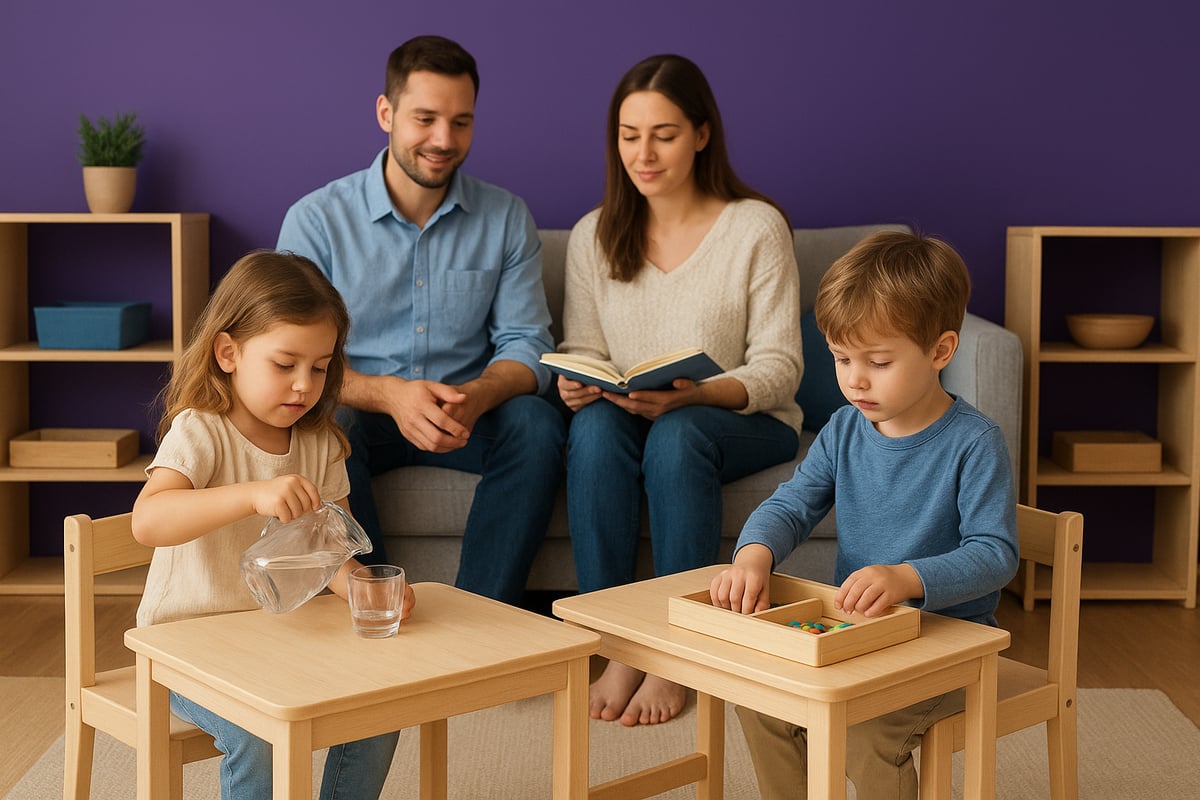
Creating a nurturing space is at the heart of montessori at home. The prepared environment is not just about furniture or materials—it is about fostering independence and confidence in children. By intentionally shaping your home, you empower your child to explore, learn, and thrive in 2026.
The Fundamentals of a Prepared Environment
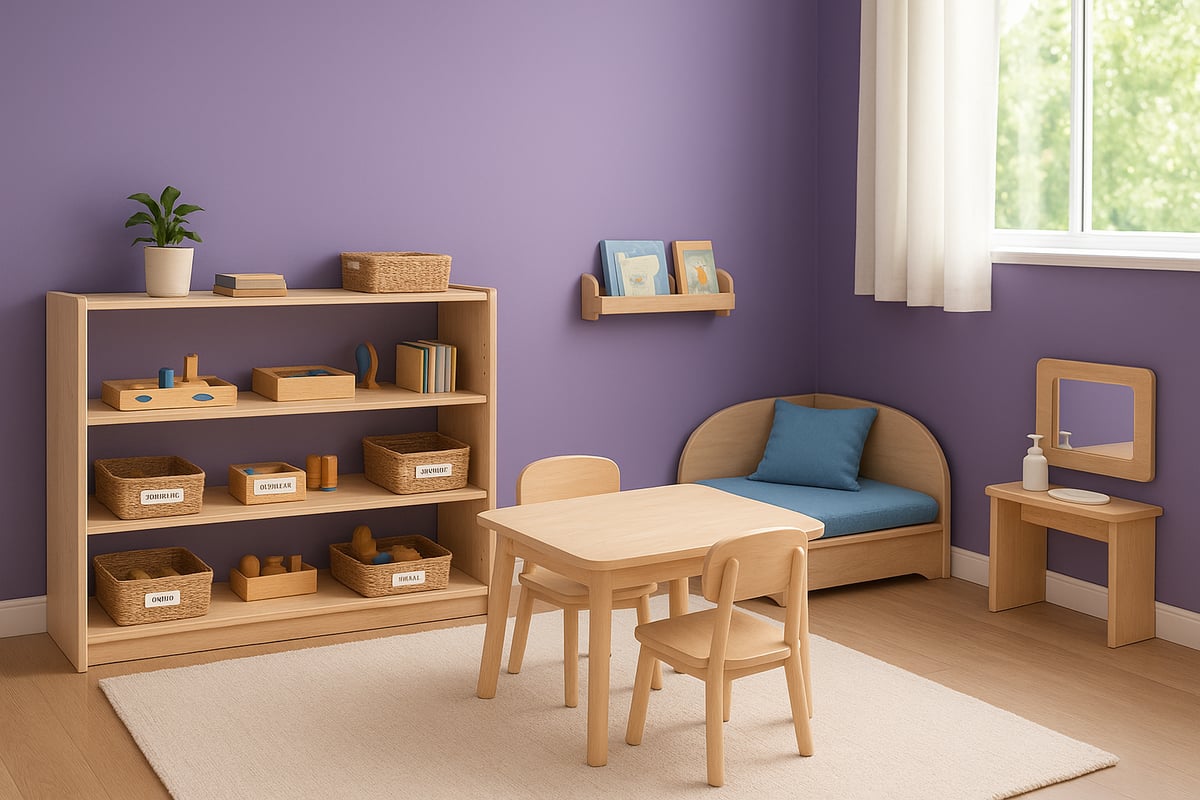
The prepared environment is a foundational concept in montessori at home, designed to support children's independence and self-directed learning. At its core, it means arranging your home so that everything is orderly, accessible, and inviting for your child.
Order is essential. Children thrive when their surroundings are predictable and everything has a place. Accessibility is equally important. Items should be within reach, so children can choose, use, and return them independently. Simplicity reduces distractions and helps children focus.
Child-sized furniture and tools are key features. A small table, low shelves, and utensils fit for little hands allow children to serve themselves, work comfortably, and care for their environment. This mirrors the Montessori classroom, where children move freely and confidently.
According to the American Montessori Society, transforming a kitchen or living area for montessori at home can be as simple as lowering a shelf, placing a step stool by the sink, or organizing snacks within reach. These thoughtful adjustments encourage daily independence.
For an in-depth explanation of the prepared environment and its impact on child development, see The Prepared Environment – Montessori Commons.
Room-by-Room Montessori Setup
Bringing montessori at home to life means considering every room through the lens of independence. In bedrooms, a floor bed lets children get in and out by themselves. Low shelves display a few favorite books and toys, rotated regularly to spark curiosity without overwhelming.
In playrooms, open shelving and labeled baskets make it easy for children to find and put away materials. Rotating toys keeps the space fresh and engaging. Setting up a reading nook with cushions and natural light encourages quiet exploration.
Bathrooms can feature a low hook for towels, a step stool at the sink, and a basket for self-care items. This setup supports daily routines like handwashing and brushing teeth.
The kitchen is a hub for practical life skills. Store cups, plates, and utensils at child height. Create a snack station with healthy options your child can access independently. Even a small apartment can adapt by using portable shelves or rolling carts.
For families with multiple ages, designate shared spaces with clear zones, and use color-coded baskets for each child. The American Montessori Society recommends minimizing clutter to maximize engagement, especially in compact homes. These strategies ensure montessori at home fits every family.
Simplifying and Organizing for Success
A simplified environment is a cornerstone of montessori at home. Decluttering and limiting choices help children focus and reduce decision fatigue. When there are fewer items, each one holds more value and purpose.
One effective strategy is toy and material rotation. Store most items out of sight, and display a select few. Every week or two, swap in new materials to maintain interest. This approach keeps the environment fresh while avoiding overstimulation.
The psychological benefits of an ordered environment are well documented. Children show greater concentration, calmness, and cooperation when their space is tidy and predictable. Before-and-after organization scenarios often reveal dramatic improvements in focus and behavior.
Involving children in maintaining their montessori at home environment is vital. Assign simple tasks like sorting laundry, dusting shelves, or watering plants. This fosters responsibility, pride, and a sense of ownership over their space.
Montessori in Action: Age-Appropriate Activities and Routines
Creating a successful montessori at home experience means tailoring activities and routines to your child’s developmental stage. By thoughtfully integrating Montessori principles into daily life, families empower children to build independence, confidence, and curiosity. Here, we break down actionable steps for each age group, ensuring that every child can thrive in a nurturing home environment.
Infants & Toddlers (0-3 Years)
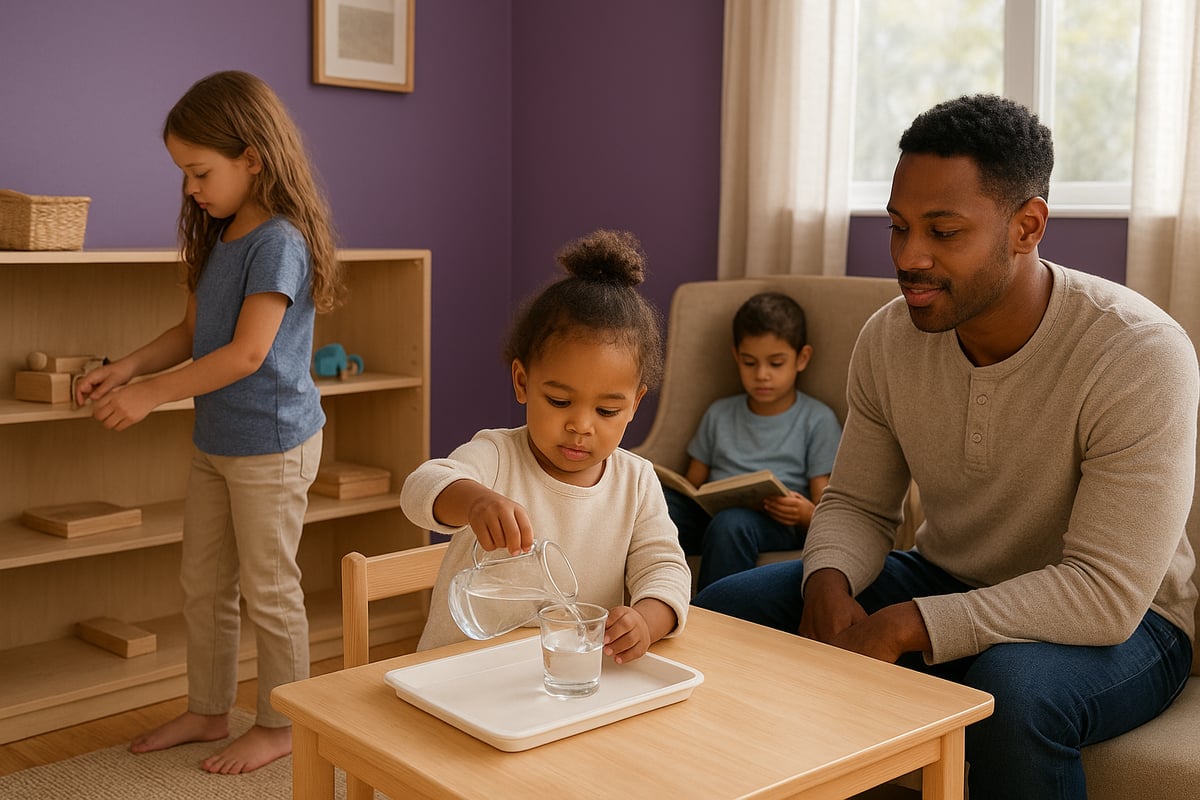
The foundation of montessori at home for infants and toddlers is supporting their natural drive to explore. At this age, children are eager to move, communicate, and participate in real-life tasks. A prepared environment with low mirrors, soft rugs, and sturdy grasping toys encourages movement. Simple food prep, like peeling a banana or pouring water, builds coordination and self-esteem.
Daily routines are essential. Encourage self-feeding with child-sized utensils, and offer accessible clothing for dressing practice. Water play in shallow basins or washing a toy can become a favorite independent activity. A floor bed allows freedom of movement, while low shelves let little ones choose their own books and toys.
For families seeking more inspiration, the Montessori Activities for Your Toddler guide offers practical ideas tailored for this age group, making montessori at home engaging and accessible.
AMS recommends allowing toddlers to participate in simple chores like wiping tables or putting away toys. These activities foster a sense of belonging and capability, laying the groundwork for lifelong independence.
Early Childhood (3-6 Years)
During the early childhood years, montessori at home focuses on practical life, sensorial exploration, and early academics. Children thrive when given meaningful tasks that mirror adult work. Pouring water, sweeping floors, and sorting laundry become valuable lessons in responsibility and coordination.
Choice is central to this stage. Offer a snack preparation station with child-safe knives and bowls, empowering children to make their own healthy snacks. Open art shelves with accessible supplies invite creativity and self-expression. Rotating materials and providing clear labels help maintain order and sustain interest.
Sensorial activities, like matching fabrics or exploring scents, engage the senses and support cognitive growth. Basic math games using beads, and language activities such as letter tracing, can be woven into daily routines.
According to insights from the Montessori Life blog, providing opportunities for self-correction and autonomy is vital. When mistakes are viewed as learning moments, children develop resilience, a key outcome of montessori at home.
Elementary (6-12 Years) and Beyond
As children grow, montessori at home evolves to emphasize independence, critical thinking, and collaboration. Elementary-aged children benefit from projects that connect them to real life, such as gardening, meal planning, and budgeting.
Encourage autonomy in academic work by offering independent reading lists and letting children research topics of interest. Science experiments at home, like observing plant growth or building simple machines, nurture curiosity and problem-solving skills. Collaborative projects, such as planning a family meal or organizing a recycling system, foster teamwork and accountability.
Household contributions expand at this stage. Children can help with grocery lists, manage their schedules with visual planners, and take on more complex chores, building confidence and practical skills central to montessori at home.
AMS handouts for elementary and secondary ages emphasize the importance of meaningful responsibility. By entrusting children with real tasks, families support self-discipline and a love of learning that extends beyond the classroom.
Integrating Montessori into Daily Routines
Bringing montessori at home into daily life is about consistency and mindful structure. Start mornings with visual schedules that outline the day’s tasks. At mealtimes, invite children to set the table or serve themselves from shared dishes, reinforcing self-care and order.
Bedtime routines can include choosing pajamas, brushing teeth independently, and selecting a bedtime story. Simple checklists help children take ownership of their responsibilities, while consistent routines provide security and predictability.
By weaving Montessori principles into everyday moments, families create a supportive environment where independence blossoms, and children develop the skills needed for lifelong success.
Fostering Independence and Intrinsic Motivation
Creating a successful montessori at home environment means prioritizing independence and nurturing a genuine love of learning. Montessori philosophy emphasizes that children thrive when empowered to make choices, take responsibility, and develop self-motivation. Through thoughtful guidance and purposeful routines, parents can foster these qualities in everyday family life.
Encouraging Self-Direction and Choice
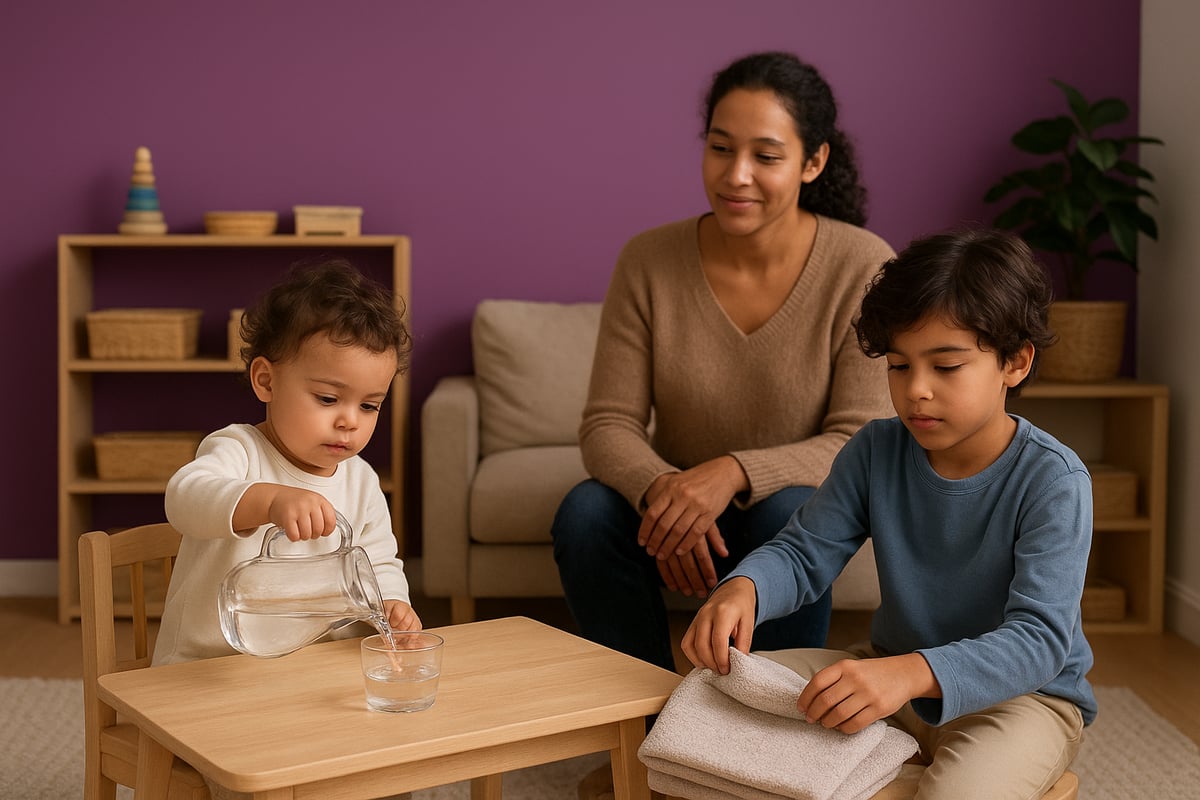
In montessori at home settings, giving children the ability to make choices within clear boundaries is a cornerstone of fostering self-direction. When children select their clothing, choose between snacks, or decide which learning activity to pursue, they build confidence and decision-making skills.
Offering limited, meaningful options helps avoid overwhelm while still empowering autonomy. For example, present two or three outfits for the child to pick from, or let them choose between drawing or building with blocks during quiet time. This approach respects the child's individuality and encourages responsibility for their decisions.
Research from the American Montessori Society shows that children offered appropriate choices demonstrate higher engagement and motivation. Visual aids, such as picture cards or choice boards, can further support young children in making selections independently. Over time, these small daily choices build a foundation for greater independence, both at home and in social settings.
Supporting Real-Life Skills and Responsibility
A defining aspect of montessori at home is the integration of real-life tasks into daily routines. Practical life activities, such as preparing snacks, watering plants, or folding laundry, give children a sense of contribution and belonging.
Tasks should be matched to the child's age and abilities. Toddlers can help set the table with napkins, while elementary-aged children might manage recycling or assist with meal planning. As children grow, responsibilities can expand to include budgeting or basic home repairs.
| Age Group | Sample Chores |
|---|---|
| Toddlers | Folding washcloths, wiping tables |
| Early Childhood | Pouring drinks, sorting laundry |
| Elementary | Emptying dishwasher, gardening |
| Teens | Cooking meals, minor repairs |
Expert guidance, such as the Guidelines for the Prepared Adult in Supporting the Exercises of Practical Life, emphasizes modeling and gentle encouragement. By involving children in real tasks, parents reinforce the value of effort and nurture essential life skills. This collaborative approach not only supports independence but also strengthens family bonds in montessori at home routines.
Nurturing Inner Motivation Over External Rewards
One of the hallmarks of montessori at home is cultivating intrinsic motivation. Rather than relying on stickers or prizes, the focus is on meaningful feedback and celebrating effort. Dr. Maria Montessori believed that children are naturally driven to master new skills when given the right environment and encouragement.
Parents can nurture this inner drive by acknowledging perseverance, progress, and genuine interest. For example, instead of praising a finished drawing with "good job," comment on the child's focus or the techniques they tried. This feedback helps children value their own growth, not just external approval.
Research continues to show that intrinsic motivation leads to deeper learning and greater independence. By consistently supporting this mindset, families create an environment where children are inspired to explore, problem-solve, and take initiative in their montessori at home journey.
Overcoming Common Challenges in Montessori at Home
Even with the best intentions, families practicing montessori at home often encounter real-world hurdles. Whether you are managing sibling rivalries, limited space, busy work schedules, or adapting for neurodivergent needs, these challenges can feel overwhelming. However, with a flexible mindset and a deep commitment to observation, solutions are within reach.
One common challenge is balancing the needs of siblings in a montessori at home environment. Children of different ages may require varying activities and levels of independence. Designating shared and individual work areas, rotating materials, and encouraging older siblings to model behaviors can foster harmony. Allowing each child some autonomy in their daily routines helps reduce conflict and builds mutual respect.
Working parents may struggle to maintain consistency and boundaries without becoming rigid. Establishing clear, predictable routines is key. Involving children in setting up visual schedules or checklists can empower them to take ownership. For step-by-step strategies, families can benefit from resources like Establishing Routines in a Montessori Home, which provides actionable ideas for integrating Montessori principles into busy modern life.
Limited living space often raises concerns about fully implementing montessori at home. The philosophy, however, emphasizes quality over quantity. Thoughtful organization, open shelving, and multi-purpose furniture can maximize engagement even in small apartments. Parents can find inspiration and guidance from Transitioning to a Montessori Home, which covers practical adaptations for any home environment.
Adapting montessori at home for neurodivergent or differently-abled children requires observation and flexibility. Tailoring activities to individual strengths and sensitivities, offering sensory-friendly materials, and using visual supports can make Montessori accessible to all learners. Regularly inviting feedback from your child ensures their needs are being met.
Resistance to chores or screen time overuse are common obstacles. Approach these with empathy and curiosity. Invite children to participate in real-life tasks by offering choices and modeling involvement. For screen time, co-create agreements and provide engaging alternatives rooted in the prepared environment.
Below is a table summarizing common challenges and practical solutions:
| Challenge | Solution Example |
|---|---|
| Sibling Dynamics | Set up shared and individual workspaces |
| Working Parent Schedules | Use visual routines and involve children in planning |
| Limited Space | Rotate materials, use open shelving, multi-use furniture |
| Neurodivergence or Disabilities | Adapt activities, provide sensory supports, observe closely |
| Chore Resistance | Offer choices, model tasks, celebrate effort |
| Screen Time Balance | Co-create agreements, offer engaging alternatives |
Ultimately, success with montessori at home depends on your willingness to adapt, observe, and respond to your family's unique needs. Flexibility, rather than perfection, is the true foundation for nurturing independence and joy in learning.
Essential Resources and Continuing Education for Parents
Staying informed and connected is vital for families practicing montessori at home. As the movement grows, parents have more opportunities than ever to learn, collaborate, and access quality resources. Whether you are just beginning your journey or seeking to deepen your understanding, a wealth of tools and communities can support your ongoing growth.
Online Courses, Books, and Communities
Montessori at home flourishes when parents invest in their own education. Online courses offer a flexible way to gain foundational knowledge and practical strategies. The American Montessori Society’s Learning Early Childhood Course is a trusted starting point, providing insight into philosophy and daily application. Books like "The Montessori Toddler" by Simone Davies and "Montessori from the Start" by Paula Polk Lillard offer practical guidance for every stage.
Joining supportive communities can make all the difference. Online forums, such as Montessori family groups on social media, provide a space to share experiences and ask questions. The Montessori Life blog features real-life stories, expert interviews, and tips for integrating montessori at home. Attending digital or local AMS events connects you with like-minded families and seasoned educators.
Consider these recommended resources:
- AMS Learning Early Childhood Course
- "The Montessori Toddler" by Simone Davies
- "Montessori from the Start" by Paula Polk Lillard
- Montessori Life blog
- Family forums and AMS events
By engaging with these resources, you can confidently navigate montessori at home and foster an environment of lifelong learning.
Sourcing Montessori Materials and Tools
Creating a rich environment for montessori at home does not require endless spending. Choosing high-quality, authentic materials is key, but there are also creative ways to stay within budget. Start with the essentials: child-sized furniture, open shelving, and practical life tools. Reputable sources like the American Montessori Society offer guidance on what to prioritize.
DIY alternatives can be both cost-effective and rewarding. Everyday household items, such as pitchers for pouring or baskets for sorting, can become valuable learning tools. Many families rotate materials to maintain interest and reduce clutter. Consider local thrift stores or online marketplaces for gently used items.
For those seeking to purchase, look for trusted Montessori retailers that align with classroom standards. Budget-friendly tips include:
- Investing in multipurpose materials
- Repurposing household objects
- Sharing or trading with other families
When selecting materials for montessori at home, focus on quality, simplicity, and functionality. This approach empowers children to explore independently and keeps your environment welcoming.
Staying Current: Montessori in 2026 and Beyond
As montessori at home becomes increasingly popular, keeping up with trends and research is essential. Recent studies, such as the Homeschooling growth surges to 5.4% in 2024-2025, Johns Hopkins study shows, highlight the expanding role of home-based education in family life. Digital integration, sustainability, and global connections are shaping the future of Montessori learning.
Parents can stay informed by subscribing to Montessori newsletters, listening to educational podcasts, and participating in annual events like The Montessori Event 2026. These opportunities provide updates on best practices, new materials, and evolving philosophies. Active engagement helps families adapt to children's changing needs and ensures ongoing success.
To stay current in montessori at home:
- Join reputable online communities
- Attend annual Montessori events
- Subscribe to updates from AMS and other leaders
- Regularly review new research and trends
Embracing continued education and community involvement is the cornerstone of thriving with montessori at home.
You’ve seen how a thoughtfully prepared environment and age appropriate activities can make a real difference in nurturing independence at home. If you’re ready to put these Montessori principles into practice but want a bit more support, I encourage you to explore Multisori’s comprehensive resources. Their expertly crafted curriculum and practical tools are designed to help you confidently guide your child’s growth, no matter your experience level. To get started and see how Montessori can look in your own home, you can Download our Free Curriculum Sample Now and take the first step toward a more independent, joyful learning journey.


