
Complete Homeschool Curriculum Guide: Your 2026 Roadmap
Are you ready to take control of your child’s education in 2026? Discover the roadmap to a successful homeschool journey. Homeschooling is on the rise, offering families more flexibility and the power to shape learning experiences. This guide walks you through building a complete homeschool curriculum, giving you clear steps to tailor academics to your family’s needs. You will explore curriculum essentials, legal requirements, subject selection, planning tools, and the latest trends for 2026. Gain confidence, clarity, and actionable strategies to make informed choices and achieve your homeschooling goals.
Understanding Homeschool Curriculum Basics
Building a strong foundation starts with understanding what makes a curriculum truly complete. Whether you are new to homeschooling or seeking to refine your approach, getting the basics right ensures your family’s journey is smooth and rewarding.

Defining a Complete Homeschool Curriculum
A complete homeschool curriculum includes all core academic subjects, electives, and enrichment activities, providing both structure and flexibility. It should support academic rigor while nurturing holistic development, such as critical thinking and creativity.
Families can choose between all-in-one boxed sets, which offer pre-packaged content, or eclectic approaches that mix resources to suit individual needs. Customization is key, allowing parents to match materials to their child’s learning style. For a deeper understanding of what constitutes a complete curriculum, explore What's a Complete Montessori Homeschool Curriculum for practical examples and guidance.
Legal Requirements and State Guidelines
Legal requirements for a complete homeschool curriculum differ significantly by location. In the U.S., states may mandate reporting, standardized testing, attendance tracking, or portfolio reviews. For example, over 70% of states require parents to maintain some form of curriculum documentation, according to a 2023 HSLDA survey. International families may face unique regulations as well.
To remain compliant, keep detailed records and stay updated on local laws. Consider using a digital planner or checklist to organize your curriculum materials and yearly progress. Staying organized helps avoid oversight and ensures your complete homeschool curriculum meets all legal standards.
Homeschooling Styles and Philosophies
Selecting a homeschooling philosophy shapes your complete homeschool curriculum. Popular styles include Classical, Charlotte Mason, Montessori, Unschooling, and Eclectic. Each has unique benefits and challenges:
| Style | Key Features | Pros | Cons |
|---|---|---|---|
| Classical | Focus on logic, grammar, rhetoric | Strong academics | Rigid structure |
| Charlotte Mason | Living books, nature, narration | Gentle, literature-rich | May lack STEM focus |
| Montessori | Hands-on, child-led activities | Promotes independence | Requires setup effort |
| Unschooling | Learner-driven, interest-based | Flexible, creative | Less structure |
| Eclectic | Mix of multiple approaches | Customizable | May feel disjointed |
For example, Montessori emphasizes hands-on, child-led learning, which can foster independence within your complete homeschool curriculum.
Benefits and Challenges of Homeschooling
Homeschooling offers notable benefits, such as flexibility, individualized pacing, and stronger family relationships. A complete homeschool curriculum can be tailored to support your child’s strengths and interests.
However, challenges include ensuring socialization, managing time effectively, and navigating curriculum choices. According to the National Home Education Research Institute, homeschoolers score 15 to 30 percent higher on standardized tests. Overcoming obstacles involves connecting with support groups, scheduling social activities, and breaking tasks into manageable steps to avoid overwhelm within your complete homeschool curriculum.
Step-by-Step Roadmap to Building Your 2026 Homeschool Curriculum
Embarking on the journey to create a complete homeschool curriculum in 2026 can feel overwhelming. By breaking the process into actionable steps, you can confidently design a personalized educational plan that matches your family’s values and your child’s unique strengths. Follow this seven-step roadmap for a clear, organized approach to homeschool success.

Step 1: Set Educational Goals and Priorities
The foundation of any complete homeschool curriculum is a clear vision. Start by identifying your family’s core values and educational objectives. Are you aiming for academic excellence, strong character development, or a blend of both?
Decide whether your focus is on preparing your child for college, nurturing creative talents, or emphasizing life skills for independence. Break these priorities into short-term milestones, such as mastering multiplication this year, and long-term goals like developing leadership skills.
List your priorities to guide curriculum choices. This clarity ensures every resource you select serves your child’s growth and shapes your homeschool journey.
Step 2: Assess Your Child’s Learning Style and Needs
Every child is unique, so understanding how your child learns best is crucial for a complete homeschool curriculum. Observe whether your learner prefers visual aids, hands-on experiences, listening, or reading and writing.
Consider using formal assessments or checklists to uncover specific strengths and challenges. For neurodiverse learners, adapt resources to support sensory needs or provide multisensory instruction.
Tailor your approach to ensure engagement and retention. When you align teaching methods with your child’s style, learning becomes more effective and enjoyable for everyone involved.
Step 3: Research and Select Core Subjects
A complete homeschool curriculum covers essential academic areas. Focus on four main subjects: Math, Language Arts, Science, and Social Studies. Review your state’s grade-level benchmarks to ensure your child is on track.
Compare various curriculum options, from traditional textbooks to interactive online programs. Use state standards as a guide, but allow flexibility for deeper exploration or accelerated learning where appropriate.
Balance foundational skills with your child’s interests. This step guarantees comprehensive academic coverage while keeping education personalized and relevant.
Step 4: Choose Electives and Enrichment Activities
Beyond the basics, electives and enrichment activities round out a complete homeschool curriculum. Incorporate art, music, coding, foreign languages, and physical education to spark curiosity and creativity.
Encourage participation in STEM clubs, community classes, or local workshops. These experiences foster critical thinking and real-world skills. Project-based learning and service projects can further broaden your child’s horizons.
For hands-on inspiration, explore a Free Montessori Curriculum Sample, which demonstrates how to integrate enrichment seamlessly into your plan.
Step 5: Find and Evaluate Curriculum Providers
Selecting the right resources is key to building a complete homeschool curriculum. Compare providers based on accreditation, adaptability, reviews, and cost.
Weigh the benefits of secular versus faith-based materials to match your family’s philosophy. Look for programs that offer placement tests or trial periods to ensure a good fit.
Check for updated lists of top-rated curriculum providers. Prioritize options that support flexible pacing and customization, so your curriculum remains dynamic and responsive to your child’s needs.
Step 6: Plan Your Homeschool Schedule and Routine
A well-structured schedule brings consistency to your complete homeschool curriculum. Decide between traditional or year-round calendars based on your family’s lifestyle.
Experiment with block scheduling, loop schedules, or four-day weeks for added flexibility. Use digital or printable planners to track lessons, assignments, and progress.
Here’s a sample weekly schedule template:
| Day | Morning | Afternoon |
|---|---|---|
| Monday | Math, Reading | Science, Art |
| Tuesday | Writing | History, Music |
| Wednesday | Math | STEM, PE |
| Thursday | Language Arts | Social Studies |
| Friday | Review, Projects | Field Trips |
Adjust routines as needed to keep learning fresh and enjoyable.
Step 7: Set Up Your Learning Environment
Your physical space plays a vital role in a complete homeschool curriculum. Organize supplies and designate a dedicated learning area free from distractions.
Invest in ergonomic furniture to support posture and focus. Use clear bins, shelves, and labels to keep materials accessible.
Consider Montessori-inspired setups, which promote independence and hands-on exploration. Rotate materials to maintain interest and encourage self-directed learning. A well-planned environment helps your child thrive academically and emotionally.
Curriculum Options by Subject: In-Depth Breakdown
Choosing the right subjects and resources is at the heart of a complete homeschool curriculum. Each family’s journey is unique, but understanding the main options by subject will help you build a robust learning plan tailored for 2026.

Math Curriculum Choices
A complete homeschool curriculum always includes a strong foundation in math, tailored to your child’s grade level and learning style. Popular programs such as Singapore Math, Saxon, and Math-U-See offer varied approaches, from mastery (deep focus on one concept at a time) to spiral (frequent review of multiple topics).
| Program | Approach | Grade Levels | Key Features |
|---|---|---|---|
| Singapore Math | Mastery | K-8 | Visual, problem-solving |
| Saxon | Spiral | K-12 | Incremental, continuous |
| Math-U-See | Mastery | K-12 | Hands-on, video lessons |
Hands-on manipulatives, games, and real-world math projects further enrich your complete homeschool curriculum, making abstract concepts concrete.
Language Arts and Reading
Language arts is a cornerstone of any complete homeschool curriculum, covering phonics, reading comprehension, grammar, and writing. Programs like All About Reading focus on systematic phonics, while Brave Writer emphasizes creative expression and writing workshops.
You can blend phonics-based and whole language methods to support diverse learners. Incorporating literature circles, read-alouds, and writing journals helps build a love for reading and strong communication skills within your complete homeschool curriculum.
Science Curriculum Options
Science in a complete homeschool curriculum can be hands-on, inquiry-based, or textbook-driven. Leading options include Apologia, which offers faith-based, experiment-rich content, and Mystery Science, which provides engaging video lessons and hands-on activities.
Families can choose between experiment-based learning, where students actively explore concepts, or more traditional textbook approaches with structured lessons. Integrating STEM clubs, nature studies, and field trips keeps science dynamic and relevant in your complete homeschool curriculum.
Social Studies and History
A complete homeschool curriculum in social studies provides context for understanding the world. Some families prefer chronological studies, moving through history year by year, while others choose thematic or unit-based approaches.
Incorporate multicultural resources, global perspectives, and primary sources. Living books, historical simulations, and interactive timelines make history memorable. Your complete homeschool curriculum can include geography, civics, and current events for a comprehensive view.
Electives, Arts, and Life Skills
Electives and enrichment activities are essential for a complete homeschool curriculum. Art, music, coding, foreign languages, and physical education allow students to explore their interests and develop new talents.
Project-based learning, such as community service or entrepreneurship projects, fosters creativity and critical thinking. Life skills, like cooking or budgeting, prepare children for independence. Integrate electives throughout your complete homeschool curriculum for a well-rounded education.
Online, Hybrid, and Tech-Enhanced Curriculum
Modern families often incorporate online and hybrid options into their complete homeschool curriculum. Platforms such as Time4Learning and Outschool offer interactive courses across subjects, while blended models combine online resources with hands-on activities.
According to recent surveys, over 60 percent of homeschoolers now use online components. These tools offer flexibility, immediate feedback, and global access, making it easier to personalize your complete homeschool curriculum for every learner.
Special Needs and Gifted Learners
Adapting a complete homeschool curriculum for special needs or gifted students is both possible and rewarding. Multisensory programs, visual supports, and flexible pacing help neurodiverse learners thrive. Gifted students benefit from curriculum acceleration, enrichment, and independent projects.
For more data on effective strategies and outcomes, see these Fast Facts on Homeschooling. Individualized Education Plans (IEPs), specialized apps, and adaptive materials enable every child to reach their full potential within a complete homeschool curriculum.
Tools, Resources, and Support for Homeschool Success
Building a successful complete homeschool curriculum goes far beyond textbooks and lesson plans. The right tools, resources, and community support can make a dramatic difference in your homeschool experience. Here is a breakdown of the most effective strategies and supports available for families in 2026.
Recordkeeping and Assessment Tools
Effective recordkeeping is essential for a complete homeschool curriculum, especially when meeting state or international requirements. Digital planners and transcript services simplify tracking grades, attendance, and progress. Tools like Homeschool Tracker and Homeschool Manager allow you to generate reports, organize portfolio samples, and prepare for college admissions.
Key features to look for include:
- Customizable templates for subjects and grading
- Automated reminders for deadlines
- Secure cloud storage for easy retrieval
Using these resources ensures your complete homeschool curriculum stays organized and compliant, making it easier to monitor growth and celebrate achievements.
Community, Co-ops, and Socialization
A complete homeschool curriculum thrives when paired with a supportive community. Local and online homeschool groups offer opportunities for group learning, field trips, and social events. Co-ops allow families to share teaching responsibilities and provide students with exposure to different subjects and teaching styles.
Benefits of joining a co-op or community group:
- Shared resources and expertise
- Group science labs, arts, and sports
- Regular social interaction for children
According to a 2024 survey, over 80 percent of homeschoolers participate in group learning, highlighting the importance of community in a complete homeschool curriculum.
Professional Support and Consulting
Expert guidance can elevate your complete homeschool curriculum, especially if you feel uncertain about planning or adapting to unique learning needs. Educational consultants and curriculum advisors help families navigate curriculum choices, set educational goals, and troubleshoot challenges.
When should you consider professional support?
- Customizing for special needs or gifted learners
- Transitioning from traditional schooling
- Preparing transcripts for college admissions
For those seeking tailored advice, explore Consulting for Homeschool Planning to connect with experienced professionals who can help optimize every aspect of your complete homeschool curriculum.
Montessori Homeschool Curriculum: Multisori’s Approach
Integrating Montessori methods into your complete homeschool curriculum offers a hands-on, child-centered approach. Multisori’s curriculum provides parents with ready-to-use materials, certified ergonomic furniture, and ongoing coaching.
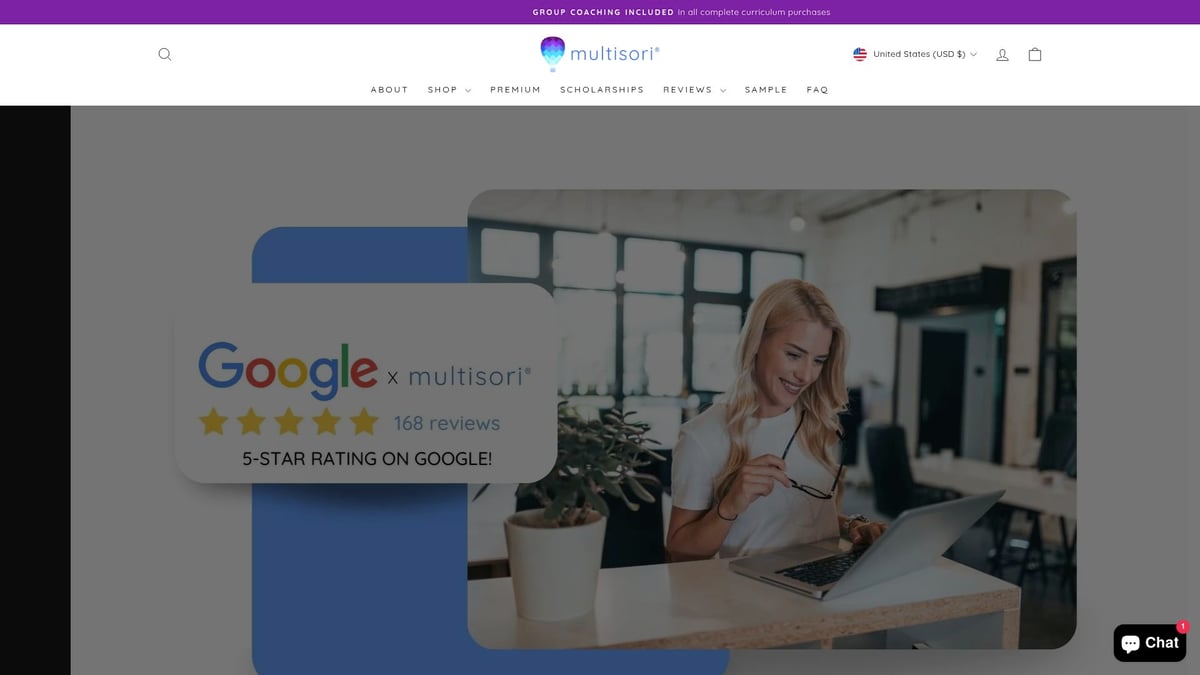
Key benefits include:
- 5-star rated resources with no training required
- Customizable lesson plans for diverse learners
- Global access to Montessori tools and support
For example, families can create a Montessori-inspired environment at home, fostering independence and curiosity as part of their complete homeschool curriculum.
Financial Planning and Curriculum Budgeting
Budgeting is a crucial part of building a complete homeschool curriculum. Costs can vary, but careful planning helps maximize value. Consider expenses for curriculum materials, extracurriculars, and technology, and look for free or low-cost resources.
Here is a sample budget for a family with two children:
| Category | Estimated Cost (Annual) |
|---|---|
| Core Curriculum | $600 |
| Electives | $300 |
| Supplies | $200 |
| Technology | $250 |
| Field Trips | $150 |
| Total | $1,500 |
Explore scholarships and payment plans to make your complete homeschool curriculum both effective and affordable.
Trends and Innovations in Homeschool Curriculum for 2026
Homeschooling is evolving at a rapid pace, with families seeking more flexible and effective ways to create a complete homeschool curriculum. As demand grows, new trends are shaping how parents plan, teach, and support their children. Understanding these innovations ensures your curriculum meets the needs of 2026 and beyond.
Personalized and Adaptive Learning
Personalized and adaptive learning is transforming the landscape for homeschoolers. AI-driven platforms now analyze student progress and adjust lessons, providing a truly tailored experience. This approach helps each learner master concepts before moving forward, reducing frustration and boosting confidence.
With the rise in homeschooling, as seen in the Homeschooling growth surges to 5.4% in 2024-2025 report, more families are seeking a complete homeschool curriculum that adapts to individual needs. Programs with real-time feedback and custom pacing are quickly becoming essential tools for 2026.
Microlearning and Modular Curriculum
Microlearning breaks subjects into short, focused lessons, making it easier for busy families to keep up. Modular curriculum options allow you to mix and match topics, building a complete homeschool curriculum that fits your schedule and priorities.
This method is especially helpful for children who need extra time on certain concepts or families who travel frequently. Many providers now offer bite-sized units in math, language arts, and science, so you can select only what you need without feeling overwhelmed.
| Modular Curriculum Benefits | Microlearning Advantages |
|---|---|
| Customizable subjects | Quick, focused lessons |
| Flexible scheduling | Reduces cognitive overload |
| Easy to update or expand | Better retention for learners |
Global and Multicultural Education
Preparing students for a globalized world is a growing priority. Integrating world history, languages, and cultural studies into your complete homeschool curriculum helps develop empathy and global awareness.
Many 2026 curricula feature bilingual resources and international literature. Families now have access to virtual exchanges, allowing children to connect with peers worldwide. This shift not only enriches academics but also prepares students to thrive in diverse environments.
Project-Based and Experiential Learning
Project-based learning brings subjects to life with hands-on activities. A complete homeschool curriculum in 2026 often includes science fairs, community service, and entrepreneurship projects that foster critical thinking and real-world skills.
Experiential learning is proven to deepen understanding and make lessons memorable. Whether building a model ecosystem or launching a small business, students gain confidence through active participation and problem-solving.
Mental Health and Wellbeing in Homeschooling
Mental health is central to effective homeschooling. More families are choosing a complete homeschool curriculum that incorporates mindfulness, social-emotional learning, and daily wellbeing practices.
Recent studies show homeschoolers report higher levels of wellbeing compared to traditional students. Activities like guided meditation, gratitude journals, and open discussions about emotions are now standard features. These tools help children manage stress and build resilience for lifelong success.
Parental Support and Ongoing Professional Development
Supporting parents is just as important as supporting students. In 2026, a complete homeschool curriculum often includes access to parent training, webinars, and national conferences.
Ongoing professional development empowers parents to stay current with best practices and new resources. Connecting with expert networks and support groups ensures you can confidently guide your child's learning journey, even as educational trends continue to evolve.
As you embark on your homeschooling journey and explore the step by step roadmap for 2026, having the right resources can make all the difference. With so many curriculum options and planning tools out there, it helps to see firsthand what a comprehensive, Montessori based approach looks like in practice. To support your decision making and give you a clear starting point, you can access a free sample of Multisori’s acclaimed curriculum. This sample is designed to help you envision how a thoughtfully crafted Montessori experience can be brought into your own home. Ready to take the next step Download our Free Curriculum Sample Now


