
8 Best Elementary Homeschool Curriculum Picks for 2026
Feeling overwhelmed by the sheer number of elementary homeschool curriculum choices for 2026? You are not alone. Selecting the right program can seem like navigating a maze, but clarity is within reach.
This guide presents the 8 best elementary homeschool curriculum options for 2026, each carefully reviewed for quality, adaptability, and educational value. Explore top-rated programs that embrace a variety of teaching philosophies, delivery methods, and unique benefits.
Ready to simplify your search and empower your child’s learning journey? Let’s discover which curriculum will help your family thrive.
What Makes a Great Elementary Homeschool Curriculum in 2026?
Choosing an elementary homeschool curriculum in 2026 is a significant decision. Families want a program that not only covers academic essentials but also adapts to each child's needs and the realities of modern homeschooling. To make an informed choice, it's important to understand what sets the best curricula apart.
Key Criteria for Evaluating Curriculum
A standout elementary homeschool curriculum aligns with current educational standards while remaining flexible for different family needs. Look for comprehensive coverage of core subjects such as math, reading, science, and social studies, as well as enrichment opportunities in the arts, languages, and STEM. Programs should be easy for parents to implement, whether open-and-go or requiring some preparation.
Adaptability is crucial, especially if you have children with special needs or advanced learners. Ongoing updates and access to community support can make a significant difference. For those seeking ease of use, consider exploring Open-and-Go Montessori Homeschooling, which demonstrates how minimal-prep curricula can simplify your daily routine. Ultimately, the right elementary homeschool curriculum should empower both students and parents.
Trends Shaping Homeschool Curriculum in 2026
The landscape for elementary homeschool curriculum is rapidly evolving. Digital and hybrid learning solutions have gained popularity, offering interactive experiences and personalized learning paths. There is a growing demand for secular and faith-neutral options, allowing families to align education with their values.
Adaptive technology enables tailored instruction, while social-emotional learning and project-based activities are now integral parts of many programs. Real-world skills, such as critical thinking and collaboration, are being woven into lessons more than ever before. These trends ensure that an elementary homeschool curriculum stays relevant and prepares students for future challenges.
Common Homeschooling Challenges and Solutions
Homeschooling presents unique challenges, but the right elementary homeschool curriculum can help families overcome them. Parent overwhelm is common, so guided lesson plans and responsive support are essential. Socialization concerns are addressed through co-ops, online communities, and integrating field trips into the curriculum.
Managing screen time is a priority, which is why many curricula now blend digital resources with hands-on learning. Navigating state regulations and documentation is easier with programs that offer clear tracking tools and compliance guidance. By choosing thoughtfully designed resources, families can turn obstacles into opportunities for growth.
How to Match Curriculum to Your Child’s Needs
Selecting an elementary homeschool curriculum means considering your child’s learning style, interests, and strengths. Reflect on whether your family prefers Montessori, classical, or eclectic methods. Multi-age or multi-grade teaching is possible with flexible programs, making it easier to teach siblings together.
Budget and parental teaching confidence are also key factors. Some families may prioritize open-and-go solutions, while others enjoy customizing lessons. By evaluating these factors, you can find an elementary homeschool curriculum that fits both your child’s educational journey and your family’s lifestyle.
8 Best Elementary Homeschool Curriculum Picks for 2026
Choosing an elementary homeschool curriculum in 2026 can be transformative for your family’s educational journey. Each program below has been reviewed for its quality, flexibility, and ability to meet diverse learning needs. Whether you prefer hands-on Montessori, online learning, or literature-based instruction, this list offers a solution for every style and situation. Explore the detailed breakdowns to find the elementary homeschool curriculum that fits your goals, values, and your child’s unique learning path.
Multisori Montessori Homeschool Curriculum
For families seeking a hands-on, child-centered elementary homeschool curriculum, Multisori’s Montessori option stands out. Pricing is flexible, with digital curriculum options offered at a 30% discount during major sales and payment plans available. Scholarships and free samples make it accessible to a wide range of families.
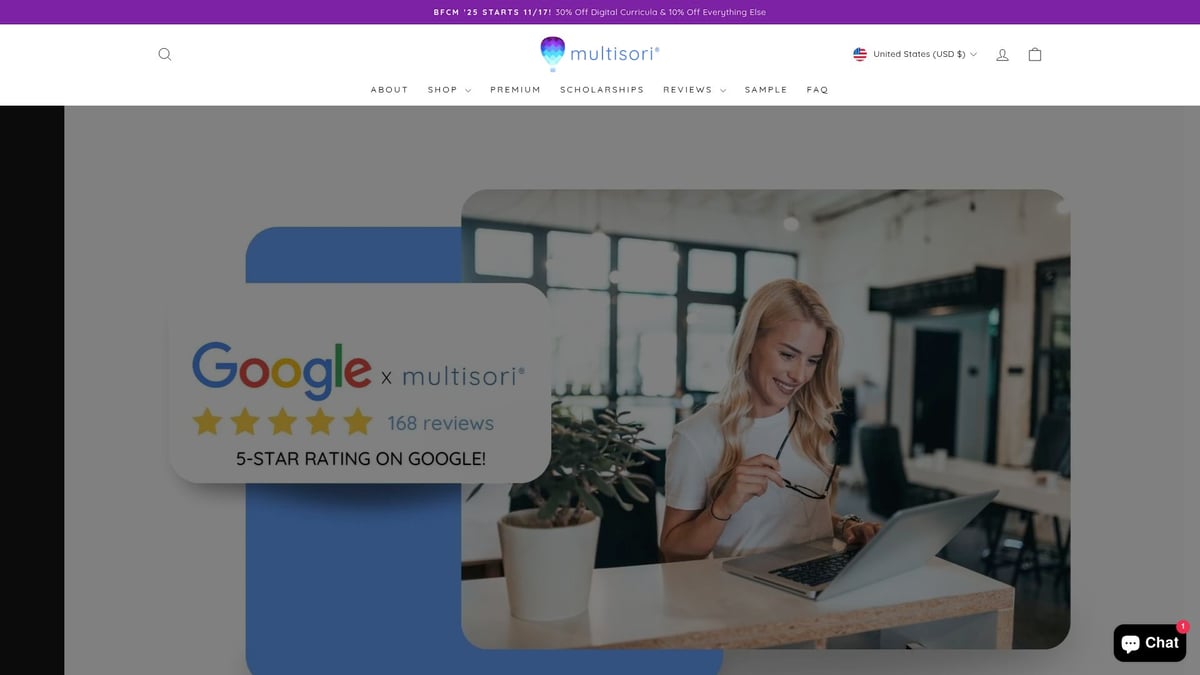
Core features include an authentic Montessori approach, highly rated materials, printable manipulatives, and certified Montessori furniture. Scripted presentations guide parents step by step, making the program approachable even for those without a Montessori background. Ongoing access to certified mentors ensures you are never alone in your homeschooling journey.
The key benefit of this elementary homeschool curriculum is its low-prep, open-and-go nature. Parents appreciate the comprehensive support and the ability to customize lessons according to their child’s pace and interests. Multisori’s global reach and reputation as the only five-star Montessori curriculum on Google add to its credibility.
Targeted at parents and educators of toddlers through lower elementary, it is especially strong for those seeking an authentic Montessori experience at home or in small group settings. The curriculum’s adaptability also benefits families teaching multiple children.
Pros include affordability, flexibility, and robust mentorship. A potential drawback is that the Montessori approach may not suit every child’s learning style, and specific product pricing may require further inquiry.
A unique feature is the inclusion of certified Montessori furniture, enhancing the home learning environment. Families new to Montessori can confidently implement a proven system without formal training. For more details on what a lower elementary Montessori experience looks like, explore the Lower Elementary Montessori Curriculum.
K12 Online Elementary School
K12 offers a structured, accredited elementary homeschool curriculum that brings the classroom to your living room. Many states provide tuition-free public options, while private school choices vary in cost.
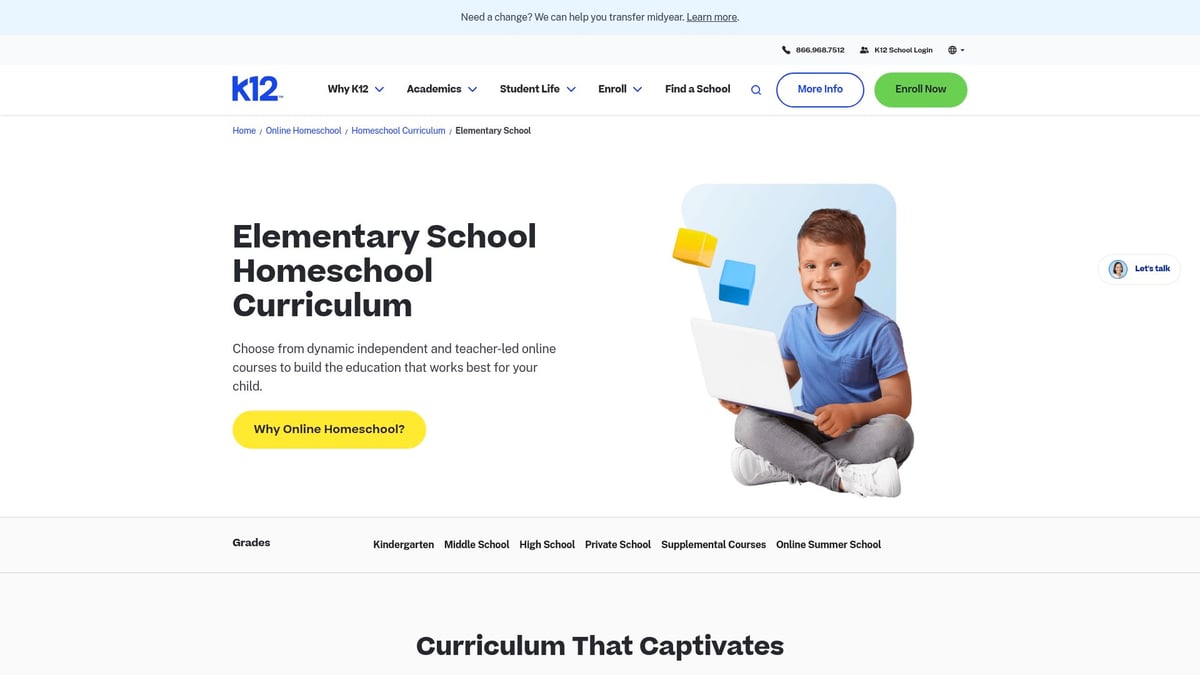
The curriculum features live online classes, certified teachers, and a wide range of electives and enrichment opportunities. Personalization is central, with flexible pacing and individualized learning plans that adapt to each student’s needs.
K12 supports advanced learners and those requiring special education services, making it a comprehensive choice for diverse families. Robust parent and student resources make managing the elementary homeschool curriculum straightforward.
The main benefit is the blend of flexibility and structure, appealing to families who want the reassurance of accreditation and real-time instruction. Military families and those who relocate frequently value the continuity and accredited transcripts.
Pros include comprehensive support, a strong academic reputation, and real-time engagement. On the downside, the program may require more screen time than print-based alternatives and offers less flexibility for unschoolers.
K12’s leadership in online education since 2000 and dual public/private enrollment options set it apart. Its strong focus on student safety and achievement makes it a top contender for many families seeking a reliable elementary homeschool curriculum.
Math With Confidence
Math With Confidence is a mastery-based elementary homeschool curriculum for math, designed to build solid skills and confidence from kindergarten through grade six. Each grade level costs about $40–$50, with instructor and student books sold separately.
The curriculum offers scripted lessons, hands-on activities, and engaging games, making math approachable for parents and enjoyable for children. Its open-and-go format minimizes prep time, allowing families to focus on learning rather than planning.
A major benefit is the program’s clarity and structure. Parents new to teaching math find the step-by-step guidance invaluable, while experienced homeschoolers appreciate the strong conceptual foundation it provides.
Math With Confidence is ideal for families who want an elementary homeschool curriculum that avoids math anxiety and fosters true understanding. The program is praised for adapting to different learning speeds and needs.
Pros include affordability, clear instructions, and suitability for both new and seasoned homeschoolers. The main limitation is its focus solely on math, so additional resources are needed for other subjects, and it does not offer a digital option.
Created by renowned math educator Kate Snow, this curriculum stands out for its effectiveness and accessibility. It is a dependable choice for building mathematical confidence in any elementary homeschool curriculum.
The Good and the Beautiful Language Arts
The Good and the Beautiful delivers a comprehensive language arts elementary homeschool curriculum that integrates reading, writing, grammar, art, and literature. Many levels are available as free downloadable PDFs, with print sets priced between $30 and $60.
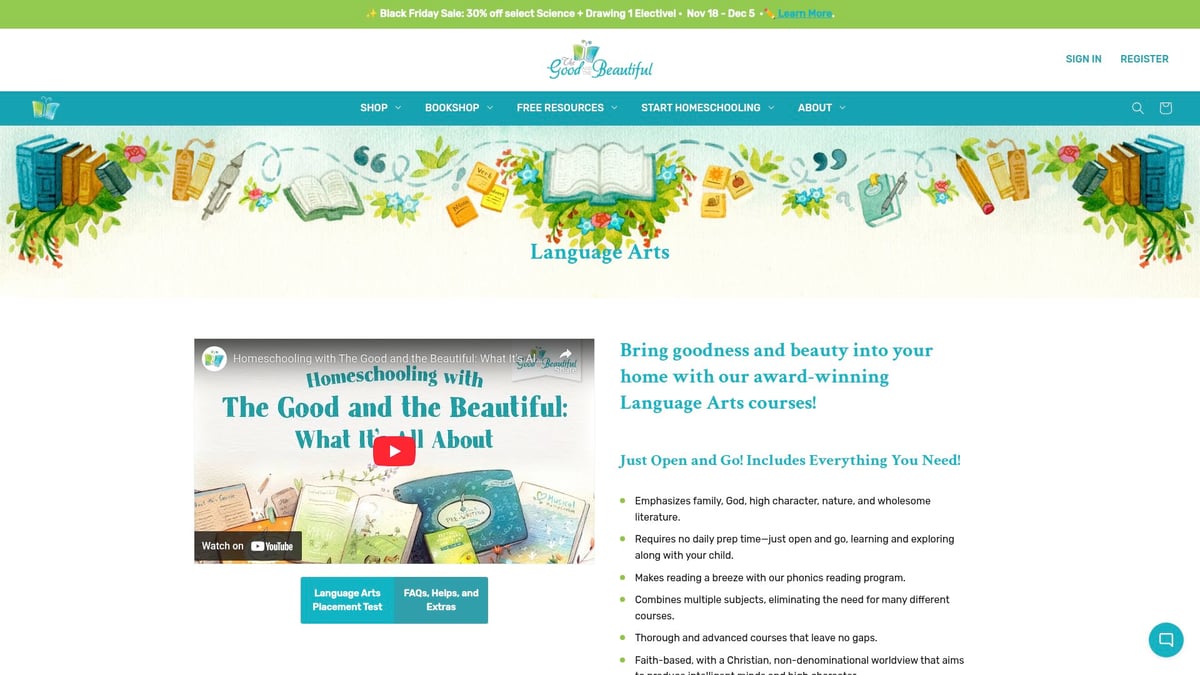
Core features include beautiful illustrations, open-and-go lessons, and a gentle, literature-rich approach rooted in Christian values. The curriculum’s self-paced structure allows families to progress according to their child’s abilities.
A key advantage is the integration of multiple subjects, making it efficient for busy families. The strong emphasis on phonics and reading comprehension helps children develop essential literacy skills within a nurturing context.
This elementary homeschool curriculum is ideal for Christian families seeking a holistic, art-infused program. Sibling kits and multi-age resources streamline teaching for families with multiple children.
Pros are its affordability, engaging content, and minimal prep requirements. However, the faith-based content may not align with secular families, and there is less customization for advanced learners.
Unique to The Good and the Beautiful is its blend of language arts with art and nature study, all at a low cost. Families value the gentle, integrated approach this elementary homeschool curriculum brings to their home.
BookShark Secular All-Subject Packages
BookShark offers a secular, literature-based elementary homeschool curriculum designed for families who love reading aloud. Full-year packages range from $900–$1,500 and include instructor guides, student books, and hands-on materials.
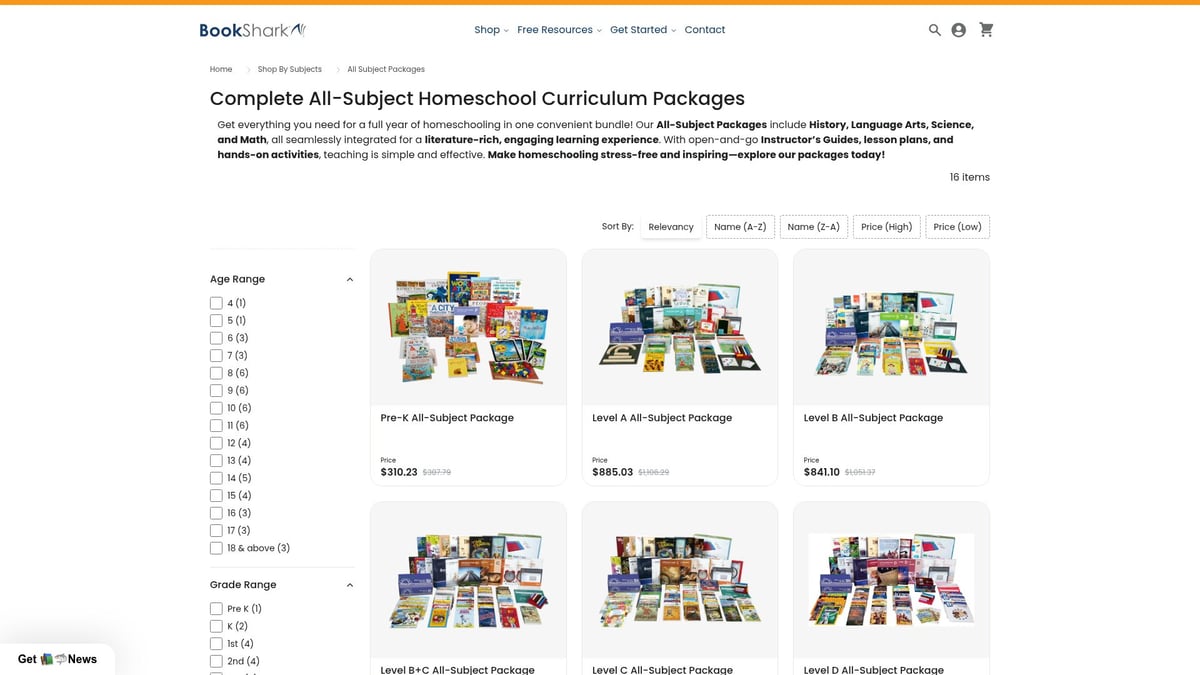
Key features are its open-and-go instructor guides, customizable schedules, and comprehensive coverage of reading, history, science, math (via partner programs), and language arts. The curriculum is flexible enough to teach multiple grades together, making it efficient for larger families.
The main benefit is the use of high-quality living books to foster a love of learning. Daily schedules and strong community support help parents stay organized and motivated.
BookShark’s elementary homeschool curriculum is perfect for families seeking a secular alternative that doesn’t compromise on literature or engagement. It is especially suited for teaching siblings of different ages together.
Pros include comprehensive packages, adaptable plans, and a rich book selection. The primary con is the higher upfront cost and the need for parent read-aloud time.
A unique selling point is its status as a secular counterpart to Sonlight, with customizable options to fit diverse needs. Parents who value reading and want a “done-for-you” elementary homeschool curriculum will find BookShark a top contender.
All About Spelling
All About Spelling is a multisensory, Orton-Gillingham-based elementary homeschool curriculum focused on spelling mastery. Each level costs $44.95, with some additional materials required for hands-on activities.
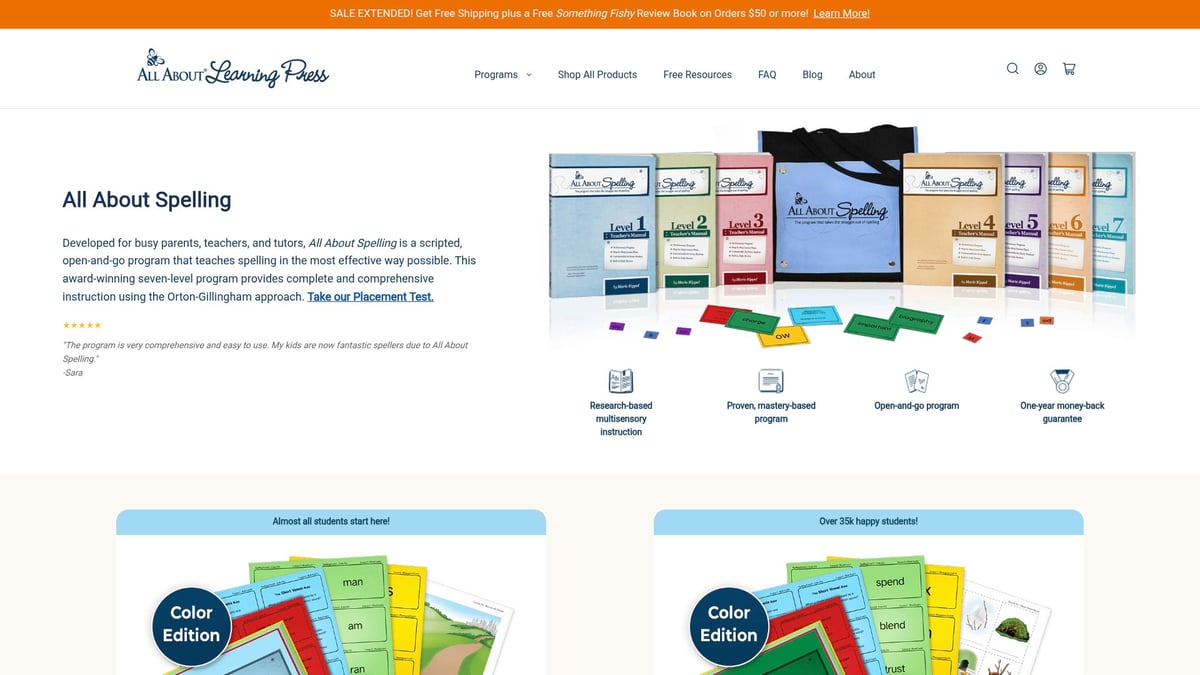
The program features scripted, step-by-step lessons that guide parents through teaching spelling, using tactile tiles and activities to reinforce learning. It is highly structured yet flexible, adapting to each child’s pace.
This elementary homeschool curriculum is particularly effective for struggling spellers and children with dyslexia, offering a research-backed approach that builds confidence and lasting skills. Minimal prep is needed, allowing parents to focus on instruction.
Targeted at elementary students who need extra spelling support, the curriculum is also suitable for children with diverse learning needs. It is praised for its clear progression and adaptability.
Pros include proven success with reluctant spellers, ease of use, and the ability to tailor lessons. The main drawback is that it covers only spelling, so families will need to supplement with other language arts resources.
All About Spelling’s unique multisensory approach and mastery-based structure make it a standout choice for any elementary homeschool curriculum, especially for those tackling spelling challenges.
Moving Beyond the Page
Moving Beyond the Page provides an interdisciplinary, project-based elementary homeschool curriculum designed to spark creativity and critical thinking. Packages range from $400 to over $1,000 per year, depending on grade and materials.
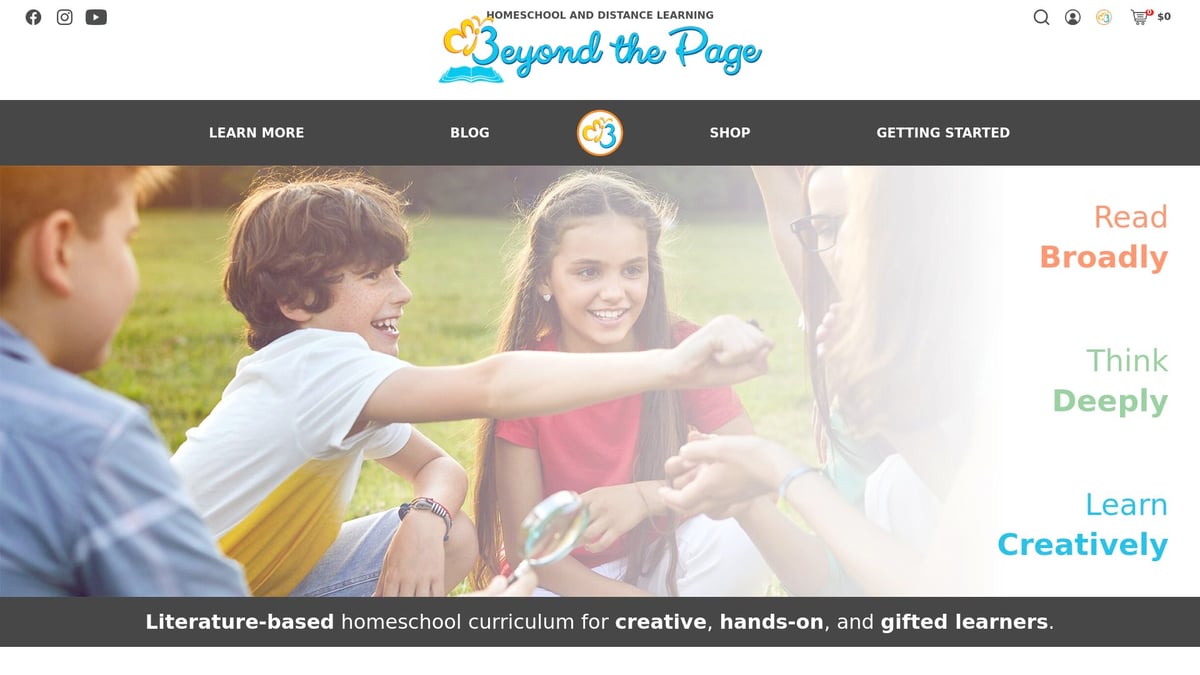
Core features include thematic units that integrate science, social studies, and language arts through hands-on activities and real-world projects. This approach fosters independence and deeper understanding, particularly for gifted and twice-exceptional learners.
A major benefit is the curriculum’s flexibility, allowing children to explore topics in depth and at their own pace. The program supports advanced learners and provides opportunities for creative, experiential learning.
Moving Beyond the Page is ideal for families seeking an alternative to traditional textbooks and a dynamic, interactive elementary homeschool curriculum. It is especially effective for hands-on, creative learners.
Pros are its engagement, interdisciplinary focus, and support for advanced students. The higher cost and increased parent involvement, especially for younger children, may be considered drawbacks.
A unique selling point is the emphasis on connecting learning to real life through projects and critical thinking. Families wanting a vibrant, project-based elementary homeschool curriculum will find Moving Beyond the Page a compelling option.
Ordinary Parent’s Guide to Teaching Reading
The Ordinary Parent’s Guide to Teaching Reading is a straightforward, phonics-based elementary homeschool curriculum for teaching reading. The instructor guide is about $30, with a student workbook for around $15.
Scripted lessons make it easy for parents to deliver systematic instruction, from basic sounds to fluent reading. The open-and-go format requires little preparation, making it accessible for busy families or those new to homeschooling.
This elementary homeschool curriculum is effective for both early readers and those with reading challenges, offering a clear progression and proven results. It is adaptable for different paces and learning styles.
The program’s simplicity and affordability are major pros, while the focus solely on reading (not full language arts) and less visual interactivity may be limitations for some learners.
Created by respected home education experts, the curriculum is celebrated for its clarity and consistent results. Many families report success with both early and struggling readers, making it a reliable addition to any elementary homeschool curriculum plan.
How to Choose the Best Curriculum for Your Family
Selecting the best elementary homeschool curriculum for your unique situation can feel overwhelming, but a methodical approach makes all the difference. By carefully evaluating your family's needs, budget, and support systems, you can confidently choose a curriculum that fosters growth and engagement for every learner.
Assessing Your Family’s Unique Needs
Begin by reflecting on each child’s learning style, strengths, and challenges. Some children thrive with visual aids, while others need hands-on experiences. Consider your family schedule and how much time you can dedicate daily to an elementary homeschool curriculum.
Think about your values and educational philosophy. Do you prefer structured programs or a more flexible, child-led approach? Planning for siblings or multi-age groups is also essential, as some curricula are better suited for teaching multiple grades together.
Reviewing recent homeschool growth trends can offer helpful context, showing how families like yours are adapting their approaches. Understanding these factors helps ensure your elementary homeschool curriculum aligns with your family’s reality and goals.
Budgeting and Planning for Curriculum Expenses
Budgeting is a crucial step when selecting an elementary homeschool curriculum. Compare upfront costs with long-term value, such as whether materials can be reused or resold. Look for discounts, scholarships, or flexible payment plans offered by curriculum providers.
Assess what is included in the price. Does the program offer teacher support, manipulatives, or digital access? Consider the cost of necessary supplements or enrichment activities, like art supplies or science kits.
Creating a simple table can help you compare options:
| Curriculum | Upfront Cost | Reusable Materials | Support Included |
|---|---|---|---|
| Curriculum A | $300 | Yes | Yes |
| Curriculum B | $120 | No | No |
Analyzing these factors ensures your elementary homeschool curriculum fits both your educational goals and your financial plan.
Mixing and Matching for a Custom Approach
Many families find success by blending resources to tailor their elementary homeschool curriculum. Combine core programs with specialty materials in areas like math, reading, or STEM to address individual strengths and interests.
Leverage free or affordable supplements, such as library books, educational websites, and field trips. Adjust your approach for special needs, giftedness, or learning differences to maintain a balanced experience.
A custom strategy can look like this:
- Core curriculum for math and language arts
- Hands-on science kits
- Art lessons from online platforms
- Local co-op classes for enrichment
This flexibility allows your elementary homeschool curriculum to evolve as your child’s needs change, ensuring a dynamic and engaging learning journey.
Getting Support and Building Community
Support and community are vital to long-term homeschooling success. Join local co-ops, online forums, or curriculum-specific groups to exchange ideas and encouragement. Many curriculum providers offer mentorship and responsive customer service.
Participating in events, workshops, or conventions can spark inspiration and provide networking opportunities. For practical, real-world advice, explore resources like the Montessori Homeschooling in Real Life Blog, where experienced families share their journeys and tips.
Tuning into podcasts, blogs, or YouTube channels can also help you stay current with trends and best practices. Embracing community resources will enrich your elementary homeschool curriculum experience and sustain your motivation.
Frequently Asked Questions About Elementary Homeschool Curriculum
Choosing the right elementary homeschool curriculum can spark plenty of questions, especially as families navigate new trends and diverse student needs. Below, you will find answers to some of the most common concerns, empowering you to make informed decisions for your homeschool journey.
What Is the Difference Between Open-and-Go and Parent-Led Curricula?
When exploring elementary homeschool curriculum options, you’ll notice two main approaches: open-and-go and parent-led. Open-and-go programs are designed for simplicity, providing scripted lessons and ready-to-use materials with minimal planning. Parent-led curricula, on the other hand, require more preparation and customization, allowing you to tailor lessons to your child’s pace and interests.
| Type | Prep Required | Flexibility | Best For |
|---|---|---|---|
| Open-and-go | Minimal | Moderate | New homeschoolers, busy parents |
| Parent-led | More | High | Experienced, hands-on families |
If you're seeking a comprehensive solution for Montessori education, consider exploring What's a Complete Montessori Homeschool Curriculum for an in-depth look at open-and-go options. Families often mix both styles, combining structure and flexibility to meet each child’s needs with their elementary homeschool curriculum.
How Can I Ensure My Child Is Meeting Grade-Level Standards?
To confirm your elementary homeschool curriculum aligns with grade-level expectations, select programs with a clear scope and sequence based on state or national standards. Many curricula provide built-in assessments and progress tracking tools, making it easier to monitor growth.
Regular reviews, portfolio documentation, and standardized tests can also help keep your child on track. For families interested in staying ahead of educational trends and compliance, resources like Homeschooling in 2025: Trends to Watch offer valuable insights into evolving standards and technology integration. Accredited umbrella schools or online programs may provide additional accountability for your elementary homeschool curriculum.
What About Socialization and Extracurriculars?
A common concern with any elementary homeschool curriculum is ensuring children have opportunities for socialization and extracurricular activities. Homeschool families frequently join co-ops, clubs, and sports teams to build friendships and develop social skills.
Many modern curricula include group projects or encourage field trips, making it easy to connect learning with real-world experiences. Online communities and local meetups also support social growth. By integrating these activities, your elementary homeschool curriculum can foster well-rounded development beyond academics.
Can I Switch Curriculum Mid-Year if It’s Not Working?
Yes, you can change your elementary homeschool curriculum during the year if it doesn’t fit your child’s needs. Signs that a switch may be necessary include ongoing frustration, boredom, or lack of progress. Start by identifying what isn’t working, then research alternatives or supplement with new resources.
Transitioning smoothly involves open communication with your child, gradual changes, and leveraging support from homeschool networks. Many families find success mixing programs or trying trial periods before fully committing. Flexibility is a hallmark of homeschooling, allowing you to adjust your elementary homeschool curriculum for the best possible learning experience.
After exploring the top elementary homeschool curriculum picks for 2026, you might still wonder which approach will truly fit your child’s needs and your family’s unique rhythm. I know how important it is to see and feel the difference a well-crafted program can make—especially one designed for real homes and real parents. If you’re curious about how an authentic Montessori curriculum could work for you, why not take a closer look? You can get a firsthand feel for the quality and flexibility we've discussed by simply Download our Free Curriculum Sample Now.


