
9 Best Homeschool Program Reviews for Families in 2026
Homeschooling has seen remarkable growth in recent years, with more families seeking flexible and innovative educational choices for their children in 2026.
As options expand, finding the right fit can be overwhelming. In this article, we provide comprehensive homeschool program reviews that highlight the nine best choices for families today.
You will discover a mix of secular, faith-based, Montessori, and creative learning programs, each with unique strengths and tailored features. By exploring these detailed reviews, you can confidently select the program that aligns with your family's needs and educational goals.
Key Criteria for Evaluating Homeschool Programs
Selecting the best option from the many homeschool program reviews can seem overwhelming. To guide families, it is essential to evaluate each program using a clear set of criteria. The following sections break down what matters most, ensuring you make a confident, informed decision.
Curriculum Flexibility and Customization
A top concern in homeschool program reviews is how well a curriculum can adapt to different learning styles and schedules. Families often need the freedom to adjust pacing, choose subjects, and tailor lessons for each child.
Many programs provide modular or self-paced options, allowing learners to progress at their own speed. According to NHERI (2024), 68% of homeschool families say flexibility is a priority.
For those exploring various educational approaches, understanding the range of homeschooling styles can help in finding the most adaptable fit.
Accreditation and Academic Rigor
Accreditation is crucial in homeschool program reviews, especially for families concerned about college admissions or meeting state requirements. Accredited programs often provide transcripts that colleges accept, and some offer NCAA-approved courses for student-athletes.
Families can choose between secular or faith-based curricula, depending on their values. Data shows students from accredited programs have higher college acceptance rates, making this factor significant for long-term planning.
Support and Community Resources
Access to support and community resources is another vital aspect when comparing homeschool program reviews. Quality programs offer teacher support, coaching, and opportunities for peer interaction.
Some platforms provide live help, while others rely on asynchronous messaging or recorded sessions. Parent forums, group projects, and virtual clubs create a sense of belonging and help families share insights and encouragement.
Technology Integration and Accessibility
Modern homeschool program reviews often highlight technology integration. Digital platforms, educational apps, and even offline materials allow families to learn anywhere, on any device.
Accessibility is key for households with varying internet speeds or device types. According to the Homeschool Legal Defense Association (2025), 74% of homeschoolers use blended learning tools, combining online and offline resources.
Pricing, Scholarships, and Affordability
Affordability is a major consideration in homeschool program reviews. Programs use various pricing models, including subscriptions, one-time purchases, and tiered plans. Scholarships and payment options can ease the financial burden.
Here is a quick overview:
| Pricing Model | Typical Range | Notes |
|---|---|---|
| Monthly Subscription | $24.95–$39.95/mo | Flexible, easy to cancel |
| One-Time Purchase | $500–$1,200/year | Upfront investment |
| Tiered/Custom Plans | Varies | Often includes add-ons |
According to the U.S. Census Bureau (2025), the average annual cost per child is $700–$1,800.
9 Best Homeschool Program Reviews for Families in 2026
Choosing the right homeschool program can transform your family's educational journey. With so many options available, it is essential to rely on trusted homeschool program reviews to guide your decision. Below, explore detailed reviews of the nine best homeschool programs for 2026, each offering unique benefits, features, and value for diverse learning needs.
Multisori Montessori Homeschool Curriculum
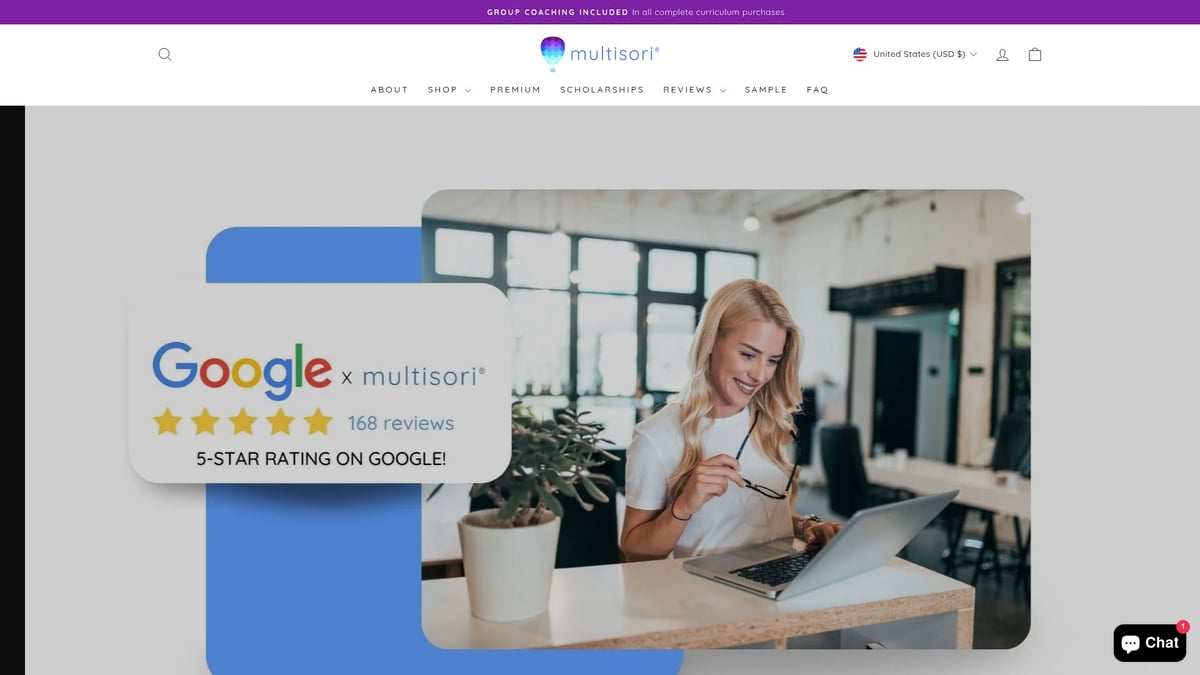
Multisori offers a comprehensive Montessori homeschool solution for families with children ages 1.5 to 9. The curriculum is authentic, globally accessible, and includes printable manipulatives and certified Montessori furniture. Flexible payment plans, scholarships, and free shipping on premium products make it accessible to a wide audience.
Key Features:
- Authentic Montessori approach
- Free sample curriculum
- Group coaching and ongoing expert support
- Five-star ratings from parents
Pros:
- User-friendly, customizable, and affordable
- No training required for parents
- Excellent for co-ops and international users
Cons:
- Focused on early childhood and primary years
- Not suitable for older students
Multisori stands out in homeschool program reviews due to its focus on hands-on, child-centered learning. Families interested in what makes a complete Montessori program can explore the Montessori homeschool curriculum overview for further details.
Time4Learning
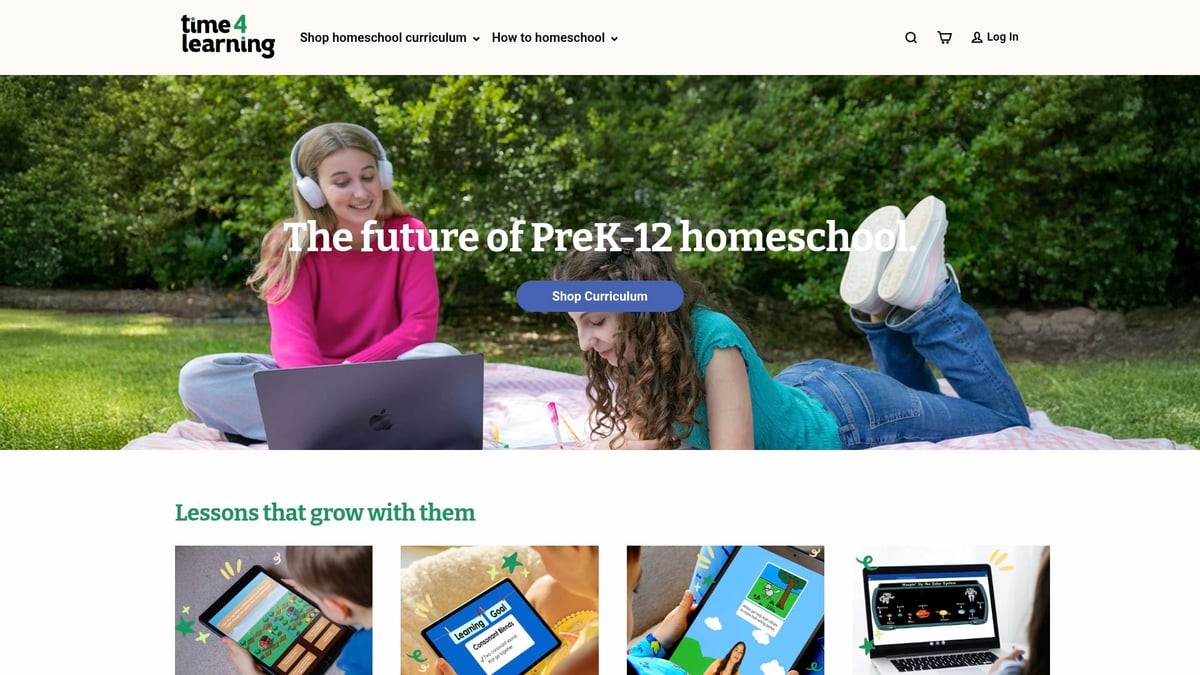
Time4Learning is a popular online platform serving PreK through 12th grade. It features interactive lessons, automated grading, and a parent dashboard for easy progress tracking. The monthly subscription model provides flexibility for families.
Key Features:
- Covers all grade levels
- Self-paced, secular curriculum
- Robust support for special needs learners
Pros:
- Flexible, wide subject coverage
- Easy to use and manage
- Affordable monthly pricing
Cons:
- Limited live teacher interaction
- Some families may want more structured guidance
Homeschool program reviews often praise Time4Learning for its adaptability and ease of use, making it ideal for busy families and those with diverse learning needs.
K12 Private Academy
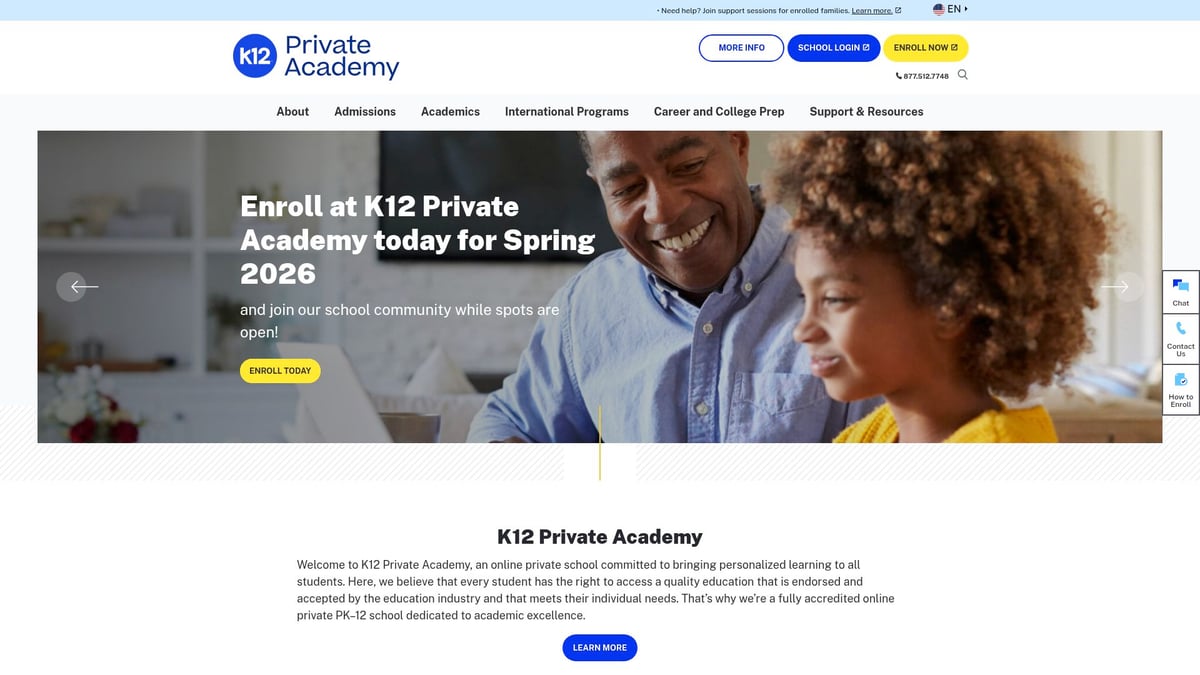
K12 Private Academy delivers an accredited online private school experience with certified teachers and NCAA-approved courses. Tuition starts at $4,995 per year, with payment plans to help families manage costs.
Key Features:
- Accredited diploma program
- Teacher-led instruction
- College prep focus
Pros:
- Comprehensive academic support
- Structured, with strong recordkeeping
- Well-recognized accreditation
Cons:
- Higher cost
- Less flexibility in scheduling
Families seeking structured, academically rigorous options often highlight K12 in homeschool program reviews, especially for college-bound students who require accreditation and certified instruction.
Oak Meadow
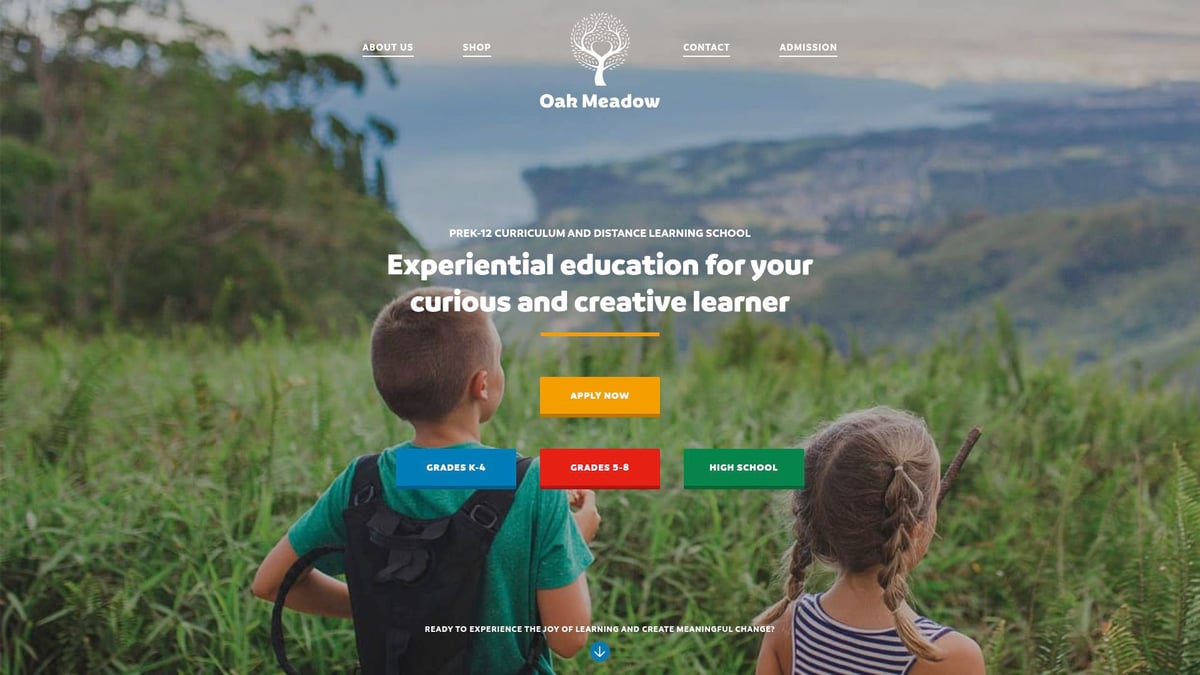
Oak Meadow provides a Waldorf-inspired, secular curriculum for grades K–12. Its project-based approach fosters creativity, critical thinking, and a connection to nature.
Key Features:
- Hands-on, holistic curriculum
- Flexible packages, teacher services optional
- Supportive parent and student community
Pros:
- Engaging and adaptable
- Strong emphasis on creativity
- Nature-focused, project-rich learning
Cons:
- Teacher support requires additional fees
- Higher upfront curriculum cost
Oak Meadow consistently earns positive homeschool program reviews for its creative approach and supportive community, appealing to families who value hands-on, holistic education.
Abeka Academy
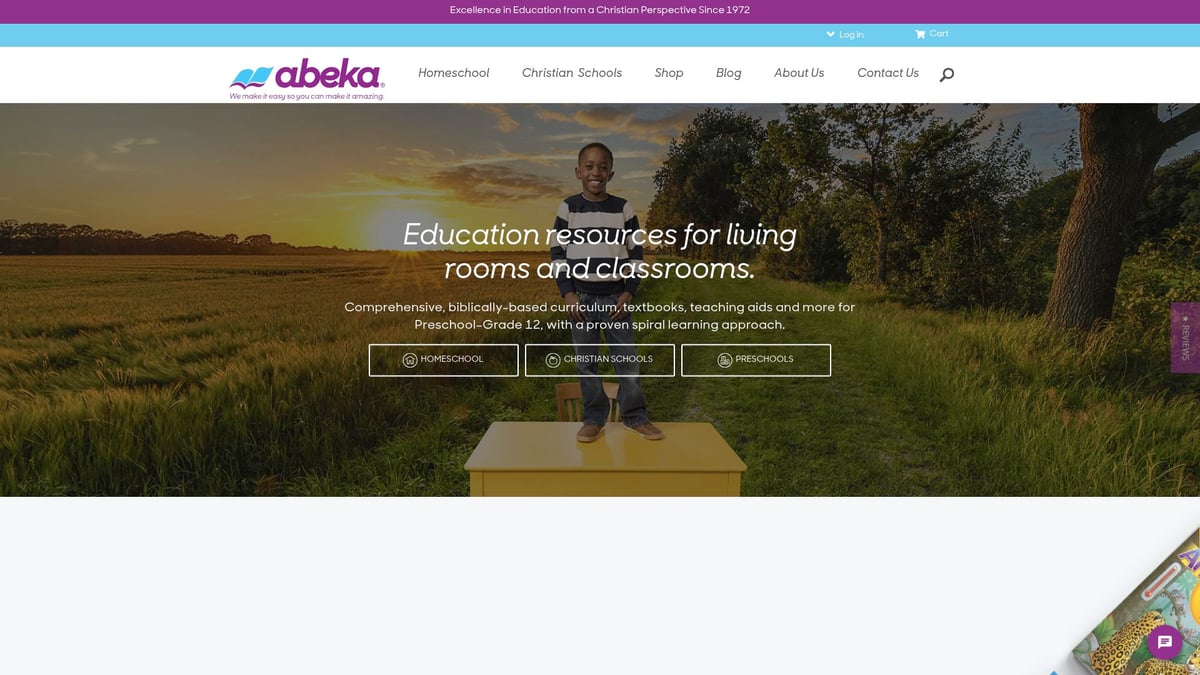
Abeka Academy is a faith-based homeschool program known for its structured, traditional education model. The program offers full-grade kits starting at $1,025, with video streaming options for an additional fee.
Key Features:
- PreK–12, Christian curriculum
- Video lessons and textbooks
- Strong academic rigor
Pros:
- Comprehensive and easy to follow
- Established reputation
- Traditional, structured learning
Cons:
- Less flexibility in content
- Religious focus may not suit everyone
Homeschool program reviews frequently mention Abeka's strong academic standards and clear structure, making it a preferred choice for Christian families.
Power Homeschool
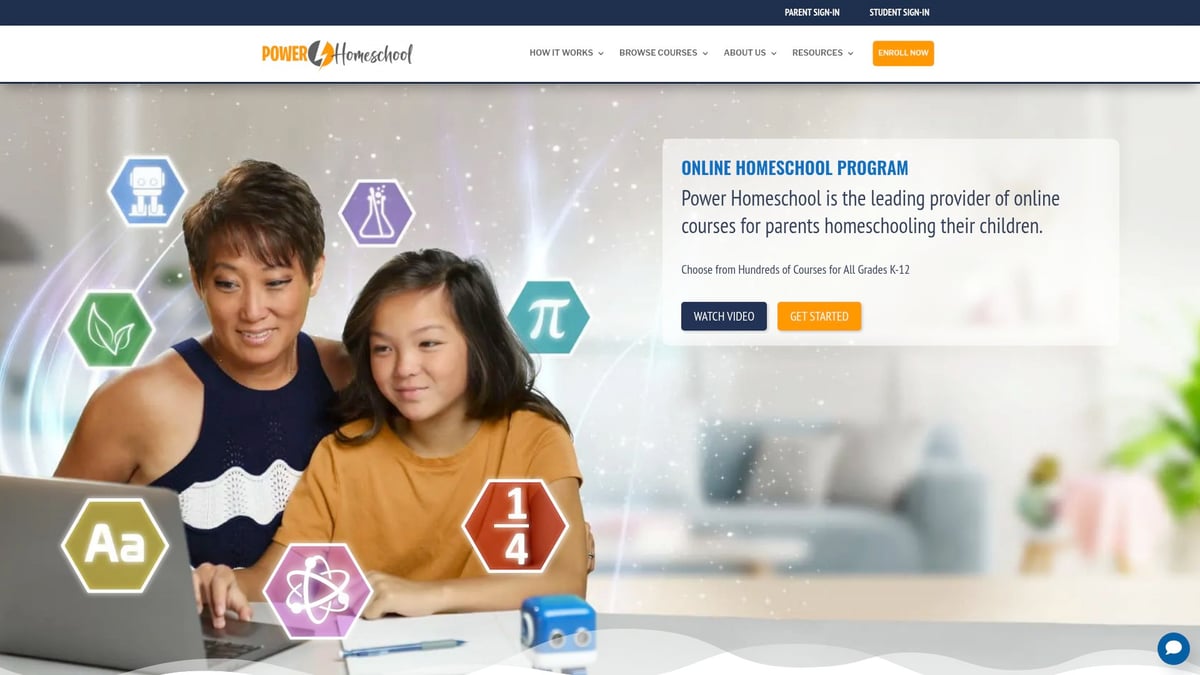
Power Homeschool delivers a flexible, video-based curriculum for grades K–12 at $25 per month per student. The platform offers a wide range of subjects, self-paced learning, and a user-friendly parent portal.
Key Features:
- Affordable monthly pricing
- Automated grading and reporting
- Wide course selection
Pros:
- Budget-friendly and easy to set up
- Covers all grade levels
- Customizable pace
Cons:
- Limited live support
- Basic interface
Families praise Power Homeschool in homeschool program reviews for its affordability and comprehensive subject offerings, especially for those seeking a low-cost, all-in-one solution.
The Good and the Beautiful
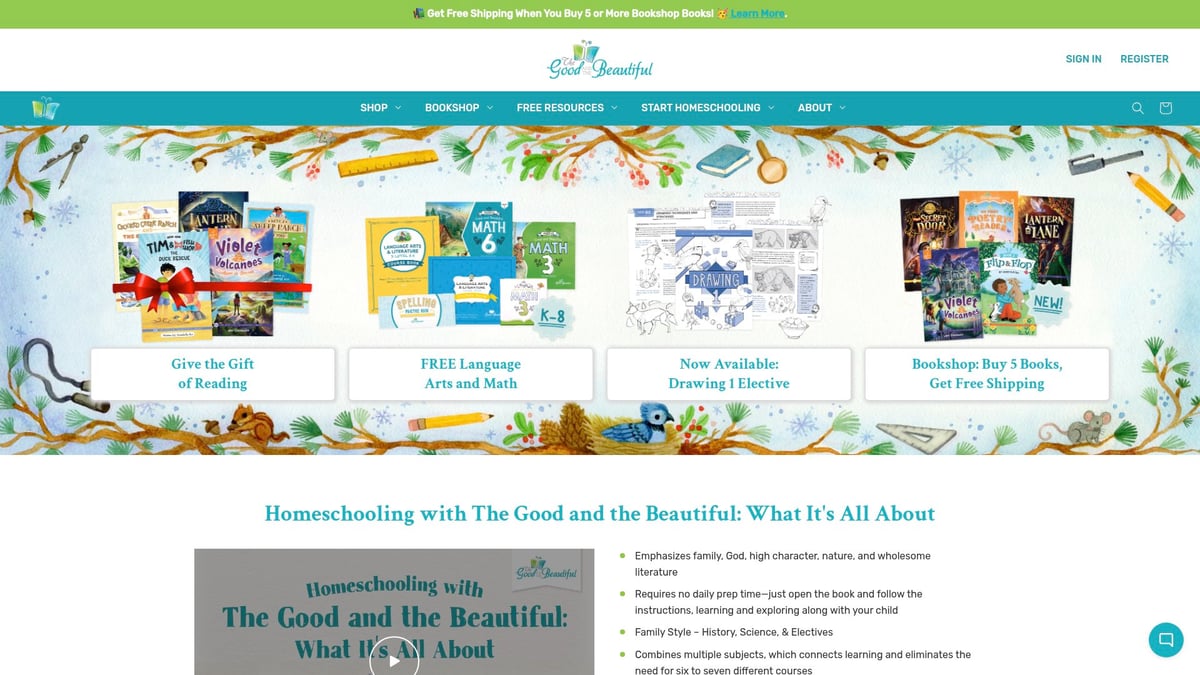
The Good and the Beautiful is a faith-based curriculum with a gentle, literature-rich approach. Many resources are free, while full curriculum kits range from $50 to $150.
Key Features:
- Open-and-go format
- Language arts, math, science, and more
- Visually appealing materials
Pros:
- Low cost and high value
- Beautiful design
- Easy for parents to implement
Cons:
- Limited secular options
- Not all subjects or grade levels covered
Homeschool program reviews for The Good and the Beautiful often highlight its affordability and visual appeal, making it a favorite for Christian families.
Calvert Homeschool
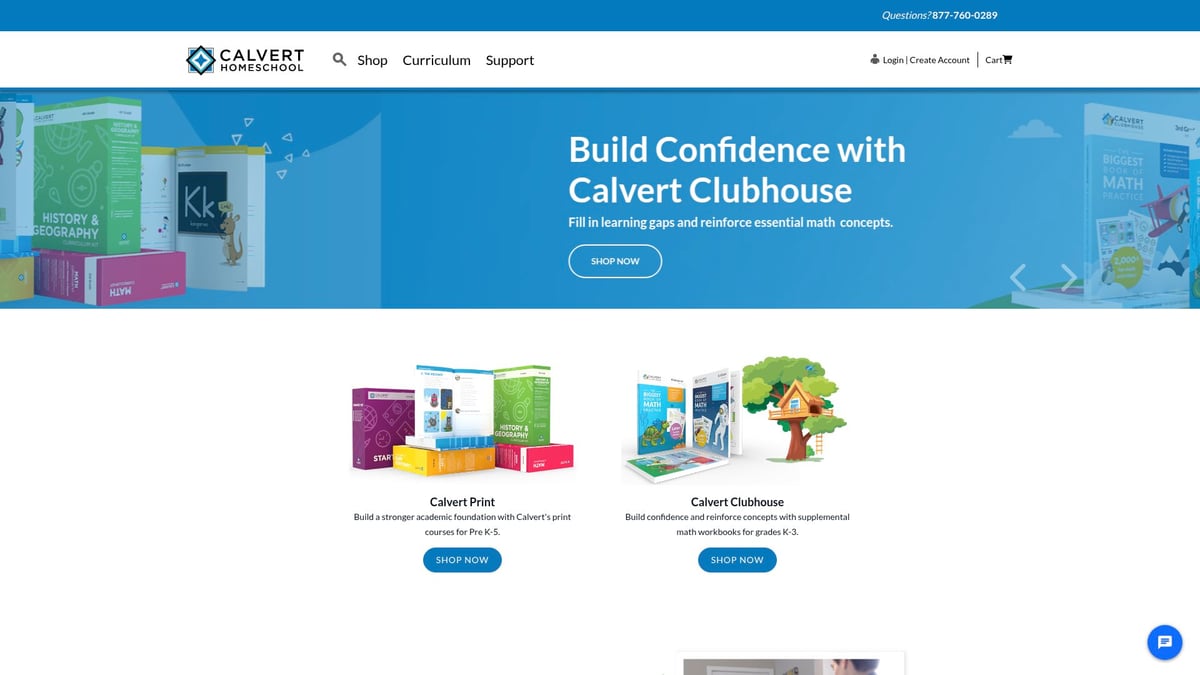
Calvert Homeschool offers an accredited K–12 curriculum available online or in print. Pricing starts at $39.95 per month per student, with family plans for multiple children.
Key Features:
- Accredited, with strong recordkeeping
- Placement tests for personalized learning
- Flexible format options
Pros:
- Customizable and structured
- Parent tools and support
- Accreditation for easy transcript submission
Cons:
- Higher monthly price point
- Less emphasis on hands-on learning
Calvert receives strong homeschool program reviews for its flexibility, accreditation, and parent-friendly tools, making it suitable for families prioritizing academic records and customization.
BookShark
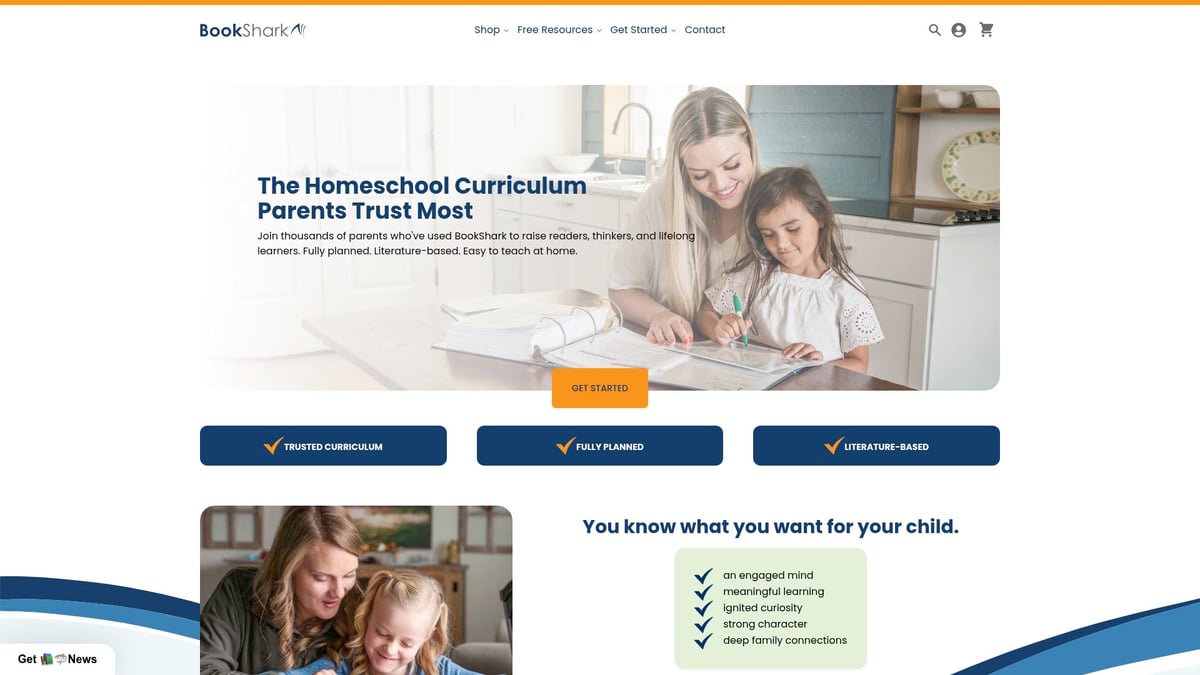
BookShark is a secular, literature-based curriculum for grades K–8. Curriculum packages range from $600 to $1,200 per year and emphasize reading aloud, hands-on activities, and open-and-go organization.
Key Features:
- Parent-led, reading-rich program
- Hands-on science and history projects
- Flexible pacing
Pros:
- Engaging and comprehensive
- Ideal for families who love books
- Adaptable to different learning styles
Cons:
- Parent-intensive
- Not designed for high school students
BookShark is often praised in homeschool program reviews for its engaging, literature-focused approach, supporting families who value shared reading and project-based learning.
How to Choose the Right Homeschool Program for Your Family
Choosing the right homeschool program can feel overwhelming with so many options available. To make the process manageable, break down your decision into clear steps that reflect your family’s unique needs. The following guide will help you navigate homeschool program reviews with confidence, ensuring you find a program that supports your goals and fits your lifestyle.
Assessing Your Family’s Educational Philosophy and Needs
Start by clarifying your family’s educational values. Do you prefer a secular, faith-based, Montessori, or Waldorf approach? Identifying these priorities ensures homeschool program reviews are relevant to your goals.
For example, families who value hands-on learning might gravitate toward Montessori or Waldorf-inspired curricula. Those seeking a tech-forward experience may look for programs with strong digital integration. Make a list of your must-haves to streamline the selection process and focus on programs that align with your philosophy.
Considering Your Child’s Learning Style and Grade Level
Every child learns differently, so matching a program’s format to your child’s style is crucial. Homeschool program reviews often highlight whether lessons are video-based, reading-intensive, project-driven, or interactive.
Visual learners may excel with programs that offer engaging graphics and multimedia content. Kinesthetic learners might benefit from hands-on projects or manipulatives. Always check if the program covers your child’s current grade and offers room for advancement or remediation, especially if you have multiple children at different levels.
Evaluating Support, Community, and Teacher Involvement
Support systems can make or break your homeschool experience. Look for programs that offer teacher assistance, peer forums, or parent coaching. Homeschool program reviews frequently note the value of active communities.
Some families thrive with live teacher support, while others prefer asynchronous help. Peer groups and parent forums foster connection and collaboration. For real-world insight, explore parent testimonials and success stories to gauge the quality of support and community in each program.
Balancing Budget, Flexibility, and Accreditation
Financial considerations are key when reading homeschool program reviews. Compare costs, payment plans, and scholarship availability. Evaluate if the program offers monthly subscriptions, one-time fees, or tiered pricing.
Flexibility is another factor to weigh, especially for families with changing schedules. Accreditation matters if your student may need official transcripts or plans to attend college. Make sure the program’s credentials align with your state’s requirements and your long-term academic goals.
Trial Periods, Samples, and Reviews
Before committing, take advantage of free samples and trial periods. Many homeschool program reviews recommend testing lessons to determine fit. Use available curriculum samples to see if the format engages your child and meets your standards.
Reading authentic parent feedback can reveal strengths and weaknesses that might not appear in official descriptions. Try a free Montessori curriculum sample to experience a program firsthand before making a final decision.
Trends Shaping Homeschooling in 2026
The landscape of homeschooling is evolving rapidly, with families seeking the most up-to-date guidance from homeschool program reviews. As we look at 2026, several trends are influencing the way parents choose and implement home education. These shifts impact curriculum design, learning environments, and the types of support families expect from modern homeschool program reviews.
Growth of Hybrid and Microschool Models
Hybrid models and microschools are reshaping the homeschool landscape. These approaches blend home-based study with shared in-person experiences, such as co-ops or local learning pods. According to Homeschooling growth surges to 5.4% in 2024-2025, more families are turning to flexible group settings to enhance their homeschool program reviews. This trend offers diverse social and academic opportunities, making learning more interactive and dynamic.
Advances in EdTech and Personalized Learning
Technology is now at the core of most homeschool program reviews. AI-driven curricula, adaptive assessments, and real-time progress tracking are helping parents tailor education to each child’s needs. Many programs integrate interactive apps and digital platforms, enabling students to learn at their own pace. Personalized learning ensures children remain engaged and can master concepts before moving forward.
Increased Accessibility and Globalization
Homeschooling is no longer limited by geography. In 2026, many homeschool program reviews highlight the importance of international shipping, multi-language support, and digital access for global learners. These features allow families abroad to access high-quality U.S.-based curricula, participate in virtual classes, and connect with a worldwide community. This accessibility broadens educational options for diverse populations.
Emphasis on Social-Emotional Learning and Life Skills
Modern homeschool program reviews increasingly note the value of social-emotional learning (SEL) and life skills. Programs now incorporate SEL components, group projects, and practical life lessons as standard features. This focus helps students develop resilience, empathy, and real-world problem-solving abilities. Parents appreciate curricula that foster not only academic growth but also emotional intelligence and adaptability.
Policy Changes and Homeschool Regulation Updates
Recent policy shifts are impacting how families approach homeschool program reviews. States are updating requirements for recordkeeping, testing, and accreditation. Staying informed about current regulations is essential, and resources like Indiana State Regulation of Private and Home Schools provide valuable compliance guidance. Families must assess how these changes affect their chosen programs and ensure they meet all necessary standards.
As you consider which homeschool program is the best fit for your family in 2026, remember that seeing real curriculum materials firsthand can make all the difference. Exploring free samples lets you experience the approach, flexibility, and quality before making a commitment. If you’re curious about how a Montessori-based curriculum might empower your child’s learning at home, I encourage you to take the next step and Download our Free Curriculum Sample Now. This is a great way to see for yourself how Multisori’s resources support authentic, engaging learning for young children.


