
Guide to Language Arts Curriculum: Insights for 2026
In an era where digital communication reshapes every aspect of our lives, mastering language arts is more vital than ever. The ability to think critically, communicate clearly, and adapt to new media defines success in 2026 and beyond.
This guide delivers a comprehensive look at the language arts curriculum, offering the latest research, trends, and actionable strategies. Whether you are a parent, teacher, or administrator, you will find practical tools to build a future-ready program.
Explore curriculum trends, essential components, detailed grade breakdowns, innovative teaching methods, technology integration, and evaluation strategies. Use this guide to elevate your language arts curriculum planning and prepare students for lifelong literacy.
The Evolving Landscape of Language Arts Curriculum in 2026
The landscape of language arts curriculum is transforming rapidly as we approach 2026. Schools, educators, and families are rethinking how to prepare students for an interconnected, digital-first world. This section explores the shifts reshaping language arts curriculum, from innovative teaching trends to evolving policies and rising expectations from parents and educators.
Key Trends Shaping Language Arts Education
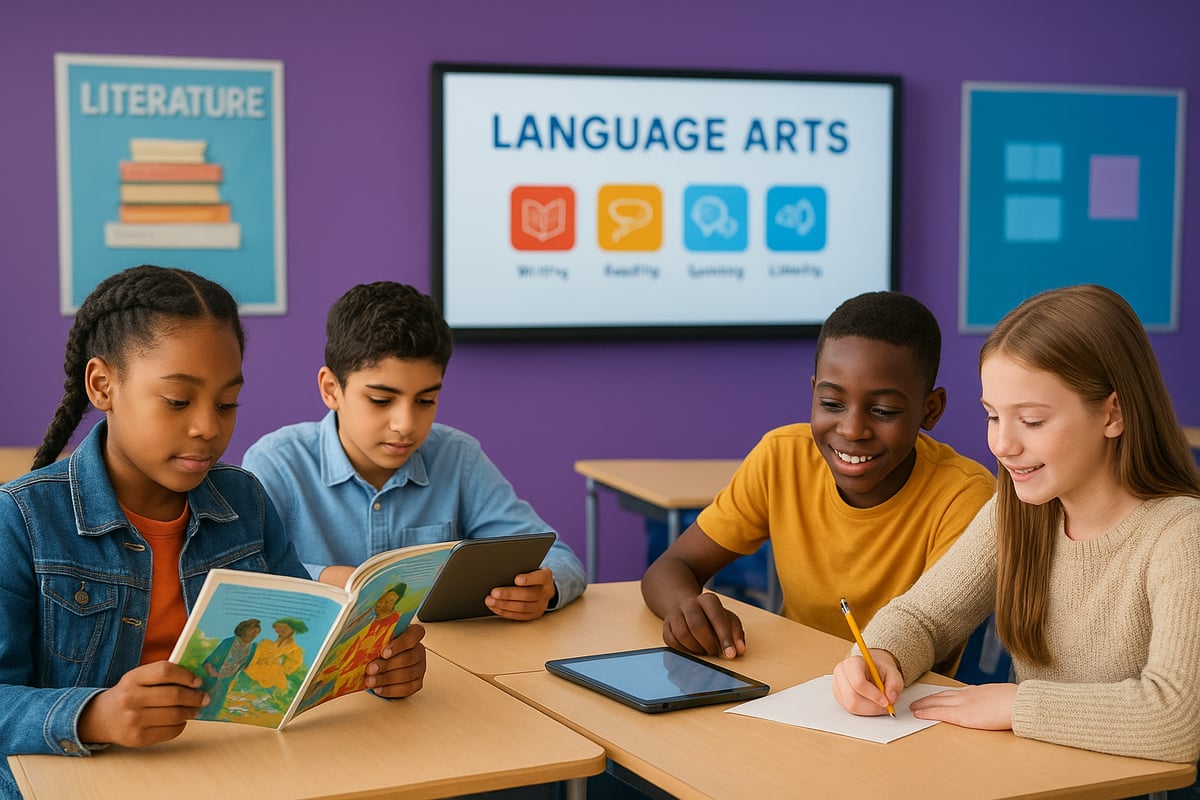
Several key trends are driving changes in language arts curriculum for 2026. Communication and critical thinking skills are now prioritized, with digital literacy woven into daily lessons. Students are engaging with a wider range of texts, including multicultural stories and global viewpoints. Social-emotional learning is also gaining ground, as literature and writing become tools for empathy and self-reflection.
Competency-based and mastery learning models are on the rise, allowing students to progress at their own pace. Personalized learning pathways use data and adaptive technology to meet each learner's needs. Interdisciplinary connections are flourishing, blending language arts curriculum with history, science, and the arts.
The diversity of resources is expanding. For example, Timberdoodle now offers more than 190 language arts resources, catering to different grades and learning styles. Educators are seeking materials that provide flexibility, engagement, and real-world relevance to keep students motivated and invested in their progress.
Influences of Policy and Standards
Policy updates and evolving standards are shaping the future of language arts curriculum. Common Core, state, and international standards are being revised to emphasize skills-based assessment over rote recall. In 2026, many states are adopting flexible standards that allow individualized pacing and deeper learning.
A major shift is underway in how proficiency is measured. Instead of traditional tests, schools are turning to performance-based assessments that capture students' abilities to analyze, communicate, and create. This movement is supported by new policies, such as California's upcoming adoption of English Language Arts/English Language Development instructional materials, which reflect updated frameworks for literacy and language growth. For more details, see California's 2026 ELA/ELD Instructional Materials Adoption.
These policy changes ensure the language arts curriculum stays relevant and prepares students for future academic and professional demands. They also encourage schools to invest in resources that align with both foundational skills and innovative approaches.
Parent and Educator Expectations
Today’s parents and educators expect a language arts curriculum that goes beyond basic reading and writing. They want programs that balance foundational skills with opportunities for creativity, critical thinking, and collaboration. The demand for resources that accommodate diverse learning styles, such as visual, auditory, and kinesthetic, continues to grow.
Multisensory and mastery-based programs are gaining popularity, as they offer differentiated instruction for all learners. Families are looking for curricula that provide individualized support, whether a child is advanced, struggling, or has special needs. Leading providers highlight the value of adaptive, engaging materials that foster both academic and personal growth.
Ultimately, the evolving language arts curriculum reflects a partnership between educators, parents, and students. By embracing new trends and responding to changing expectations, schools can create meaningful learning experiences that prepare every student for success in 2026 and beyond.
Core Components of a Comprehensive Language Arts Curriculum
A robust language arts curriculum is the foundation for developing strong communication, critical thinking, and literacy skills in students of all ages. In 2026, effective programs are designed to be comprehensive, adaptable, and engaging, ensuring every learner’s needs are met. Below, we break down the essential components that define a high-quality language arts curriculum.
Reading and Literature
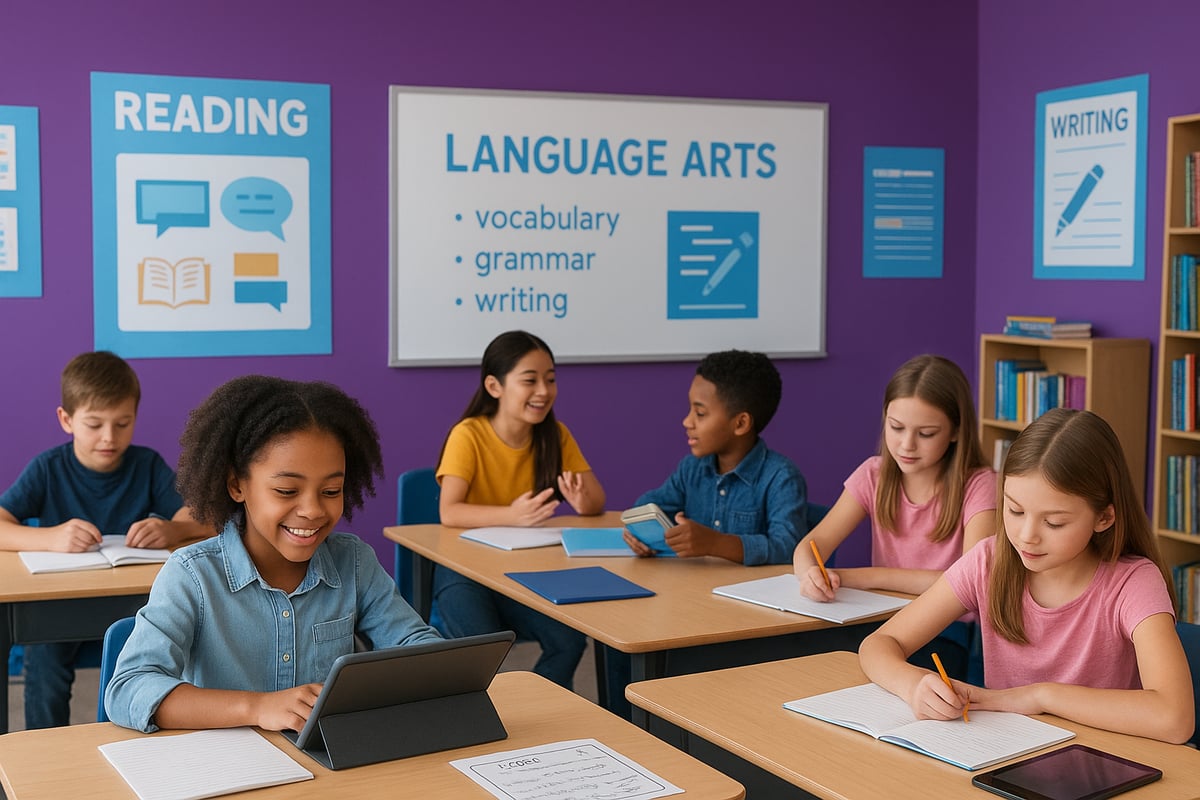
Exposure to a rich variety of genres, cultures, and perspectives is central to a strong language arts curriculum. Classic and contemporary literature help students develop empathy, cultural awareness, and critical thinking.
Curated book lists and reading challenges, such as the “U.S.A. Reading Challenge eBook,” engage students at every grade level. According to Timberdoodle, there are over 30 literature and reading products available for grades K-12, ensuring teachers can choose the right fit for their classroom.
Programs that embrace multicultural voices and global themes support inclusive learning. For example, the Montessori Language Arts Curriculum Overview details how literature selection fosters both academic growth and personal connection. Including reading circles, graphic novels, and diverse author studies further enriches the language arts curriculum.
Writing and Composition
A comprehensive language arts curriculum supports students as they move from early handwriting skills to advanced creative and analytical writing. Step-by-step writing development includes instruction in sentence formation, paragraph structure, and essay organization.
Real-world writing tasks, such as those found in “Weekly Real-World Writing Grades 1-6,” help learners see the relevance of writing in daily life. Emphasizing the writing process—drafting, peer review, and revision—encourages students to refine their ideas and express themselves clearly.
Collaborative writing projects and digital platforms for sharing work are increasingly common features in modern language arts curriculum design.
Grammar, Spelling, and Vocabulary
Systematic grammar instruction is a vital aspect of any language arts curriculum. Both story-based programs like “Grammar Galaxy” and traditional exercises, such as “Editor In Chief,” provide engaging ways to reinforce grammar skills.
Mastery-based spelling programs, including “Spelling You See,” focus on natural language acquisition rather than rote memorization. Vocabulary development is integrated through reading, games, and context-driven activities.
Teachers can select from a wide range of resources to tailor grammar and vocabulary instruction to their students’ needs, supporting both foundational skills and advanced language use.
Listening and Speaking Skills
Building strong oral communication is a key objective of the language arts curriculum. Students develop these skills through presentations, group discussions, and storytelling activities.
Debate, drama, and collaborative projects give learners opportunities to practice public speaking and active listening. These experiences foster confidence, teamwork, and the ability to articulate ideas clearly.
Incorporating multimedia presentations and peer feedback sessions further enhances the listening and speaking strand of the language arts curriculum.
Phonics and Early Literacy
Foundational phonics instruction is essential for early readers and is a cornerstone of any effective language arts curriculum. Programs like “Foundations Phonics” and interactive kits such as “Phonics Adventure Kit” use multisensory techniques to engage young learners.
Activities that combine visual, auditory, and kinesthetic learning help solidify early reading skills. Teachers often supplement phonics with songs, games, and digital resources to meet diverse learner needs.
A strong start in phonics supports lifelong literacy and ensures students are ready for more complex reading and writing tasks in later years.
Handwriting and Fine Motor Skills
Handwriting instruction remains important in the early and primary grades of the language arts curriculum. Programs like “A Reason for Handwriting” and the “Handwriting Pre-K / Kindergarten Teacher Guidebook” provide structured practice to develop fine motor skills.
Multisensory materials, including tracing, drawing, and tactile activities, make handwriting lessons engaging and effective. Fine motor development lays the groundwork for fluent writing and overall academic success.
Teachers are encouraged to balance handwriting instruction with digital literacy, ensuring students are prepared for both traditional and modern forms of communication.
Assessment and Progress Monitoring
Effective assessment strategies are integral to a successful language arts curriculum. Teachers use a mix of formative and summative assessments to monitor student progress and guide instruction.
Placement tests and adaptive tools help identify each student’s strengths and areas for growth. Leading curriculum providers recommend differentiated resources and frequent progress checks to ensure every learner stays on track.
A sample table of assessment tools:
| Assessment Type | Purpose | Example Resource |
|---|---|---|
| Formative | Ongoing feedback | Weekly quizzes |
| Summative | Mastery check | End-of-unit tests |
| Placement | Level selection | Placement tests (Timberdoodle) |
Using a variety of assessment methods ensures the language arts curriculum remains responsive and effective for all students.
Grade-by-Grade Breakdown: Language Arts Curriculum from Early Years to High School
In 2026, a thoughtfully designed language arts curriculum is essential for guiding students from their earliest experiences with language through to high school graduation. Each stage of development demands targeted strategies, engaging materials, and a focus on both foundational and advanced skills. Let us explore how a language arts curriculum adapts to the unique needs of learners at every grade level.

Early Childhood and Primary Grades (Pre-K to Grade 2)
The foundation of a successful language arts curriculum begins in the earliest years. For Pre-K and kindergarten, emphasis is placed on phonics, early literacy, and building oral language skills. Handwriting and fine motor activities are integrated daily, supporting letter formation and print awareness.
Play-based and multisensory techniques, such as songs, tactile materials, and storytelling, keep young learners engaged. Programs like the Montessori Toddler Language Arts Program offer age-appropriate strategies, including hands-on language activities, that foster curiosity and confidence.
As students progress to first and second grade, the language arts curriculum introduces more structured reading, foundational grammar, and guided writing. Frequent read-alouds, interactive phonics kits, and early writing journals help children develop fluency and comprehension. Early assessment tools support teachers in monitoring growth, ensuring each child receives the support needed to thrive.
Elementary Grades (Grades 3-5)
In the elementary years, the language arts curriculum expands to include a broader range of literature, grammar, and spelling. Students participate in book clubs, reading challenges, and creative writing projects that nurture their love of reading and self-expression.
Instruction becomes more explicit, guiding learners through the writing process, from brainstorming to revision. Real-world writing tasks, such as letters, stories, and reports, help students apply their skills in authentic contexts. Spelling and vocabulary instruction are woven into daily lessons, using both traditional and story-based approaches.
Teachers differentiate instruction to meet diverse needs, incorporating visual, auditory, and kinesthetic activities. Regular formative assessments ensure that no student falls behind and that advanced learners stay challenged within the language arts curriculum.
Middle School (Grades 6-8)
Middle school marks a shift toward analytical reading and structured writing. The language arts curriculum now emphasizes critical thinking, advanced grammar, and text-based analysis. Students engage with a range of literary genres, from classic novels to contemporary non-fiction, exploring themes, character development, and author’s craft.
Writing instruction focuses on argumentative essays, research projects, and creative pieces. Interdisciplinary projects connect language arts to history and science, reinforcing the relevance of strong communication skills. Peer review and group discussion foster collaboration while helping students refine their ideas.
Adaptive resources and mastery-based programs support students with varying needs, ensuring that everyone can build confidence in their language arts curriculum journey.
High School (Grades 9-12)
At the high school level, the language arts curriculum prepares students for college, careers, and informed citizenship. Literary analysis becomes more sophisticated, with students examining complex texts, evaluating arguments, and synthesizing information from multiple sources.
Research writing, persuasive essays, and formal presentations are central components. Students also develop digital literacy, learning to evaluate sources and create effective multimedia content. Preparation for standardized testing and college entrance exams is integrated, but the focus remains on transferable skills.
Elective options, such as creative writing or journalism, allow students to pursue individual interests within the language arts curriculum, supporting lifelong engagement with reading and writing.
Differentiation for Diverse Learners
A modern language arts curriculum recognizes the range of abilities and learning styles in every classroom. Teachers implement strategies for advanced learners, struggling students, and those with special needs, ensuring that instruction is accessible and meaningful.
Supplemental resources, such as graphic organizers, leveled readers, and mastery-based programs, provide targeted support. Small group instruction, peer tutoring, and technology integration further personalize the learning experience.
Assessment data guides instructional decisions, helping teachers adapt the language arts curriculum to maximize growth for every student.
Transition Points and Placement
Smooth transitions between grade levels are crucial for student success. Placement tests and diagnostic assessments help determine readiness and identify gaps, ensuring students enter each new stage of the language arts curriculum with confidence.
Educators use transition resources to bridge learning from one grade to the next. Guidance on curriculum selection and flexible pacing supports families and teachers in making informed choices.
By maintaining a responsive approach and leveraging data, schools create a language arts curriculum that evolves with each learner, preparing them for the challenges and opportunities ahead.
Innovative Approaches and Teaching Methods in Language Arts
Educators in 2026 are embracing innovative strategies to make the language arts curriculum more engaging, inclusive, and effective. These methods address diverse learning needs and prepare students for real-world communication challenges.
Multisensory and Mastery-Based Learning
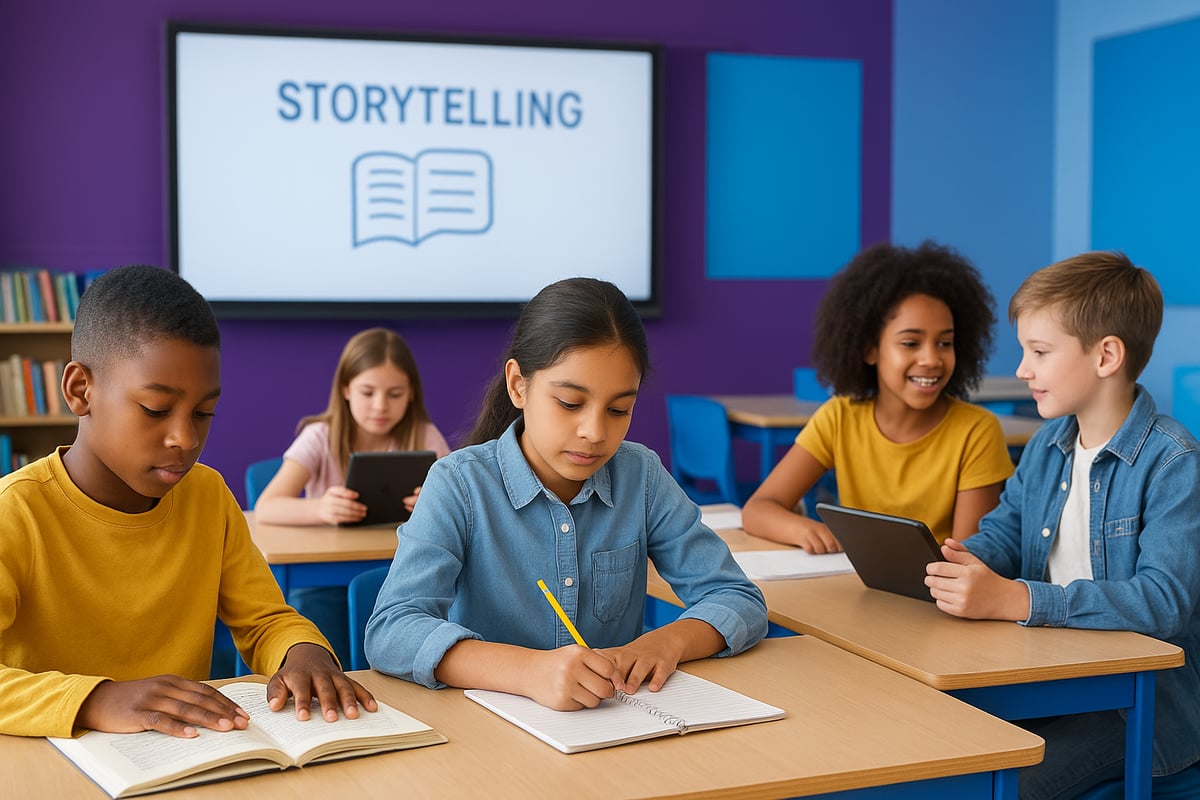
A modern language arts curriculum often integrates multisensory techniques to reach all learners. Visual, auditory, and kinesthetic activities help students absorb and retain concepts more effectively. Programs designed for multisensory engagement use color-coded texts, hands-on manipulatives, and audio resources.
Mastery-based learning ensures students progress at their own pace. This approach adapts to individual strengths, focusing on skill mastery rather than seat time. The language arts curriculum benefits from these flexible pathways, allowing for differentiated instruction and targeted support.
Teachers can use the following strategies:
- Incorporate tactile letter tracing and movement games.
- Pair written texts with audio recordings.
- Use visual aids like story maps and graphic organizers.
These methods help solidify foundational skills for all students.
Project-Based and Real-World Applications
A language arts curriculum that connects learning to real-world contexts fosters deeper understanding. Project-based learning encourages students to explore topics through research, presentations, and collaborative writing projects. Real-world tasks, such as writing letters, blogs, or reports, make language arts relevant and practical.
Innovative programs are now incorporating technology and media analysis. For example, educators are exploring Integrating AI Literacy into ELA Curriculum to teach students about digital communication and responsible media use.
Key strategies include:
- Hosting classroom debates on current events.
- Assigning multimedia storytelling projects.
- Encouraging peer feedback on creative writing.
These experiences prepare students for the demands of modern communication.
Story-Based and Adventure Learning
Narrative-driven learning is at the heart of many language arts curriculum innovations. Story-based programs use engaging plots and characters to teach grammar, vocabulary, and writing. This approach captivates even reluctant readers or writers.
Adventure learning adds elements of gamification, where students complete missions, solve mysteries, or follow characters through a series of challenges. These interactive experiences foster curiosity and motivation.
Benefits of story-based learning:
- Enhances comprehension through context.
- Promotes critical thinking and problem-solving.
- Makes grammar and writing instruction memorable.
Teachers can integrate these methods by using story journals or interactive reading games.
Culturally Responsive and Inclusive Curriculum
A robust language arts curriculum must reflect the diversity of today’s learners. Culturally responsive teaching involves selecting texts from multiple cultures, identities, and perspectives. This approach broadens students’ worldviews and builds empathy.
Inclusive curriculum design ensures accessibility for all students, including those with special needs. Strategies may include providing texts at varied reading levels, offering audio versions, and using visual supports.
Key practices:
- Curate book lists with global voices.
- Facilitate discussions on cultural themes.
- Adapt assignments for different learning profiles.
These efforts help all students see themselves represented and valued.
Social-Emotional Learning (SEL) in Language Arts
Integrating social-emotional learning into the language arts curriculum supports holistic development. Literature and reflective writing offer natural opportunities to explore emotions, relationships, and ethical dilemmas.
SEL can be embedded through:
- Literature circles focused on character analysis.
- Journaling prompts about personal experiences.
- Group discussions on themes like resilience and kindness.
By connecting literacy skills with emotional intelligence, students become more self-aware and empathetic communicators. This approach also fosters a safe, supportive classroom environment.
Parent and Community Involvement
Family and community engagement is a cornerstone of a dynamic language arts curriculum. Inviting parents to participate in reading challenges or book clubs strengthens literacy habits at home.
Schools can offer take-home kits or organize community storytelling events. These activities create meaningful connections between classroom learning and everyday life.
Benefits include:
- Increased student motivation.
- Shared responsibility for literacy growth.
- Stronger school-home partnerships.
Encouraging active involvement ensures language arts skills are reinforced beyond the classroom.
Integrating Technology and Digital Resources in Language Arts
The rapid evolution of technology is transforming every aspect of the language arts curriculum. Educators and parents are embracing digital tools to enhance student engagement, personalize instruction, and prepare learners for a connected world. As classrooms move beyond traditional boundaries, integrating technology is essential for delivering a future-ready language arts curriculum.
Blended and Online Learning Models
Blended learning combines face-to-face instruction with digital platforms, enabling flexible and accessible language arts curriculum delivery. Online resources, such as eBooks and interactive grammar tools, are now standard across many programs. Recent advances, like the McGraw Hill's Emerge! Curriculum Launch, illustrate how core language arts curriculum is evolving to leverage the science of literacy through technology. These models support differentiated pacing and allow students to revisit lessons as needed, increasing mastery and confidence.
Adaptive and Personalized Learning Tools
Adaptive technology is revolutionizing the language arts curriculum by responding to each student's needs in real time. Platforms use data and algorithms to tailor reading assignments, writing prompts, and grammar exercises. Placement tests and mastery-based modules ensure learners progress at an individualized pace. This approach helps address learning gaps and keeps advanced students challenged, making the language arts curriculum more inclusive and effective.
Digital Literacy and Media Analysis
In 2026, digital literacy is a core part of the language arts curriculum. Students analyze digital texts, evaluate online sources, and learn to create content responsibly. Lessons now include media analysis, helping learners distinguish fact from opinion and identify bias in digital communication. By embedding these skills, the language arts curriculum prepares students to navigate and contribute to a digital society with critical thinking and ethical awareness.
Gamification and Interactive Learning
Gamified elements are making the language arts curriculum more engaging and dynamic. Educational games, interactive apps, and digital storytelling platforms foster motivation and reinforce grammar, vocabulary, and reading comprehension. Popular resources like online phonics kits and reading games offer instant feedback and adapt to student performance. These interactive experiences transform traditional lessons into memorable, student-centered activities.
Accessibility and Universal Design
Modern language arts curriculum resources are designed with accessibility in mind, ensuring all learners can participate fully. Features like text-to-speech, closed captioning, and adjustable font sizes support students with diverse needs. Universal design principles guide the development of materials that cater to multiple learning styles and abilities. By prioritizing accessibility, the language arts curriculum promotes equity and success for every student.
Evaluating and Selecting the Best Language Arts Curriculum for 2026
Selecting the right language arts curriculum in 2026 requires a careful, informed approach. With so many resources available, educators and parents need to weigh several factors to ensure students receive a robust, future-ready education.
Criteria for Curriculum Evaluation
Start by assessing how well a language arts curriculum aligns with current educational standards and learning objectives. Look for programs that are flexible enough to support various teaching styles and learner needs. Comprehensive coverage is key, ensuring students build skills in reading, writing, grammar, and communication.
Consider the movement toward skills-based assessment and mastery learning. Many educators now prefer curricula that enable individualized pacing and adaptive instruction. Reviewing updated standards, like those in Washington State's ELA Standards Review, can help ensure your chosen materials meet policy requirements and future expectations.
Comparing Top Curriculum Providers
When comparing language arts curriculum providers, focus on features that set them apart. Leading companies such as Timberdoodle and Master Books offer extensive grade-level bundles, multisensory approaches, and options for both secular and faith-based education. Current data shows more than 190 language arts resources are available, supporting every learning style and grade.
Providers emphasizing holistic and flexible approaches stand out. For example, the Complete Montessori Homeschool Curriculum Guide illustrates how language arts fits into a broader educational vision, integrating reading, writing, and cultural literacy within a cohesive framework.
Placement Tests, Budget, and Support
Accurate placement is essential for student success. Many language arts curriculum providers include diagnostic tools or placement tests to help determine the best starting point for each learner. This ensures students are neither overwhelmed nor under-challenged, supporting mastery at every level.
Budget and resource considerations also play a significant role. Look for bundle pricing, free samples, and supplemental materials to maximize value. Additionally, professional development opportunities, such as teacher guides and community forums, can provide ongoing support for educators and parents navigating new materials.
Conclusion
Evaluating a language arts curriculum for 2026 means balancing standards alignment, comprehensive skill development, and adaptability. By comparing features, leveraging placement tools, and seeking robust support, you can confidently select resources that empower every learner to thrive.
Future Directions: Preparing Students for Literacy Success Beyond 2026
As we look past 2026, the language arts curriculum must evolve to equip students with lifelong literacy and adaptable communication skills. In a world defined by rapid change, students need more than foundational reading and writing—they require the ability to analyze, collaborate, and thrive in digital and global contexts.
Lifelong Literacy and Communication Skills
Preparing students for the future means focusing on skills that extend beyond classroom achievement. The language arts curriculum should foster critical thinking, creativity, and adaptability. Strong communication skills, both written and verbal, are essential for success in college, career, and civic life.
Students benefit from learning how to collaborate effectively and express themselves in various formats. Digital literacy, including safe and responsible online communication, is equally crucial.
Anticipated Curriculum Innovations
Looking ahead, expect the language arts curriculum to integrate advanced technologies such as AI-driven personalized learning and virtual reality experiences. These innovations will make lessons more interactive and tailored to individual needs.
Interdisciplinary and project-based learning will gain prominence, connecting language arts with science, history, and social studies. These approaches encourage students to think critically and apply skills in real-world scenarios.
Policy and Research Impacts
Emerging research will continue to shape the language arts curriculum, emphasizing evidence-based strategies that improve literacy outcomes. Updates to national and international standards are likely, with a focus on flexibility and competency.
Policymakers and educators must stay informed about best practices and ongoing studies. Regular review of curriculum effectiveness ensures students receive the most relevant and impactful instruction.
Action Steps for Educators and Parents
To keep pace with changes, educators and parents should regularly review and adapt their language arts curriculum choices. Exploring high-quality, adaptable resources is key. For those interested in innovative and proven approaches, consider accessing a Free Montessori Curriculum Sample to see how experiential learning can enhance literacy.
Engaging in professional development and joining educational communities helps everyone stay proactive and informed. Collaboration between home and school strengthens student outcomes.
Final Thoughts on the Role of Language Arts
The language arts curriculum of the future will shape not only academic achievement but also lifelong success. By investing in robust, adaptable resources and staying attuned to emerging trends, educators and parents can ensure every student is prepared for the challenges and opportunities ahead.
A commitment to continuous improvement and forward-thinking practices will keep language arts learning relevant, meaningful, and empowering for generations to come.
As you reflect on the evolving landscape of language arts and the actionable strategies we've explored for 2026, the next step is to see how a thoughtful curriculum can truly come to life. If you’re eager to empower your child or students with a proven Montessori approach and want to experience Multisori’s comprehensive resources firsthand, I invite you to Download our Free Curriculum Sample Now. It’s a practical way to explore high quality materials and discover how authentic Montessori learning can shape your language arts journey—starting today.


