
Montessori Homeschool Guide: Your Path to Success in 2025
Curious about why so many families are choosing the montessori homeschool path in 2025? The surge in interest is no coincidence. Parents worldwide are seeking an approach that fosters independence, encourages curiosity, and inspires lifelong learning.
This guide is designed to empower you with confidence and clarity. You will find a step-by-step roadmap for launching and sustaining your own Montessori homeschool.
Explore foundational Montessori principles, effective curriculum planning, environmental setup, daily routines, socialization strategies, assessment methods, and essential resources. Unlock the benefits of Montessori’s unique approach, and discover practical guidance to make your homeschooling journey a success.
Understanding the Montessori Philosophy
Montessori homeschool is transforming how families approach education, blending proven philosophy with personalized learning. To fully embrace this method, it’s essential to understand its roots and guiding principles. Maria Montessori’s vision remains as relevant as ever, offering a foundation for nurturing independence and lifelong curiosity.
Origins and Core Principles
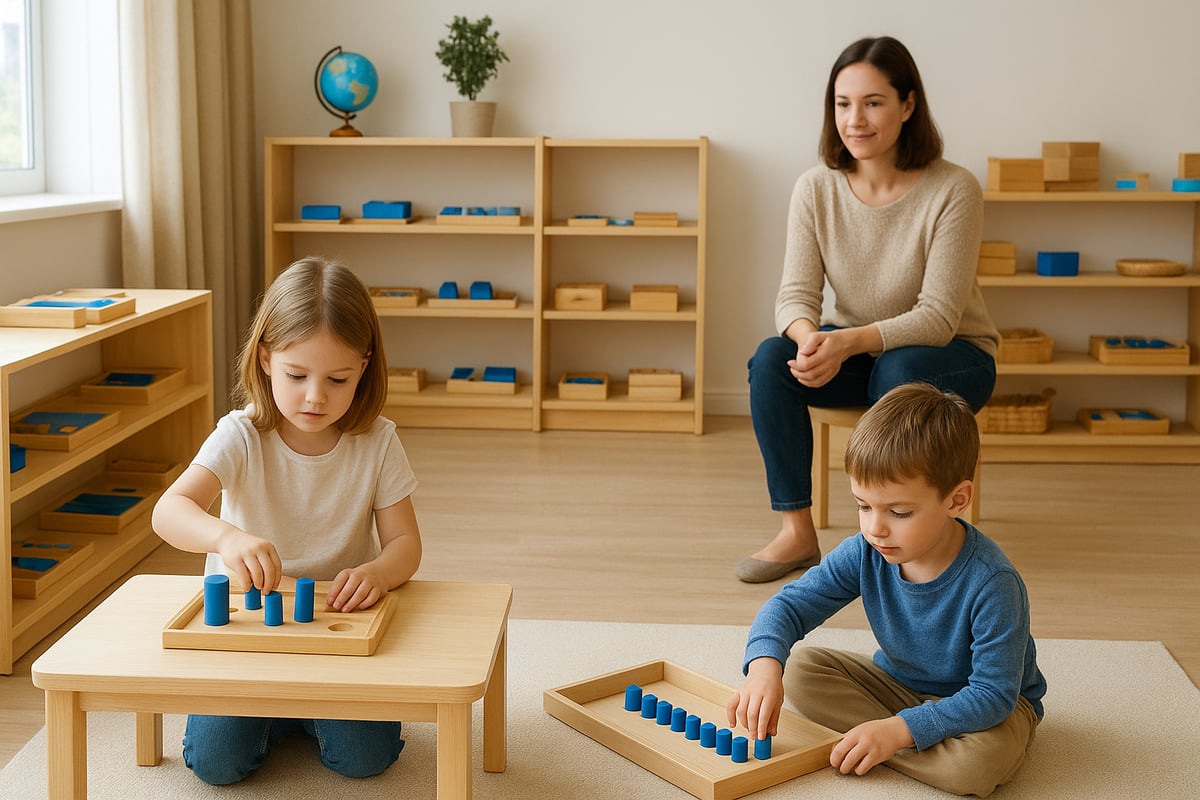
Maria Montessori, Italy’s first female physician, developed her educational philosophy in the early 1900s. She observed that children learn best when they direct their own learning within a thoughtfully prepared environment. This approach, now central to the montessori homeschool movement, is rooted in respect for each child’s individuality and innate drive to explore.
The core tenets of montessori homeschool include child-led learning, where students choose activities based on their interests and developmental stage. The prepared environment is carefully organized to promote independence, order, and beauty. Materials are hands-on and sensorial, inviting children to engage deeply with concepts rather than passively receive information.
Montessori identified sensitive periods—windows when children are especially receptive to learning certain skills. In a montessori homeschool, parents observe and respond to these periods, supporting growth at the right pace. This contrasts with traditional homeschooling or public schooling, which often follow rigid curricula and teacher-led instruction.
Here’s a comparison of educational models:
| Feature | Montessori Homeschool | Traditional Homeschool | Public School |
|---|---|---|---|
| Learning Style | Child-led, hands-on | Parent/teacher-directed | Teacher-directed |
| Environment | Prepared, accessible | Varies | Standardized |
| Pace | Individualized | Varies | Fixed |
| Assessment | Observation-based | Testing, grading | Testing, grading |
| Focus | Whole child, independence | Academic, varies | Academic |
Case studies show that montessori homeschool students often develop strong self-motivation and excel academically. According to 2023 research, these children outperform peers in executive functioning skills, such as planning and adapting to new tasks.
To learn more about the origins and application of this method, visit What is Montessori Homeschooling.
Benefits of Montessori Homeschooling in 2025
Montessori homeschool offers families a flexible and future-ready approach. It fosters independence, creativity, and problem-solving—qualities essential for life beyond the classroom. The method adapts easily to diverse learning needs, making it ideal for neurodiverse children or those who need a personalized pace.
Families appreciate the adaptability of montessori homeschool, especially when balancing work, travel, or unique schedules. It prepares children for tomorrow’s world by developing critical thinking, collaboration, and self-management skills.
Recent data highlights the rising popularity of this approach. Homeschooling rates grew by 15% from 2020 to 2024, with montessori homeschool cited as a top reason for the shift (NHERI 2024). This surge reflects growing recognition that a child-centered, hands-on education delivers lasting results.
In summary, montessori homeschool equips children for academic success and lifelong learning. Its emphasis on respect, independence, and real-world skills positions families to thrive in 2025 and beyond.
Planning Your Montessori Homeschool Journey
Embarking on your montessori homeschool journey begins with thoughtful preparation. By assessing your family's readiness and understanding your child's unique needs, you lay a strong foundation for learning at home. Careful curriculum planning and access to the right resources will empower you to create an environment where your child thrives.
Assessing Readiness and Setting Goals
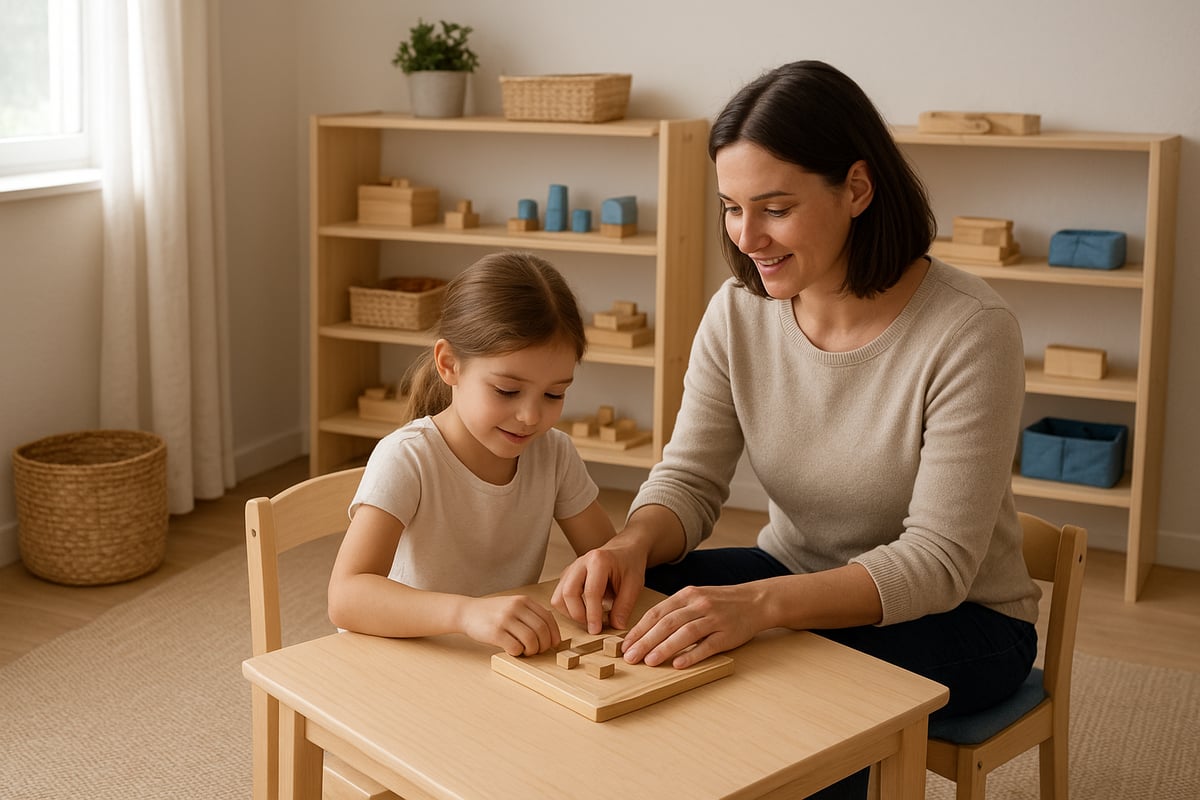
Before launching your montessori homeschool, take time to evaluate your child's developmental stage and learning preferences. Every child is unique, so consider how they interact with their environment, their favorite activities, and their natural rhythms. This helps you create a plan tailored to their needs.
Start by identifying both short- and long-term educational goals. Ask yourself what skills and values you hope to nurture. Are you aiming for greater independence, curiosity, or mastery in certain subjects? Setting clear goals provides direction and helps measure progress in your montessori homeschool.
Legal requirements vary by region. Research your state's homeschooling laws, including registration, record-keeping, and assessment mandates. Create a checklist to ensure compliance:
- Review local homeschooling regulations
- Prepare required documentation
- Understand standardized testing or reporting guidelines
Equally important is assessing your family's readiness for a montessori homeschool. Consider time commitments, available space, and your own willingness to embrace the Montessori philosophy. Adopting a growth-oriented mindset will help you adapt and grow alongside your child.
Selecting or Designing a Montessori Curriculum
A successful montessori homeschool relies on a curriculum that honors your child's interests and developmental pace. Authentic Montessori education includes practical life, language, mathematics, sensorial, and cultural subjects. Balance is key, ensuring academic content and real-world skills develop side by side.
When choosing or designing your curriculum, look for flexibility. Can you adjust activities based on your child's curiosity? Are there opportunities for hands-on exploration? Many families blend structured Montessori lessons with open-ended projects and community experiences.
Popular Montessori homeschool curriculum options include ready-made programs, DIY plans, and digital resources. To understand what constitutes a comprehensive curriculum, refer to the Montessori Homeschool Curriculum Guide for a detailed breakdown of essential components. Supplement with books, nature walks, and local classes to enrich your montessori homeschool experience.
Create a simple table to compare curriculum features:
| Curriculum Type | Flexibility | Hands-on Materials | Parental Support |
|---|---|---|---|
| Pre-packaged | Moderate | Included | Varies |
| DIY | High | Self-sourced | Limited |
| Digital/Online | High | Virtual/Printable | Community forums |
Remember, your montessori homeschool curriculum should adapt as your child grows, keeping learning joyful and relevant.
How Multisori Supports Montessori Homeschoolers
Multisori is dedicated to making montessori homeschool accessible and effective for families with toddlers and primary-aged children. Their comprehensive curriculum covers all core Montessori areas, ensuring your child receives a well-rounded education at home.
Parents benefit from consulting services, certified Montessori furniture, and practical guidance tailored to their unique situations. Multisori's materials are thoughtfully designed to foster independence, creativity, and problem-solving—hallmarks of a successful montessori homeschool.
Real parent testimonials highlight the positive impact Multisori has on family learning journeys. Many praise the curriculum's clarity, engaging materials, and responsive support. Five-star ratings reflect the trust parents place in Multisori to guide their montessori homeschool path.
Whether you are just starting or refining your home environment, Multisori empowers you to create an authentic, nurturing space. With their resources, your montessori homeschool can flourish, supporting your child's growth and love of learning.
Creating a Prepared Montessori Home Environment
A thoughtfully prepared home environment is the foundation of every successful montessori homeschool. By crafting intentional spaces, you enable your child to explore, learn, and grow independently. Let us guide you through the essential steps to transform your home into an inspiring montessori homeschool setting.
Setting Up Learning Spaces
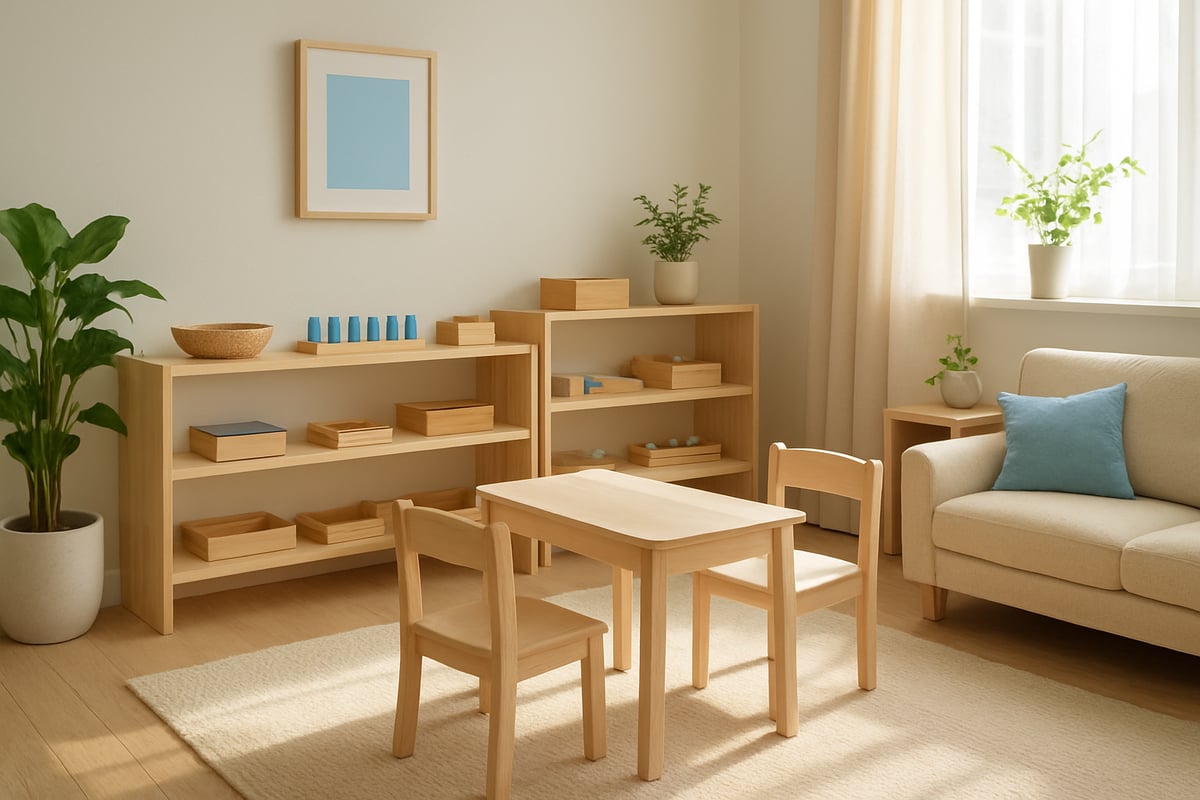
Creating effective learning spaces is at the core of the montessori homeschool approach. Start by embracing the principles of order, accessibility, and beauty. Every item should have its place, and materials should be within easy reach for your child to encourage independence.
Design each room with self-direction in mind. For example:
- In the kitchen, set up a low shelf with child-sized utensils and a step stool for meal prep.
- In the living area, use open shelving for books and sensorial materials, ensuring your child can choose and return items independently.
- Outdoors, provide gardening tools and nature exploration kits at your child’s level.
Safety is essential, especially for toddlers and young children. Anchor shelves, use non-toxic materials, and keep dangerous items out of reach. When setting up your montessori homeschool, consider natural light, calm colors, and inviting textures to make the space welcoming.
For more inspiration and practical ideas on designing your own prepared environment, explore the Setting Up a Montessori Home collection, which features real-life setups and curated resources.
Sourcing and Organizing Materials
Selecting quality materials is key for a thriving montessori homeschool. You can choose from DIY options, store-bought sets, or digital resources, depending on your budget and needs. Prioritize versatile items that support hands-on learning and can be used across developmental stages.
To keep your montessori homeschool engaging, rotate materials regularly. Store some items out of sight and swap them in every few weeks. This strategy keeps curiosity alive and prevents overwhelm.
Budgeting is important. According to a 2024 survey, families spend an average of $300 to $800 per year on montessori homeschool materials. Start with the essentials and expand gradually. Here is a starter kit checklist to help you prioritize:
- Practical life tools (child-sized broom, utensils)
- Sensorial materials (color tablets, sound cylinders)
- Math manipulatives (beads, number rods)
- Language materials (sandpaper letters, movable alphabet)
- Cultural items (maps, globes, art supplies)
A simple table can help track your montessori homeschool investments:
| Category | Example Items | Estimated Cost ($) |
|---|---|---|
| Practical Life | Broom, utensils | 60 |
| Sensorial | Color tablets, blocks | 120 |
| Math | Beads, rods | 150 |
| Language | Letters, books | 110 |
| Cultural | Maps, art supplies | 80 |
By organizing your materials thoughtfully, you create a dynamic and inviting montessori homeschool environment that adapts as your child grows.
Building Effective Montessori Routines and Schedules
Establishing effective routines is the foundation of a successful montessori homeschool. Consistent schedules help children feel secure and support their natural desire for order. Well-structured days also allow for the flexibility and freedom that define authentic Montessori learning.

Structuring the Montessori Day
A thoughtfully designed montessori homeschool day balances freedom with guidance. Begin with a morning work cycle, typically lasting two to three hours, where children choose activities from prepared shelves. This uninterrupted time encourages focus and deep engagement.
Include practical life activities like preparing snacks, watering plants, and tidying up. These tasks support independence and self-confidence. Integrate outdoor time daily, whether for nature walks, gardening, or physical play. Fresh air and movement are essential parts of the montessori homeschool approach.
Adapting routines for siblings or multiple ages can be seamless. Older children can model tasks for younger ones, while everyone benefits from shared group activities. Flexibility is key, allowing space for interest-led exploration alongside structured lessons.
Many families find inspiration in the routines shared by others. For an inside look at daily schedules and practical tips from real parents, explore Montessori Homeschooling in Real Life.
Below is a sample schedule comparing routines by age:
| Time | Ages 3-6 | Ages 6-9 |
|---|---|---|
| 8:30–9:00 | Morning routine | Morning routine |
| 9:00–11:00 | Work cycle | Work cycle |
| 11:00–11:30 | Snack & practical life | Snack & project work |
| 11:30–12:30 | Outdoor play | Outdoor exploration |
| 12:30–1:30 | Lunch & rest | Lunch & reading |
| 1:30–3:00 | Quiet activities | Research & creative |
| 3:00–4:00 | Family time | Family time |
A predictable yet flexible montessori homeschool routine supports both academic growth and life skills. Adjust timings as needed to match your family's rhythm.
Encouraging Independence and Self-Discipline
Fostering independence is at the heart of montessori homeschool success. Start by offering choices within clear boundaries. When children select their activities, they develop motivation and a sense of ownership over their learning.
Observation is a powerful tool. Watch without interfering, stepping in only when necessary. This approach helps children build self-discipline and problem-solving skills. Establish simple, consistent ground rules so everyone knows what is expected.
Try these strategies to nurture independence:
- Prepare the environment so materials are accessible and inviting.
- Model respectful communication and patience.
- Involve children in daily routines, such as meal prep or organizing their workspace.
- Celebrate small achievements to build confidence.
Success stories from montessori homeschool families show that, with patience and consistency, children thrive academically and personally. They become self-starters who are eager to take on new challenges.
Remember, the journey of montessori homeschool is unique for every family. Embrace the process, adjust as needed, and trust in your child’s capacity for growth.
Socialization, Community, and Support Networks
Building a strong support system is essential for every montessori homeschool journey. Socialization, community, and ongoing encouragement empower both children and parents to thrive. While montessori homeschool offers flexibility and customization, it is crucial to connect with others who share similar values and educational philosophies.
Connecting with Other Montessori Families
Socialization is a vital part of any montessori homeschool experience. Children benefit from regular interaction with peers, building communication skills, empathy, and collaboration. Parents often wonder how to ensure their children have meaningful social opportunities outside of traditional classrooms.
To foster community, many families seek out local Montessori-inspired co-ops, playgroups, or virtual communities. These groups often organize shared learning experiences, field trips, and group projects. Attending events or joining online forums helps families exchange ideas and find support.
Here are a few ways to connect:
- Join a local montessori homeschool co-op or playgroup.
- Participate in virtual Montessori communities for global interaction.
- Organize regular field trips, nature walks, or science days.
- Host rotating group lessons or art sessions at home.
- Attend workshops or family meetups.
One family in California started a weekly montessori homeschool gathering in their neighborhood park. Over time, it grew into a thriving micro-community, offering children diverse friendships and parents a valuable support network. According to Montessori Homeschooling Statistics 2023, the number of homeschooling groups has increased significantly, with Montessori families citing socialization as a top motivator for joining.
With intentional planning, montessori homeschool families can cultivate friendships, broaden their children’s experiences, and create a sense of belonging.
Parental Support and Professional Development
A successful montessori homeschool requires ongoing support for parents as well as children. Accessing professional development, training, and community resources helps parents build confidence and resilience. Many parents turn to online forums, workshops, and certified Montessori training programs for guidance and shared expertise.
Support networks are crucial for preventing burnout and maintaining enthusiasm. Simple self-care practices, such as setting boundaries and scheduling regular breaks, can make a significant difference. Parents report that connecting with others who understand the unique challenges of montessori homeschool helps them stay motivated and inspired.
Valuable support resources include:
- Online discussion forums for sharing challenges and solutions.
- Webinars and workshops on Montessori philosophy and practical techniques.
- Local and virtual support groups for parents.
- Access to curated curriculum resources and consulting.
The Montessori Homeschool Hub offers a comprehensive community, professional development, and practical tools tailored for the montessori homeschool environment. According to recent research, 72% of homeschooling parents report increased confidence after joining support networks.
By investing in personal growth and connecting with others, parents can model lifelong learning and create a nurturing environment for the entire montessori homeschool family.
Assessing Progress and Adapting Over Time
Evaluating growth in a montessori homeschool goes far beyond traditional testing. Parents serve as keen observers, using daily insights to guide learning and development. This approach ensures your child’s needs are addressed as they grow, supporting both academic and emotional progress.
Observation and Record-Keeping
Observation is at the heart of every successful montessori homeschool. Instead of relying on grades, parents watch how their child engages with lessons, materials, and routines. This ongoing attention allows you to notice subtle changes in interest, skill, or confidence.
To document progress, use a mix of tools:
- Portfolios: Collect work samples, photos, and projects over time.
- Journals: Record daily or weekly reflections on your child’s growth and interests.
- Checklists: Track skills, lessons, and milestones as they are introduced and mastered.
During the work cycle, observe without interrupting. Note patterns in how your child chooses tasks, solves problems, or interacts with siblings. Adjust lessons and materials as needed, ensuring the montessori homeschool environment remains challenging yet supportive.
Adapting curriculum based on observations is a hallmark of Montessori education. According to Montessori in the United States, this reflective approach helps children flourish in both academic and personal development, especially in a homeschool setting.
Navigating Challenges and Celebrating Successes
Every montessori homeschool journey encounters challenges. Motivation dips, sibling rivalry, and curriculum gaps are common. Facing these obstacles with patience and creativity is key.
Strategies for overcoming challenges include:
- Rotating materials to renew interest.
- Setting clear, consistent routines.
- Encouraging peer or family collaboration for social learning.
If you notice ongoing struggles, do not hesitate to seek professional advice from Montessori consultants or local support groups. Joining networks can provide reassurance and fresh ideas.
Celebrating achievements, large and small, builds a growth mindset. Mark milestones with special projects, family outings, or a simple acknowledgment of effort. According to the Montessori Foundation, 89 percent of montessori homeschool families report high satisfaction with their child’s progress in 2024.
Remember, flexibility and ongoing adaptation are your strongest tools. By staying observant and responsive, you will foster a joyful and effective montessori homeschool experience.
As you’ve seen, launching a successful Montessori homeschool in 2025 is all about combining expert guidance, thoughtfully chosen materials, and a supportive environment. If you’re ready to take the next step and see firsthand how a comprehensive curriculum can make your journey smoother, why not explore a real example for yourself? You deserve tools that are both practical and inspiring—resources that fit your child’s needs and your family’s goals. Start your Montessori adventure with confidence by accessing a carefully crafted sample that brings these principles to life. Download our Free Curriculum Sample Now


